
Stress-free diapering and potty training
From newborn skin microbiomes to absorbent polymers to potty readiness — the clinical clarity and hands-on guidance you need at every stage.
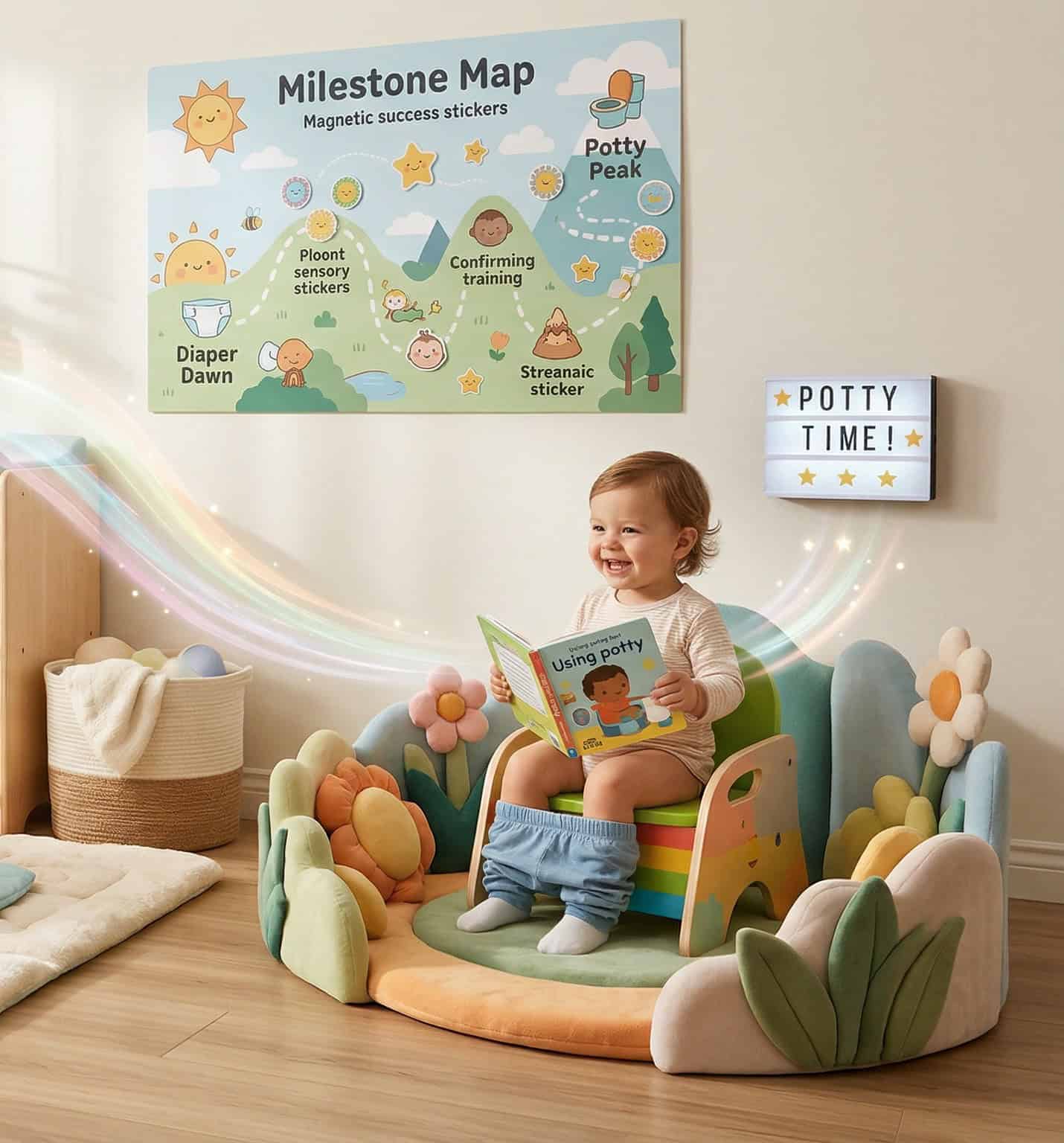
Your home base for the first three years
Within each article linked below, we evaluate the clinical data against published safety standards, verify manufacturer specs, and provide direct links so you can get the exact diapers, wipes, pails, or potty gear you need delivered to your door. Whether you’re preparing a nursery for your newborn or chasing an active two-year-old ready to ditch the diapers, we have you covered.
Who reviews this gear — and what to decide first
I’m Jonathan Wendeln, BSN, RN — a critical-care nurse, and I write and clinically review every guide in this category. Last updated August 2026. The recommendations lean on the same sources I trust at the bedside: the American Academy of Pediatrics for toilet-training readiness, the CPSC recall database for product safety checks, the CDC’s recreational-water guidance for swim diapers, and the American Academy of Dermatology’s advice on fragrance-free products for eczema-prone skin.
Before you buy anything here, settle three questions in order. First, absorbency: a standard daytime diaper typically maxes out at 4–6 hours of wear, while true overnight diapers are designed for 12-hour stretches — mixing the two up is the most common cause of 3 AM leaks. Second, skin sensitivity: if your baby has eczema or recurring rash, filter for fragrance-free and lotion-free options first and worry about price second. Third, timing: potty training runs on developmental readiness, not the calendar — most children show readiness signs between 18 and 30 months, and starting before those signs appear makes the process longer, not shorter. The guides below are organized so you can answer each of those questions with standards-based reviews rather than marketing copy.
The three most-searched topics in this category
- The overnight diapers we ranked through standards-based research — Pampers ZZZ Overnights top our rankings for their extended-wear absorbent core and dual leak barriers; fragrance-free, lotion-free Huggies Overnites are the value pick for eczema-prone skin.
- The snap-fit reusable swim diapers we reviewed against CDC recreational-water guidance — the Green Sprouts Eco Snap is our top pick: a triple-layer containment design with machine-washable snap closures.
- The 3-day potty training method, explained step by step — it builds the foundation over one focused weekend, but full reliability typically takes another 2–4 weeks, and it suits only toddlers already showing 3–4 readiness signs.
Changing needs as they grow
Your baby’s diapering needs evolve alongside their cognitive and physical development.

The newborn stage
Newborn skin is significantly thinner and more permeable than adult skin and is actively developing its microbiome. Your primary focus is keeping your baby comfortable while protecting their delicate skin barrier.
Expert tip: Over-wiping is a common mistake. Use diapers with an umbilical cord cutout and purely water-based wipes.
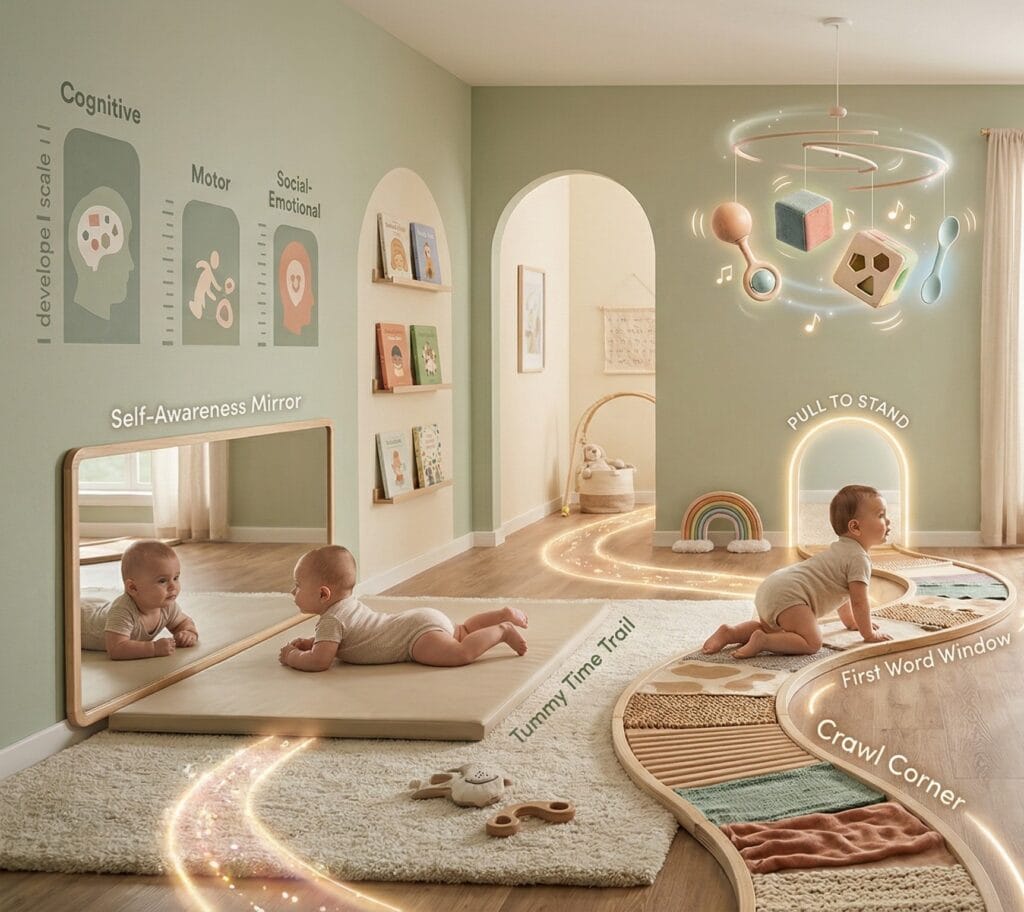
The infant stage
Once purees and soft foods enter the digestive tract, the pH, texture, and frequency of bowel movements change dramatically, increasing the risk of diaper rash.
Crawlers and walkers
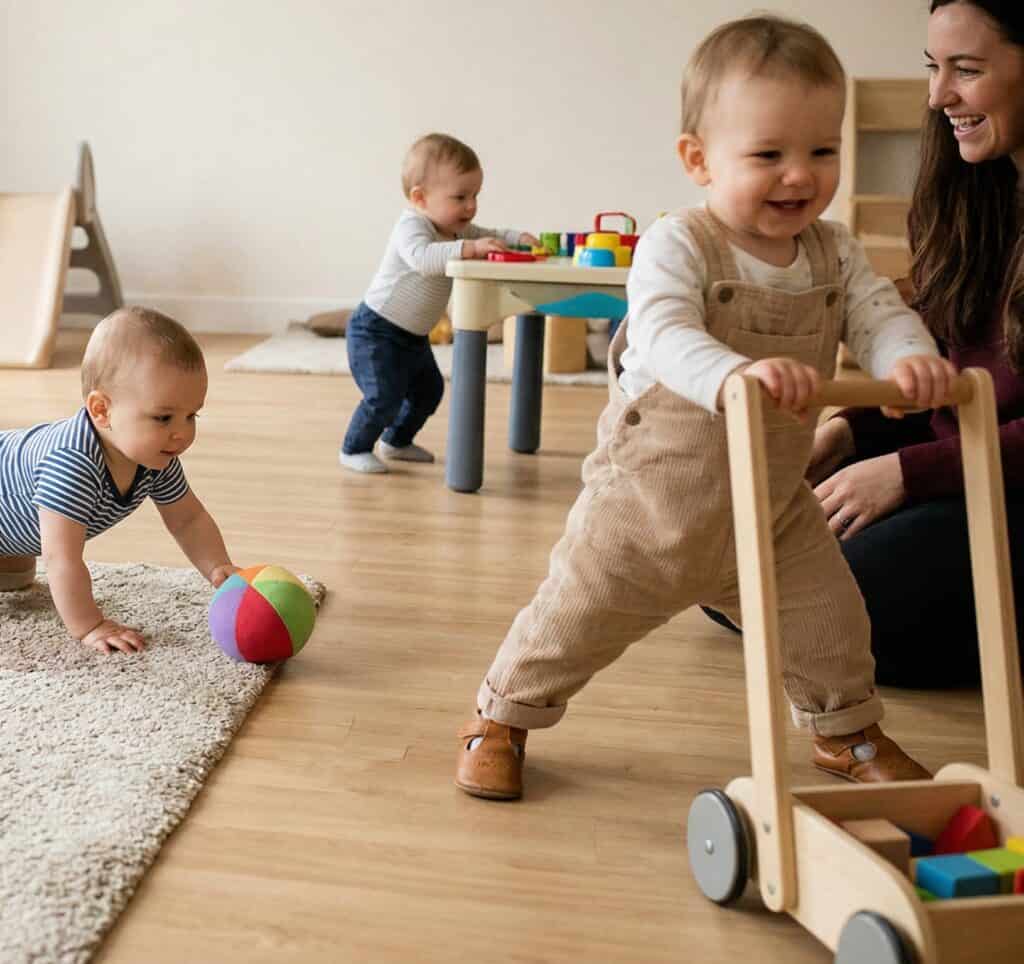
As your baby becomes mobile, diaper changes become a test of speed. Mechanical friction from walking and running, combined with trapped moisture, causes severe chafing.
Potty readiness
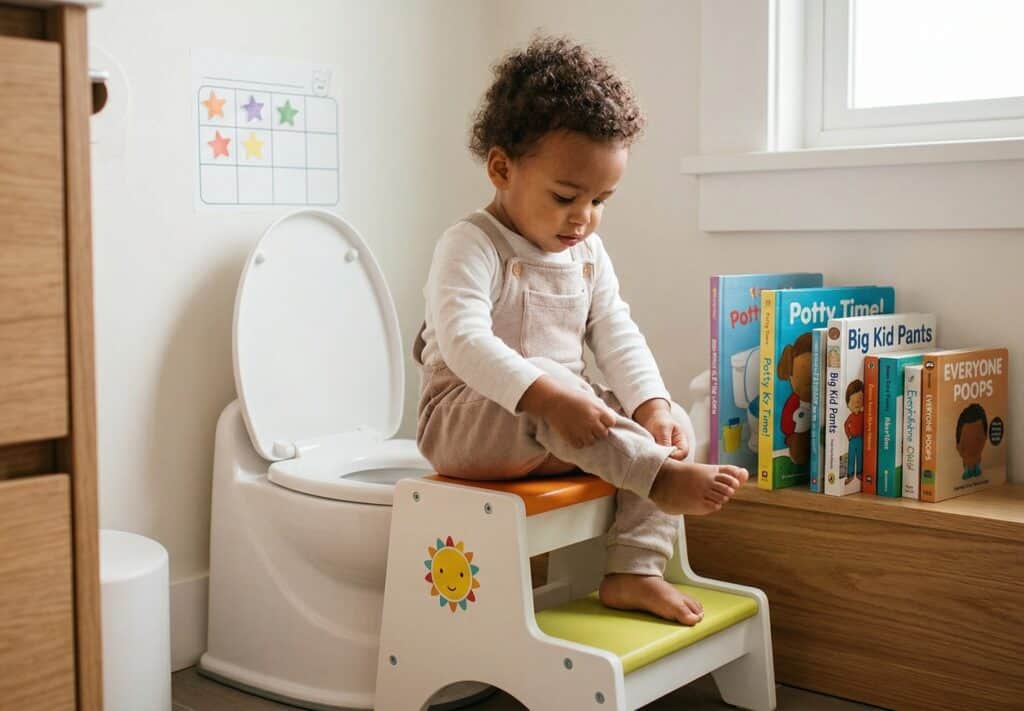
Potty training also depends on interoception — the ability to feel internal bodily sensations like a full bladder. Rushing this stage creates anxiety.
Deep-dive reviews and clinical breakdowns
Find the perfect gear backed by data, not marketing. 31 expert guides across every diapering category.
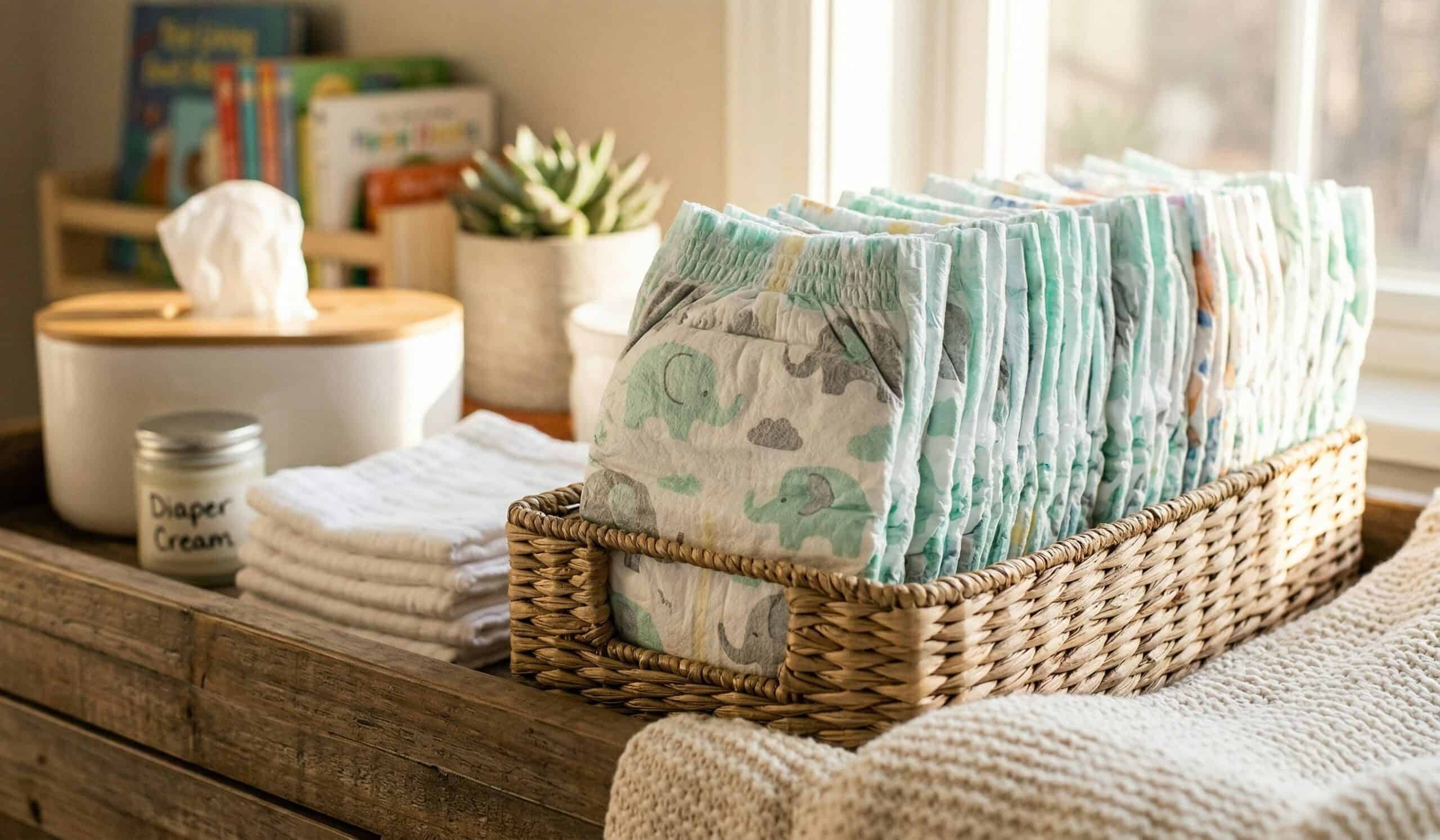
Disposable diapers
TCF vs. ECF bleaching, super absorbent polymers, and leak prevention technology compared.
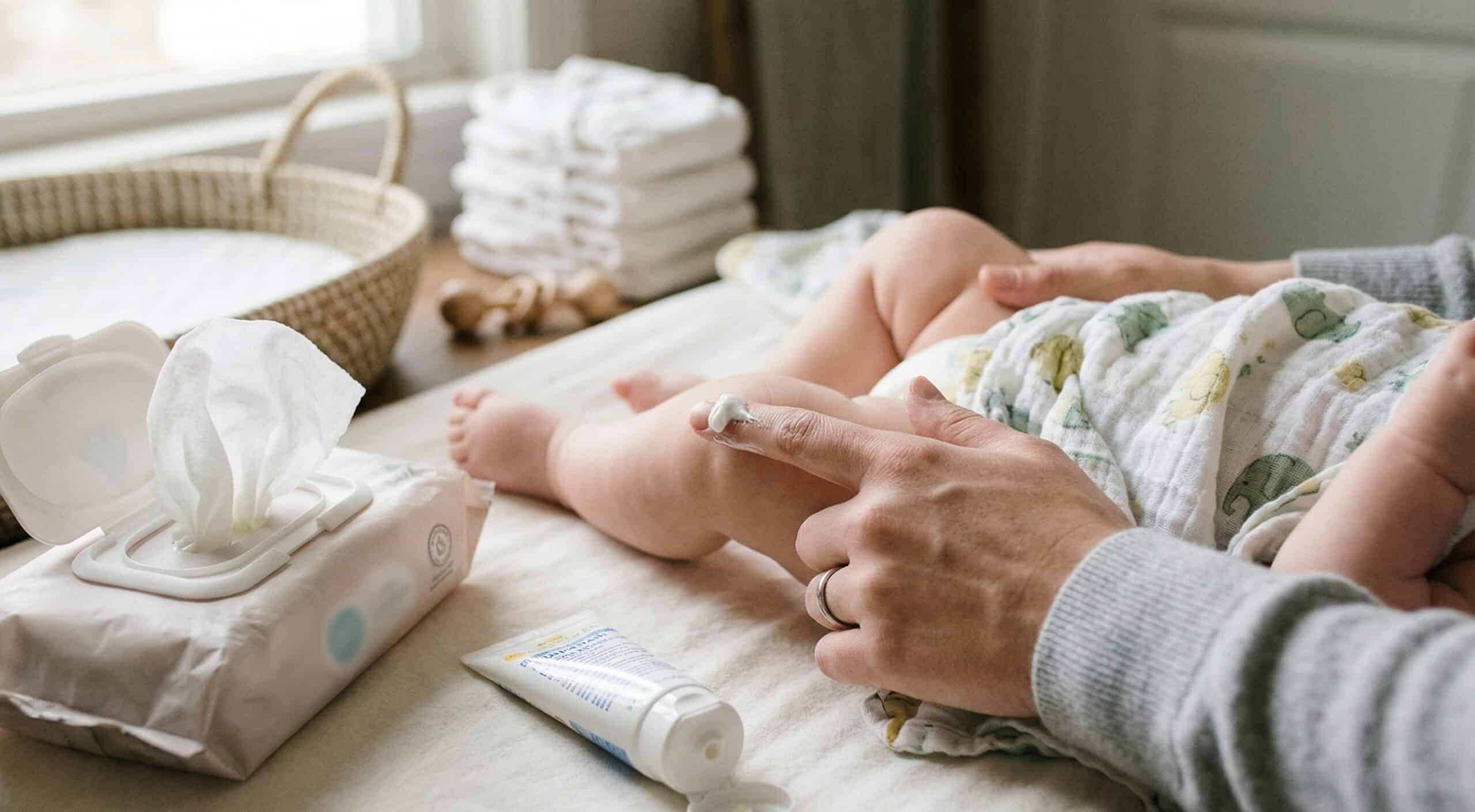
Wipes and Creams
Barrier defense, occlusives, and microbiome-safe wipe ingredients decoded.
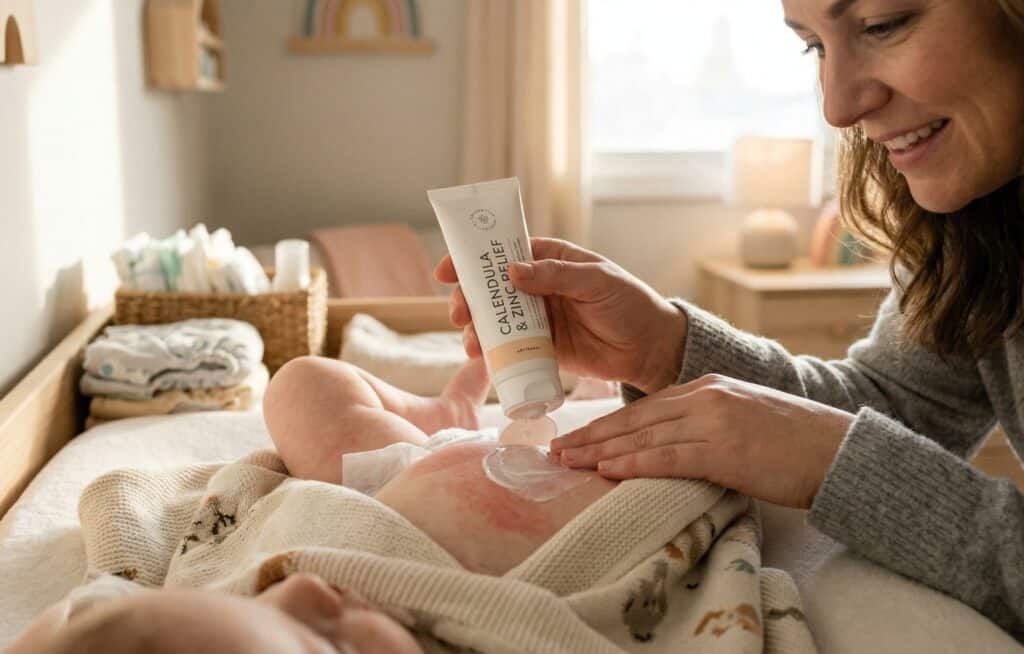
Diaper rash treatment
Zinc oxide formulations, antifungal options, and healing protocols for every severity level.
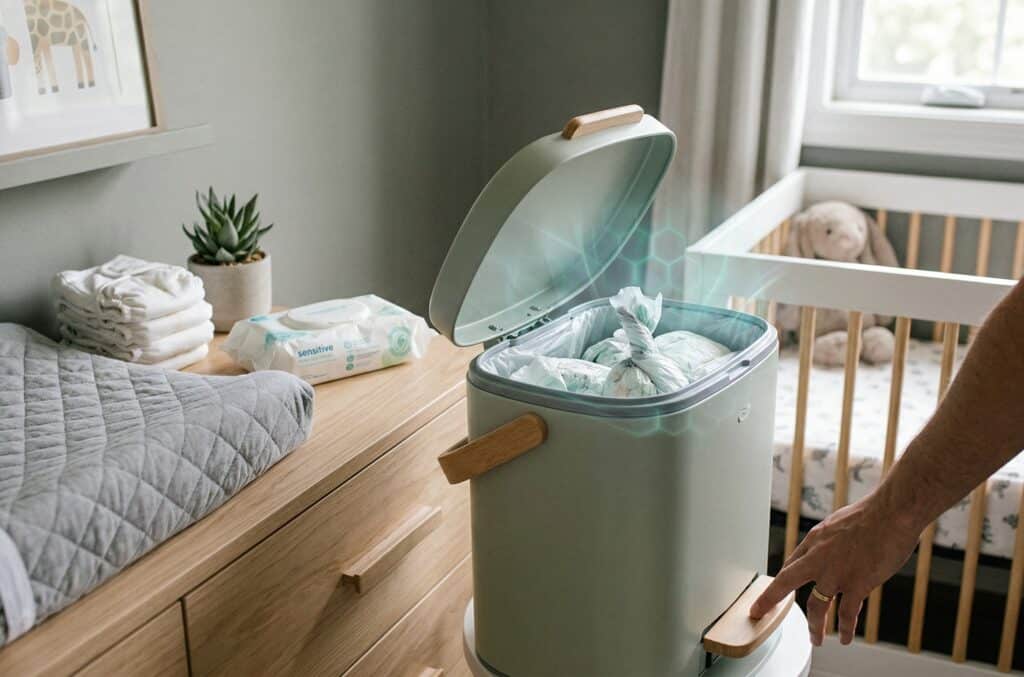
Diaper pails
Odor control systems, VOC emissions, and long-term bag cost analysis.
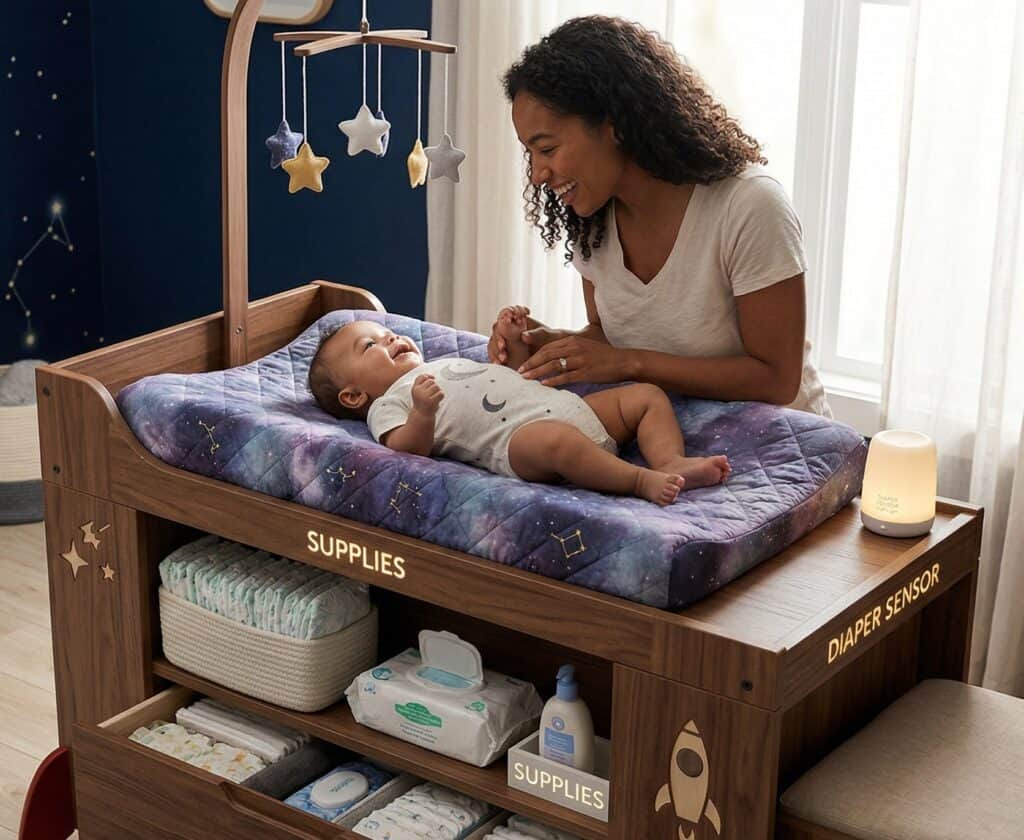
Changing tables and pads
Contoured pads, dresser-top changers, portable mats, and CPSC safety strap compliance.
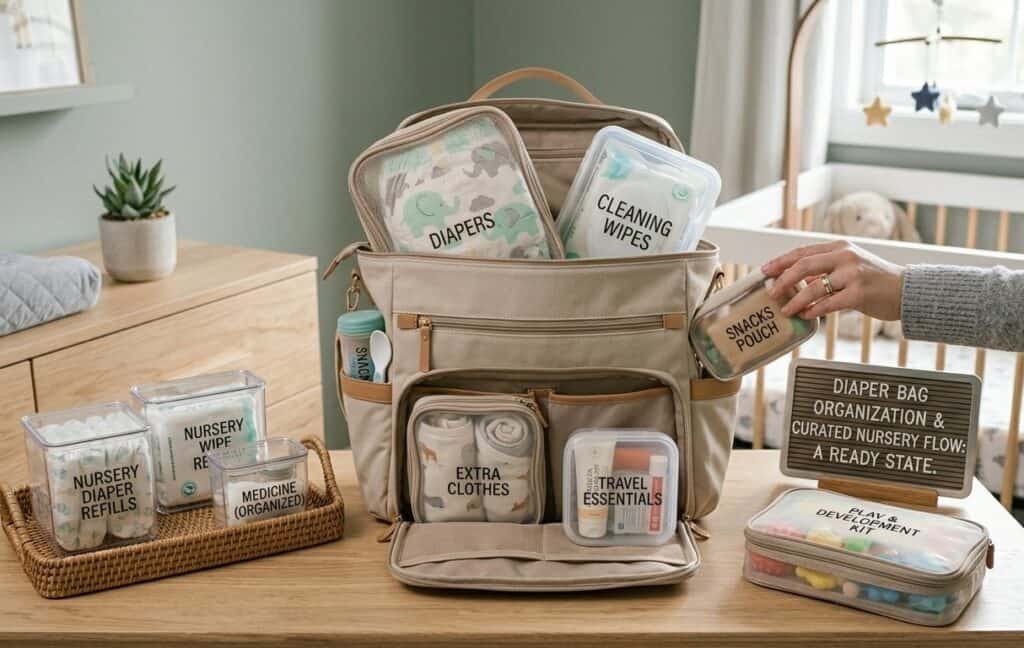
Diaper bags and organization
Backpack vs. tote, organizer inserts, stroller clips, and travel wet bags compared for real life.
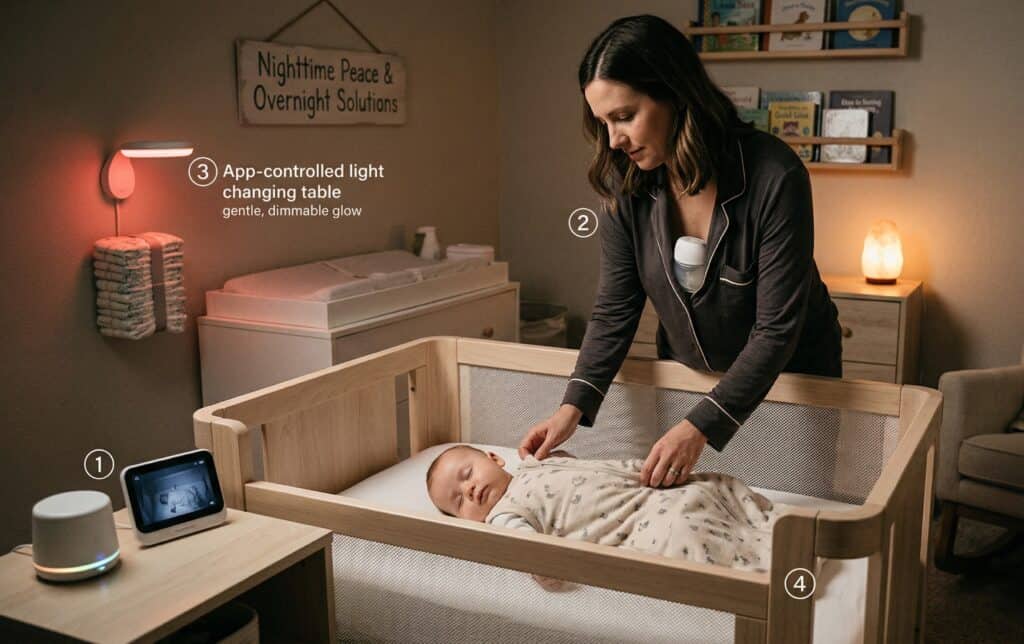
Nighttime and overnight solutions
Overnight diapers, booster pads, barrier creams, and waterproof crib protectors for leak-free nights.

Swim diapers
Reusable vs. disposable swim diapers, UV protection, pool rules, and containment design compared.

Potty training
Transition gear, neurological readiness cues, and evidence-based training methods compared.

Cloth diapering
Modern textile engineering, insert types, cover systems, and sustainable wash routines.
Prices are dynamic — click any link to see real-time availability and current pricing on Amazon.
Diapering and potty training FAQs
Does the 3-day potty training method really work in 3 days?
It establishes the foundation in 3 days — not perfection. By the end of Day 3 most toddlers understand the concept and are self-initiating some potty trips, and full reliability typically takes another 2–4 weeks of consistent practice. Our step-by-step 3-day method guide covers each day, including when to pause and try again later.
What are the signs my toddler is ready to potty train?
Pediatricians look for five: staying dry for 2+ hours, showing discomfort with a wet or soiled diaper, following simple two-step instructions, walking to and sitting on a potty independently, and expressing genuine interest in the toilet. You don’t need all five — three to four is enough to start, and most children get there between 18 and 30 months. Our clinical readiness signs guide shows how to check each one, and it’s worth talking to your pediatrician if your child is past 3.5 years without showing them.
What makes overnight diapers different from regular diapers?
Capacity and barriers. A standard daytime diaper typically maxes out at 4–6 hours, while true overnight diapers are designed for 12-hour wear, with more absorbent core material and dual leak barriers at the legs and back. Most pediatricians also recommend sizing up at night for extra absorbent material. See our overnight diaper review and the complete overnight leak prevention strategy for sizing, barriers, and bedding.
Are swim diapers reusable — and do they hold urine?
Reusable swim diapers exist, but no swim diaper — reusable or disposable — contains urine. They are designed to contain solids only, and the CDC recommends checking them about every hour regardless of type. Our reusable swim diaper review and the disposable vs. reusable comparison break down when each makes sense.
Are bamboo diapers worth the extra cost?
Only if you know what you’re buying: very few “bamboo” diapers sold in the US are made primarily from bamboo — most pair a bamboo-viscose liner with a wood pulp core. The premium buys ingredient transparency and third-party certifications more than a fundamentally different diaper. Our bamboo diapers review breaks down the true cost per diaper.
Not sure where to start?
Check out our stage-by-stage guide above, or jump straight into the product hub that fits your child’s age. Or browse our Quick Picks to see all our top picks in one place.
Start with your baby’s stageAll Diapering & Potty Guides
- Antifungal Cream for Babies: Yeast Rash Picks (RN-Reviewed)
- Bamboo Diapers: Worth the Premium Cost? An RN's Review
- Best 12-Hour Overnight Diapers to Prevent Leaks (RN)
- Best Changing Pads: Contoured Picks with Safety Straps (RN)
- Best Diaper Rash Prevention: Daily Barrier Creams (RN-Reviewed)
- Best Diaper Bag Backpack: Hands-Free Picks (RN-Reviewed)
- Best Hypoallergenic Diapers for Sensitive Skin (RN-Reviewed)
- Best Non-Toxic Baby Wipes: RN-Reviewed Picks 2026
- Best Overnight Diapers for Heavy Wetters (RN-Reviewed)
- Best Swim Diapers: Reusable Snap-Fit Picks (RN-Reviewed)
- Best Baby Wipe Warmers for Winter Diaper Changes (RN-Reviewed)
- Best Zinc Oxide Diaper Creams by Concentration (RN-Reviewed)
- Safe Infant Changing Stations: What CPSC Requires (RN Guide)
- Cloth Diaper Wash Routine: 3 Essential Steps (RN Guide)
- How to Prevent Diaper Leaks at Night: RN's Complete Strategy
- Types of Cloth Diapers: AIOs, Pockets & Covers (RN Guide)
- Disposable vs. Reusable Swim Diapers: Which Is Better? (RN)
- How to Clean a Diaper Pail and Eliminate Odors (RN Guide)
- Potty Training Readiness Signs: Is Your Toddler Ready? (RN)
- Cloth Diaper Inserts: 3 Best Overnight Picks (RN-Reviewed)
- Diaper Rash Guide: Types, Treatment & Prevention (RN-Reviewed)
- Will a Swim Diaper Hold Pee? Pool Rules & Requirements (RN)
- Steel vs. Plastic Diaper Pails: Odor Trapping Compared (RN)
- 3 Day Potty Training: Step-by-Step Method Guide (RN)
- Diaper Booster Pads: Top Picks to Stop Overnight Leaks (RN)
- Best Small Diaper Pails for Your Nursery (RN-Reviewed)
- Best Portable Changing Pad: 3 Travel Picks (RN-Reviewed)
- Top Potty Seats, Stools & Travel Potties for Toddlers (RN)
- Best Wet Bags for Daycare and Travel (RN-Reviewed)
- Water Wipes vs. Baby Wipes: What's the Difference? (RN)
- Diaper Bag Checklist: Exactly What to Pack (RN Guide)