
Infant sleep essentials for a peaceful nursery
We bridge the gap between clinical safe-sleep protocols and the reality of getting an exhausted baby to finally rest — evaluating every product against strict pediatric guidelines.
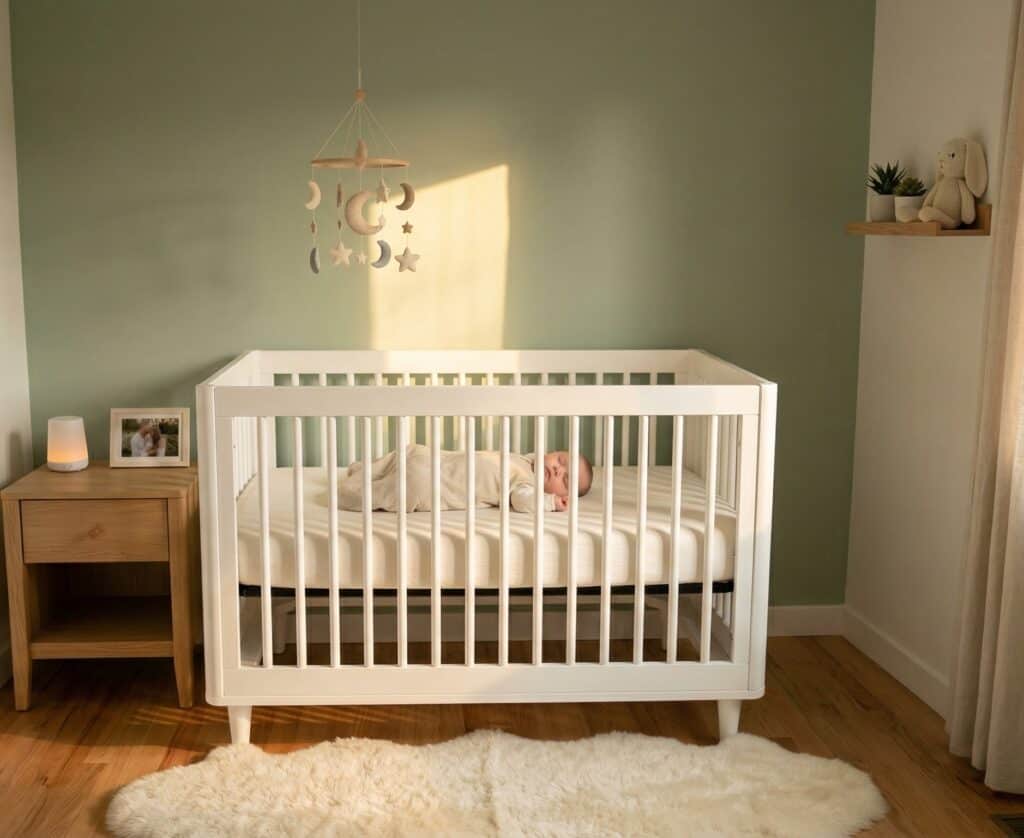
How we review sleep and nursery gear
I’m Jonathan Wendeln, a registered nurse with nearly a decade of acute-care experience, including cardiothoracic intensive care. Last updated August 2026. Every guide in this hub starts from the AAP safe-sleep basics — baby alone, on their back, on a firm flat surface in an empty sleep space — then evaluates each category against its governing standard: ASTM F1821 for toddler beds and crib-conversion rails, TOG ratings matched to measured room temperature for sleep sacks, and GREENGUARD Gold low-VOC certification for anything near a sleeping baby’s face.
Before buying anything, settle two questions: where the baby will sleep for the first six months (the AAP recommends room-sharing on a separate surface — usually a bassinet or crib in your room), and how warm that room runs overnight, because temperature drives every sleep sack and swaddle choice. If you’re outfitting an empty room, our complete nursery build for about $1,000 shows where the budget actually goes.
Where most parents should start
- The toddler beds and conversion rails we reviewed against the ASTM F1821 safety standard — the Delta Children Canton (GREENGUARD Gold, under $70) is our budget top pick for the crib-to-bed transition.
- The TOG-rated sleep sacks we reviewed by matching each TOG rating to overnight room temperature — the bamboo 1.5 TOG pick is the mid-weight option for the room temperatures most US homes actually run overnight.
- The nursery gliders we reviewed against GREENGUARD Gold emissions certification — the Storkcraft Premium Hoop carries the same GREENGUARD Gold emissions seal as the $1,099 top pick for under $200.
The nursery gear that actually matters
Brands use terms like “breathable” and “pediatrician-recommended” without rigorous testing. We strip away the marketing and focus on what genuinely helps your baby sleep safely.
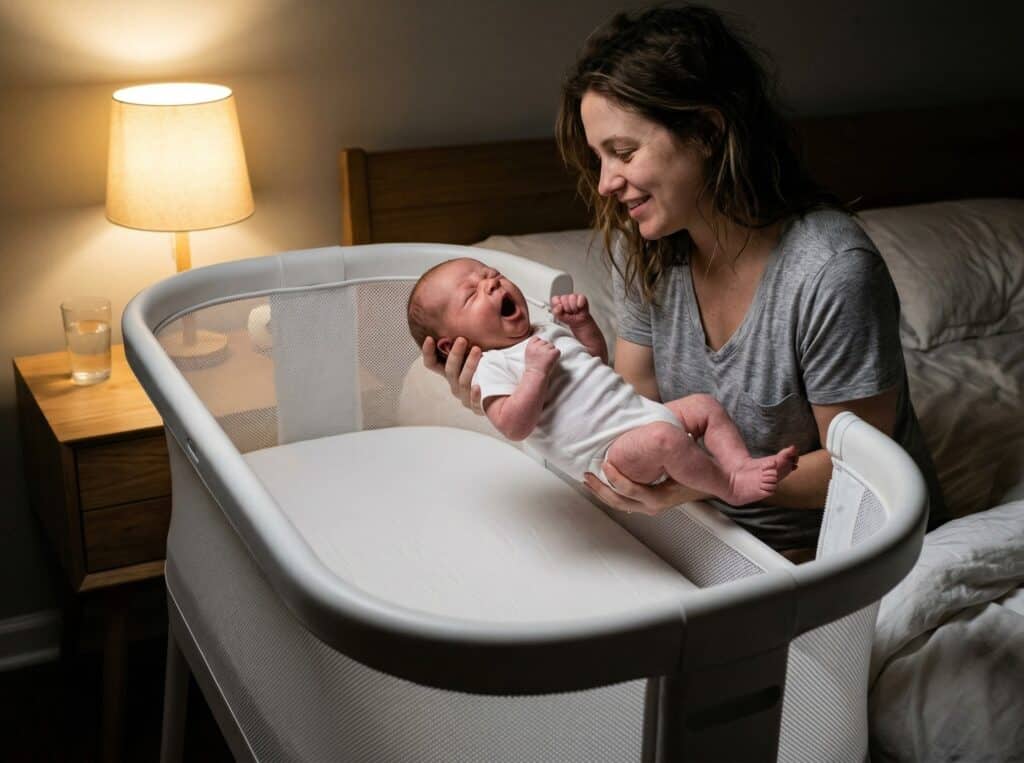
Safe cribs and bassinets
Pediatric guidelines are strict about where a newborn sleeps — flat, firm surfaces free of inclines or loose materials.
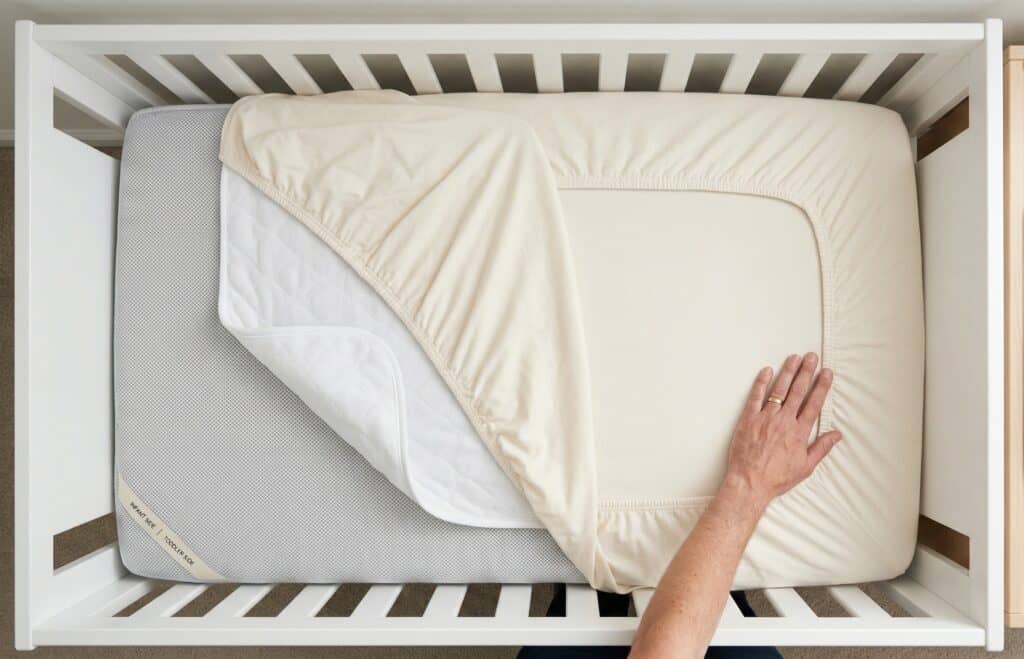
Breathable mattresses and bedding
An infant’s mattress is the single most critical safety investment. Soft mattresses pose suffocation risk; non-breathable materials cause overheating.
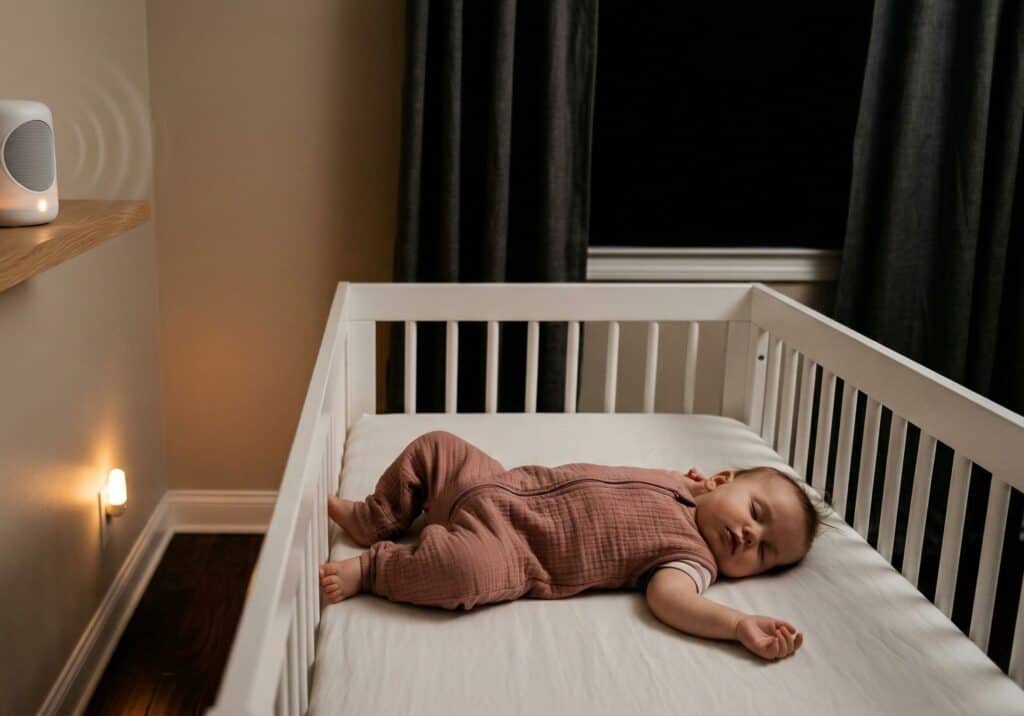
Effective sleep aids
Creating a womb-like sensory environment can drastically improve sleep, but it must be done safely.
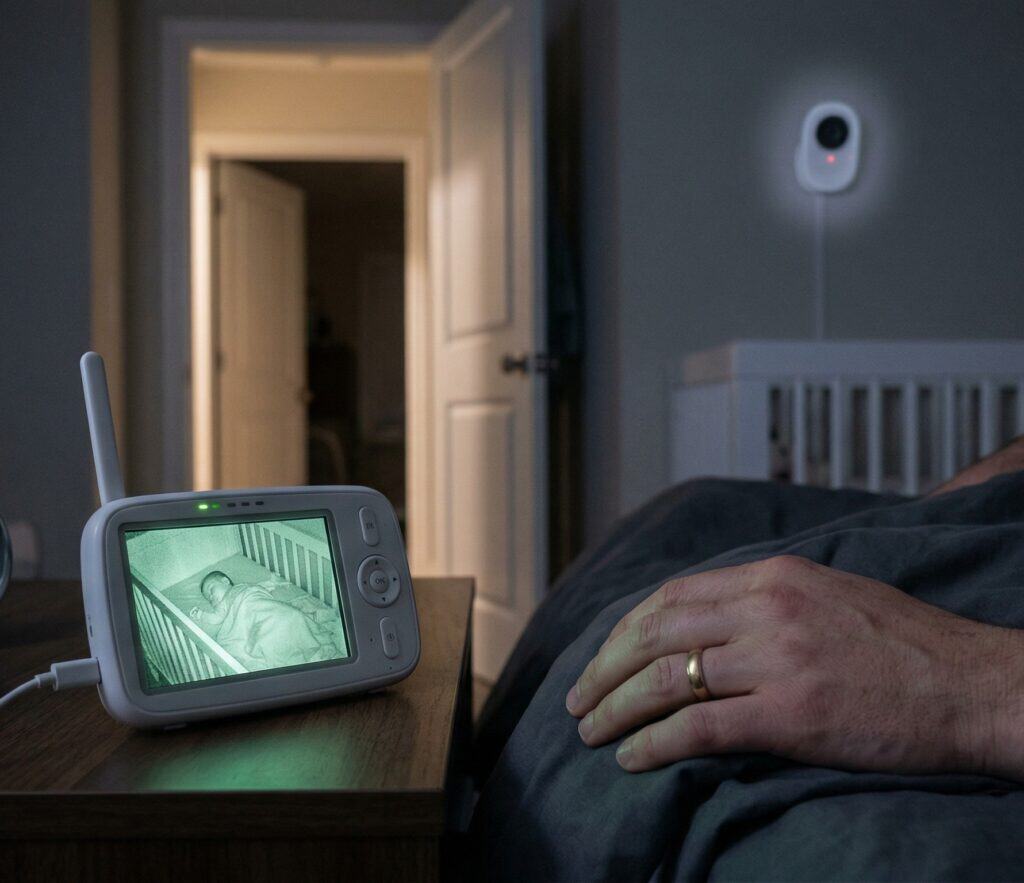
Reliable monitors and security
A reliable monitoring system is essential for peace of mind. We review HD Wi-Fi monitors, local cameras, and wearable vitals trackers.
Sleep and nursery product reviews
32 expert guides covering every nursery essential, backed by safe-sleep science.
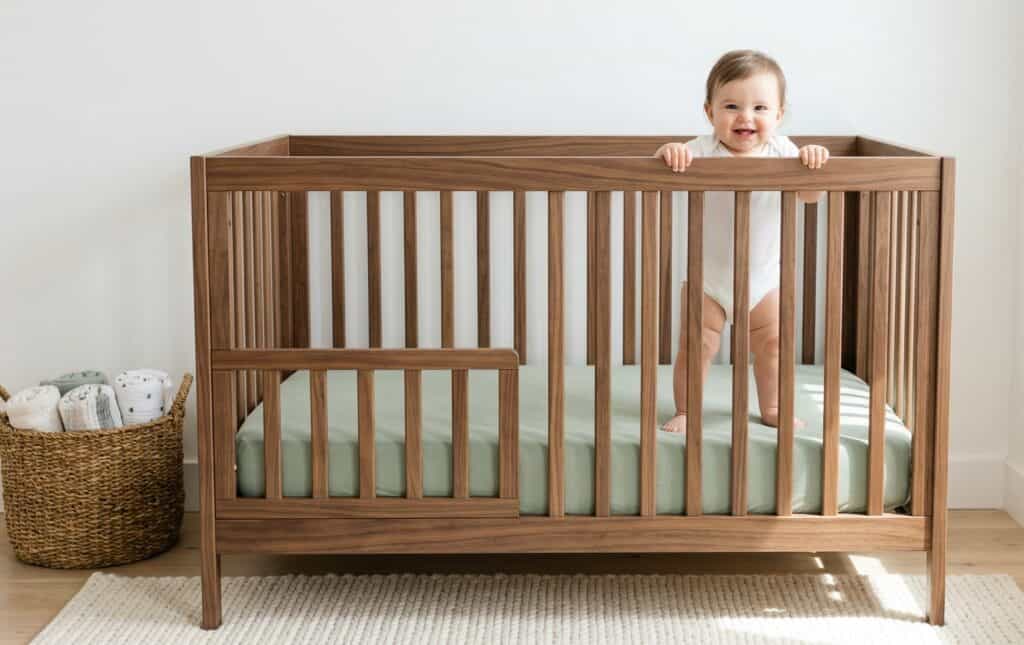
Cribs and bassinets
Smart bassinets, bedside sleepers, convertible cribs, and structural safety standards.
Mattresses and bedding
Breathable tech, dual-sided firmness, organic sheets, and VOC-free waterproofing.
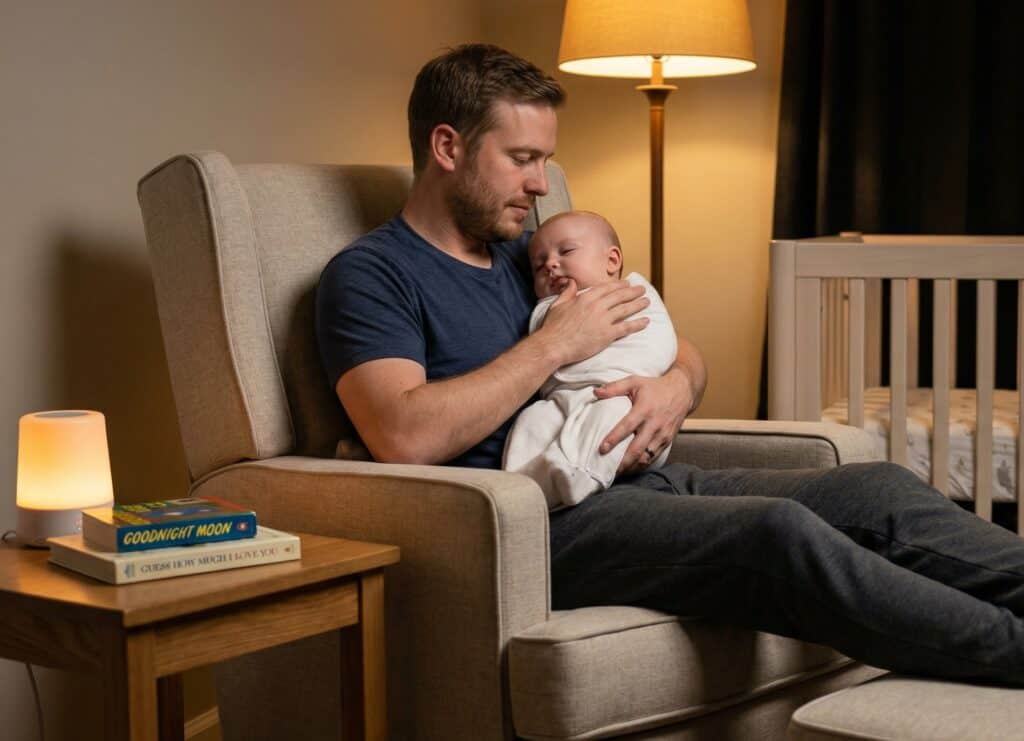
Sleep aids
White noise machines, TOG-rated sleep sacks, and safe decibel limits.
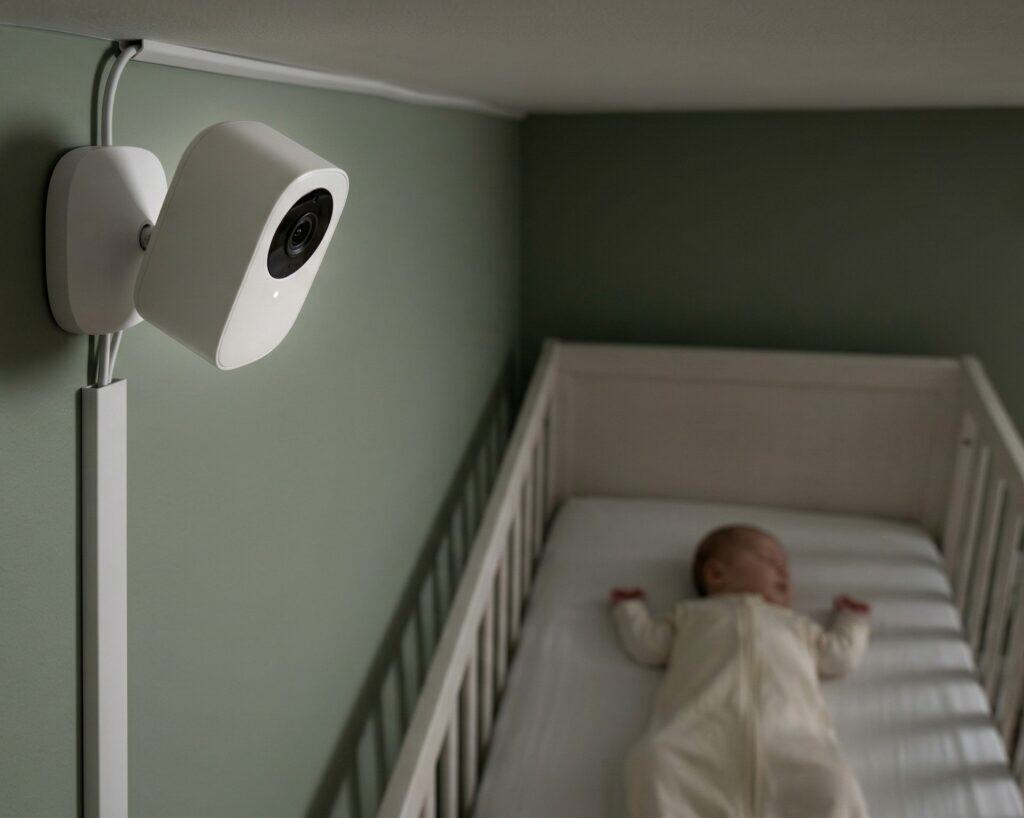
Monitors and security
HD cameras, hack-proof systems, wearable trackers, and network security.
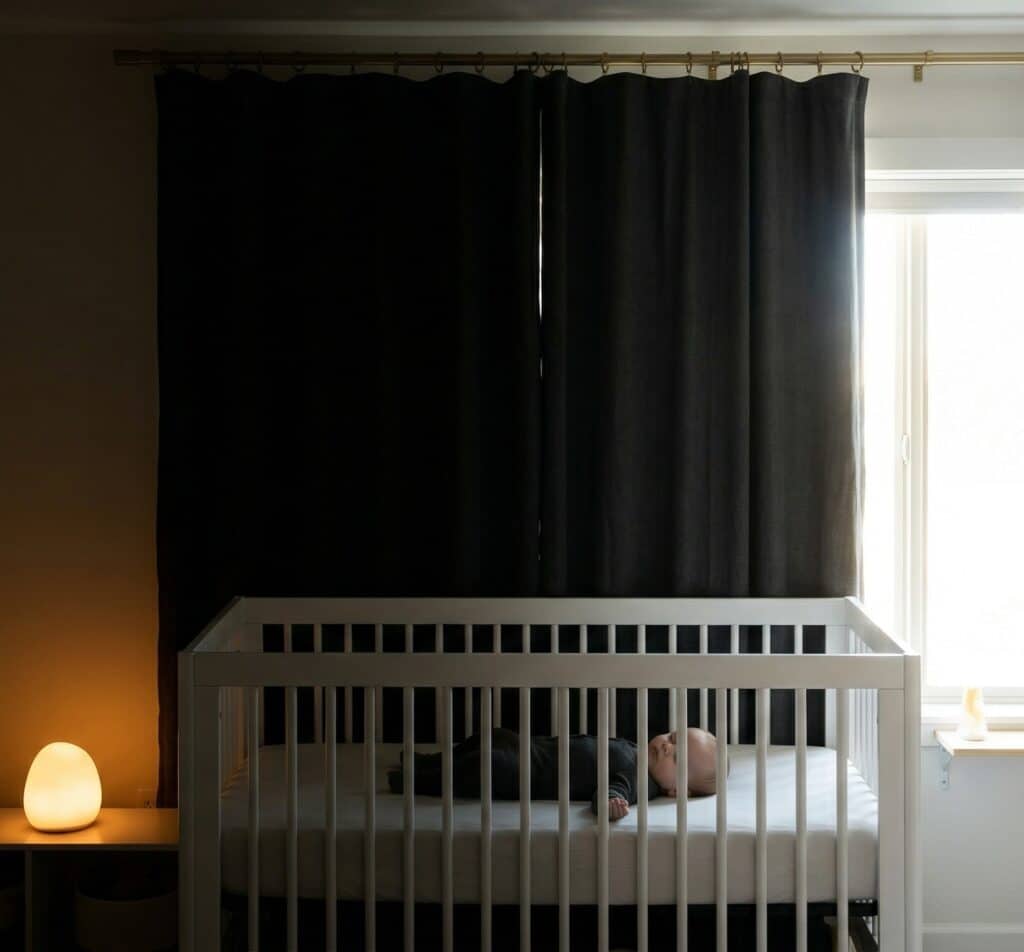
Nursery lighting and blackout
Blackout curtains, dimmable night lights, red/amber bulbs, and OK-to-wake clocks.
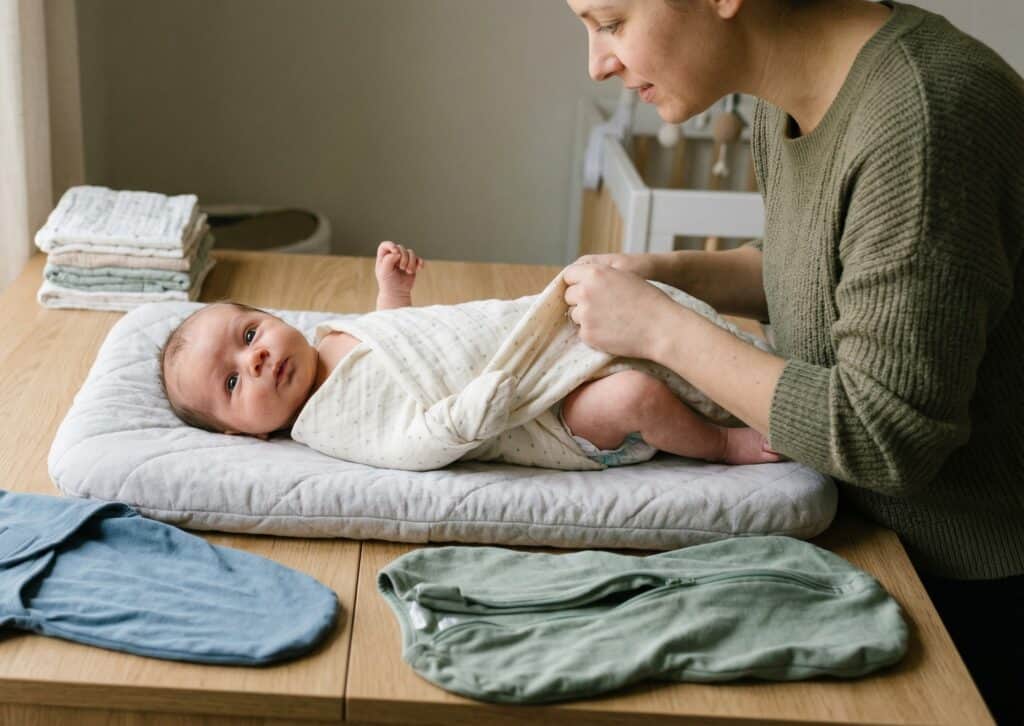
Swaddles and wearable blankets
Velcro swaddles, zip swaddles, transitional suits, and TOG ratings by season.
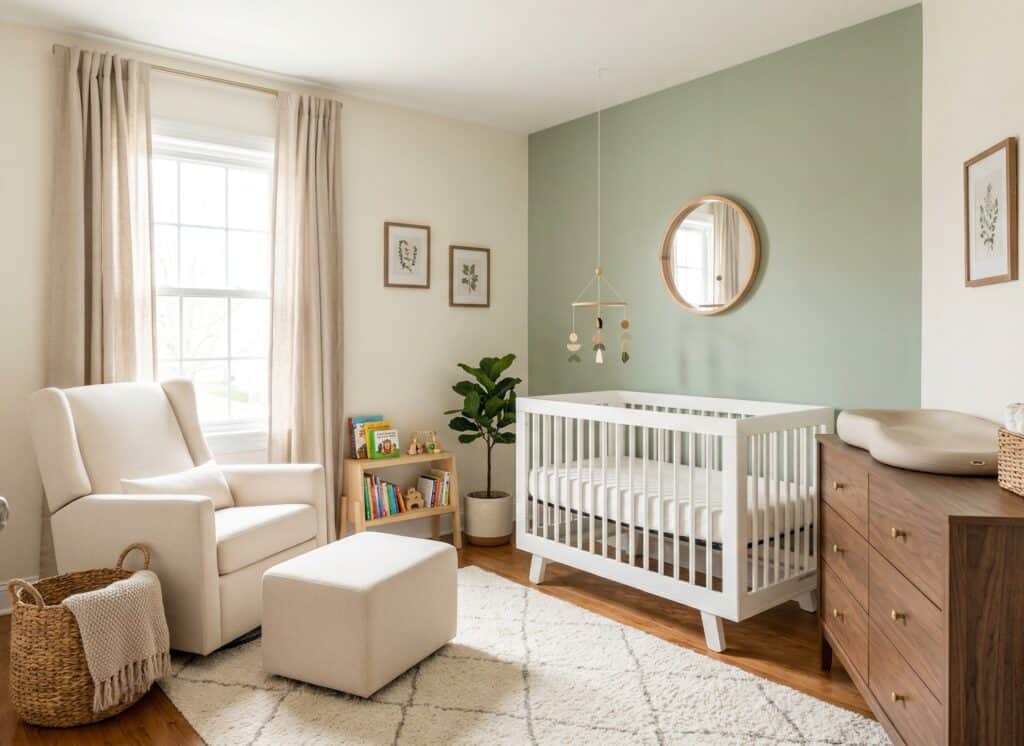
Nursery furniture and decor
Gliders, dressers, nursery rugs, wall shelves, and closet organization.
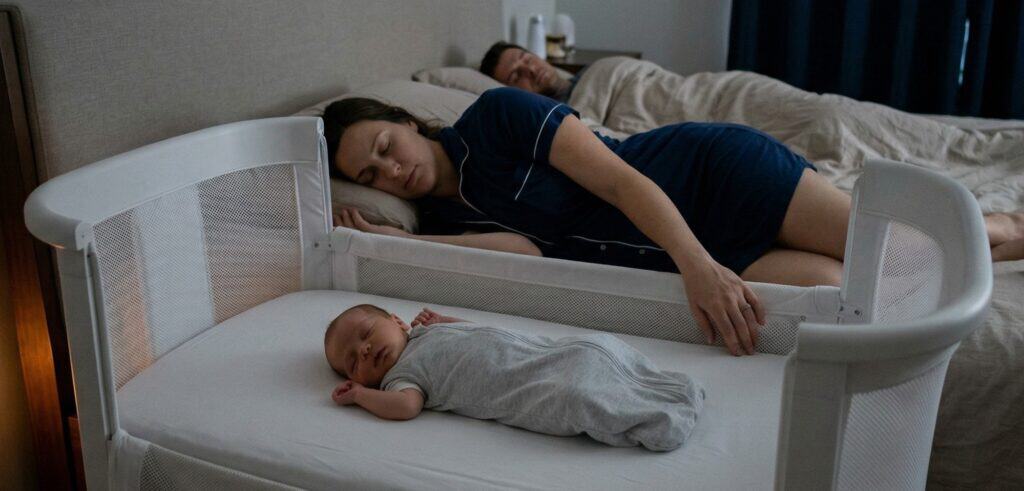
Room sharing and co-sleeping
Bedside attachments, room dividers, AAP guidelines, and safe co-sleeping options.
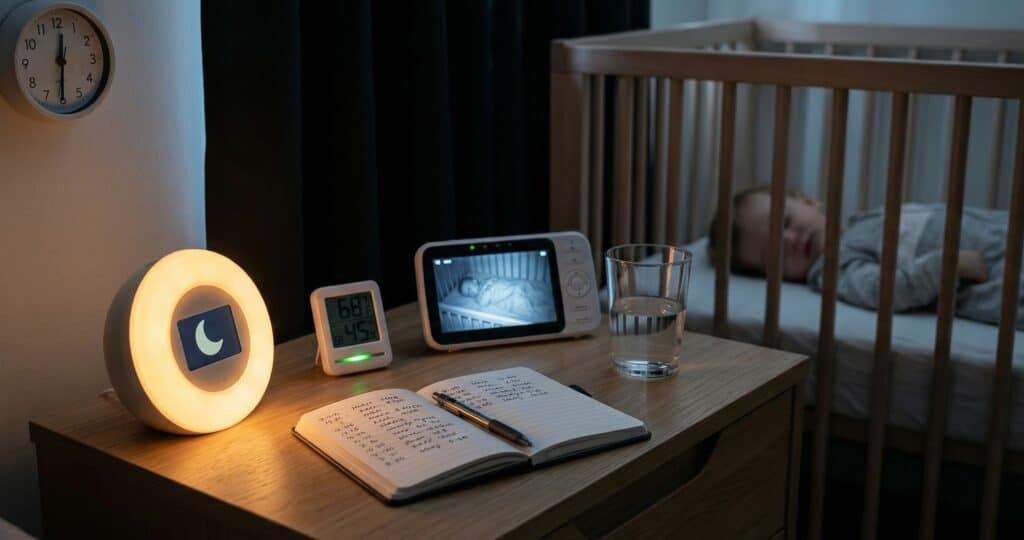
Sleep training tools
Sleep clocks, room thermometers, sleep logs, and method comparisons.
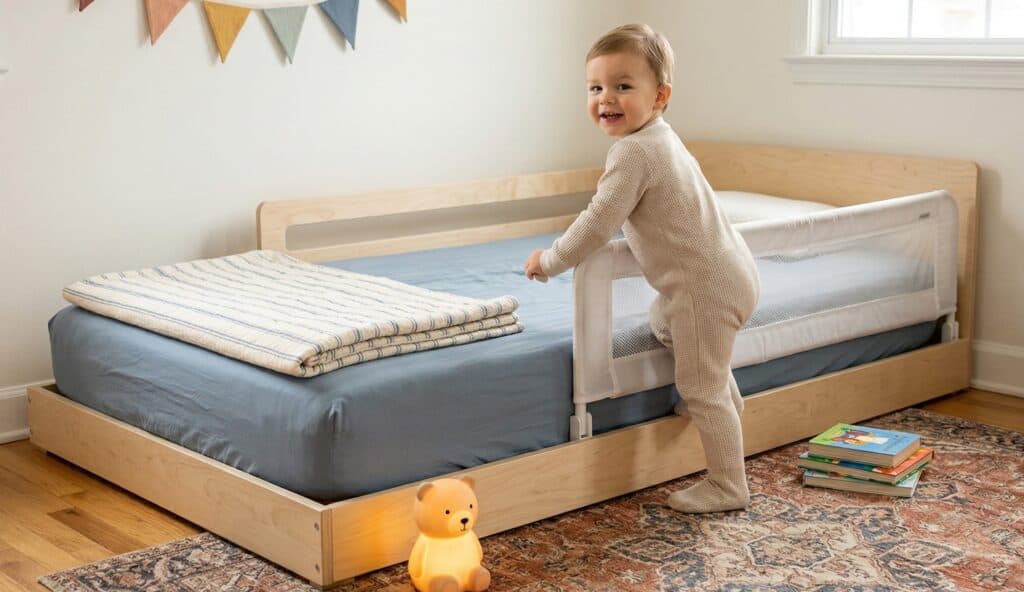
Toddler sleep transition
Toddler beds, bed rails, first pillows, comforters, and big-kid transition kits.
Prices are dynamic — click any link to see real-time availability and current pricing on Amazon.
Questions parents ask us most
How do I transition my baby out of the swaddle?
Stop swaddling at the first sign of rolling — even a partial roll (AAP 2022 guidance): a swaddled baby who rolls onto their stomach can’t use their arms to self-rescue. Most babies step down gradually — one arm free for a few nights, then both, then an unweighted sack. Our swaddle step-down guide with 3 transition picks compared covers the night-by-night protocol; the AAP recommends against weighted sleep sacks at any stage.
Should we buy a bedside sleeper or a bassinet?
Either meets the AAP’s room-sharing recommendation — baby in your bedroom on a separate flat, firm surface ideally for at least the first 6 months — and the AAP doesn’t favor one form factor over the other. The real decision is reach: a side wall that lowers to bed height, versus a freestanding unit you can move between rooms. Our bedside sleeper vs bassinet comparison breaks down which setup fits which bed.
When should we move from the crib to a toddler bed?
When your child can climb out of the crib — the AAP‘s cue that it’s time to make the switch. Most toddlers move between 24 and 36 months. Our crib-to-bed transition guide covers timing and the first-30-days safety setup.
How loud should a white noise machine be for a baby?
Under 50 dB at your baby’s ear, with the machine at least 7 feet from the crib and never in or on it. A 2014 Pediatrics study found infant sleep machines can exceed the 50 dB limit set for hospital nurseries, which is why we apply that ceiling and the distance rule in our white noise machine reviews.
What’s the best sleep training method?
The one your family can execute consistently for 7 to 14 nights. In our comparison of five sleep training methods, cry-it-out, Ferber, and the chair method all typically establish independent sleep within 7 to 14 nights when started after the 4-to-6-month readiness window; none works before 4 months. If your baby was premature or has any medical complexity, talk to your pediatrician first.
Not sure where to start?
Read our safe-sleep breakdowns above, then jump into the buying guide that matches your nursery needs, or see all our top picks in one place.
Start with sleep safetyAll Sleep & Nursery Guides
- AAP Room Sharing Guidelines: RN Guide + 3 Safe Setup Picks
- Bedside Sleeper vs. Baby Bassinet: RN Guide + 3 Picks
- Best Baby Night Light: 3 Dimmable Warm-Light Picks (RN)
- Best Baby Sleep Sack: 3 TOG-Rated Year-Round Picks (RN)
- Best Baby Transition Swaddle: Merlin vs Love to Dream (RN)
- Best White Noise Machine for Baby: 3 Decibel-Smart Picks (RN)
- Best Baby Bedside Sleeper: 3 Safe Attachment Picks (RN)
- Best Crib Mattress for Baby: 3 Breathable RN-Reviewed Picks
- Best Escape Proof Swaddle: 3 Picks for Houdini Newborns (RN)
- Greenguard Gold Certified Crib: 3 Best Non-Toxic Picks (RN)
- Best Hack-Proof Baby Monitor: 3 Secure Non-WiFi Picks (RN)
- Best Nursery Blackout Curtains: 3 Room-Darkening Picks (RN)
- Best Nursery Closet Organizer: 3 Grow-With-Child Picks (RN)
- Best Nursery Dresser: 3 Anti-Tip Picks With Anchors (RN)
- Best Nursery Glider: 3 RN-Reviewed Rocking Chair Picks
- Best Nursery Thermometer and Hygrometer: 3 RN-Reviewed Picks
- Best OK to Wake Clock: 3 Toddler Picks for Early Risers (RN)
- Best Baby Crib Sheets: 3 GOTS-Certified Organic Picks (RN)
- Best Room Divider for Nursery: 3 Shared-Bedroom Picks (RN)
- Best Toddler Clock for Sleep Training: 3 OK-to-Wake Picks (RN)
- Best Sleep Training Method: 3 Approaches Compared (RN)
- Best Smart Bassinet: RN-Reviewed Picks for Sleep Regression
- Best Smart Sleep Tracking Baby Monitor: 3 AI Picks (RN)
- Best Toddler Bed: 3 Safe Floor & Convertible Picks (RN)
- Best Toddler Bed Rails: 3 Roll-Out Safety Picks (RN)
- Crib to Bed Transition Guide: When and How + 3 Tools (RN)
- How to Transition Out of Swaddle: RN Step-Down Guide + 3 Picks
- Nursery Off-Gassing Guide: VOC Facts + 3 Low-Tox Picks (RN)
- Nursery Essentials on a $1,000 Budget: RN’s Complete Room
- Are Weighted Sleep Sacks Safe for Babies? AAP Warning + Picks
- Hatch Baby Sound Machine Review + 2 Alternatives (RN)
- Where to Mount Baby Monitor: Placement Guide + 3 Picks (RN)