
Play and development essentials for joyful milestones
From tummy time to first steps — toys and gear that safely support motor skills and cognitive development without overstimulating screens and flashing lights.
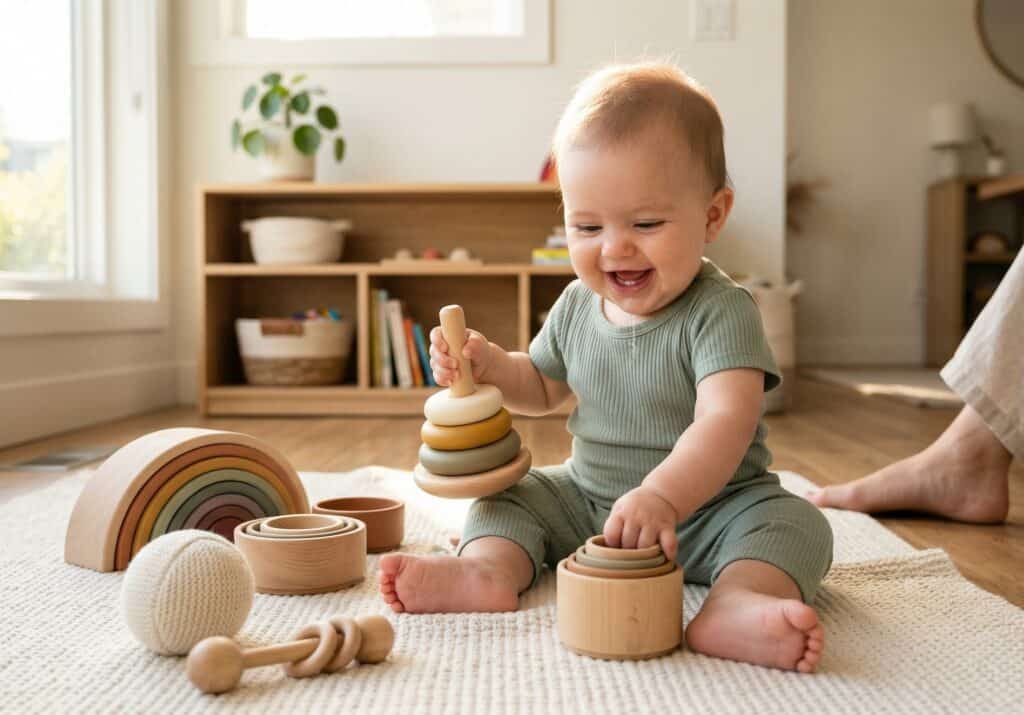
Gear that actually supports pediatric milestones
The toy aisle is overwhelming, filled with gadgets that often hinder rather than help development. We evaluate play gyms, activity centers, and developmental toys based strictly on occupational and physical therapy principles. Short on time? See all our top picks in Quick Picks.
How this category is reviewed
Every guide below is written by Jonathan Wendeln, BSN, RN — a critical-care nurse who evaluates play gear against the published standard, not the marketing copy. Last updated September 2026. For this category that means the American Academy of Pediatrics positions on walkers, tummy time, and early literacy; the CPSC-referenced ASTM F963 toy-safety standard (plus ASTM F2012 for stationary activity centers); and the International Hip Dysplasia Institute’s hip-healthy positioning guidance for anything a baby sits in. Each review states which of those published standards apply to the product category and checks the manufacturer’s published specifications against them.
Before buying anything here, decide your baby’s current motor stage first, not their age in months — a newly-cruising 10-month-old and a confidently walking 14-month-old need different equipment even when both boxes say “12+ months.” Then be honest about floor space: gear that folds or converts stays in rotation; gear that dominates the living room gets stored and forgotten.
Three reviews worth starting with
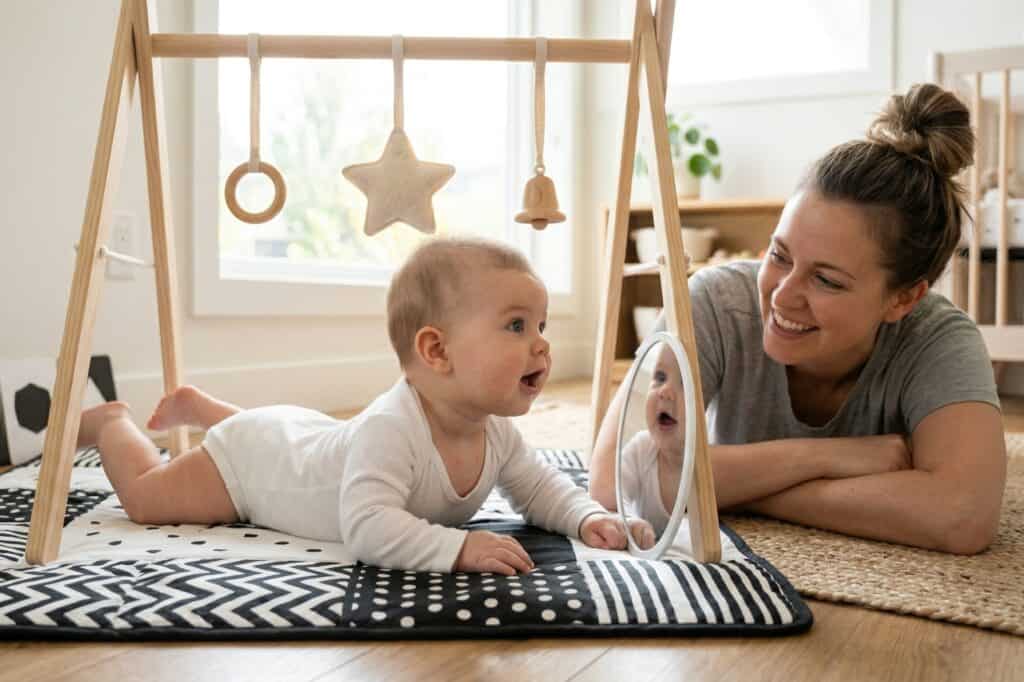
Tummy time and floor play
Building core, neck, and shoulder strength is the prerequisite for rolling, sitting, and crawling. We evaluate high-contrast sensory mats, shatterproof floor mirrors, and ergonomic water mats.
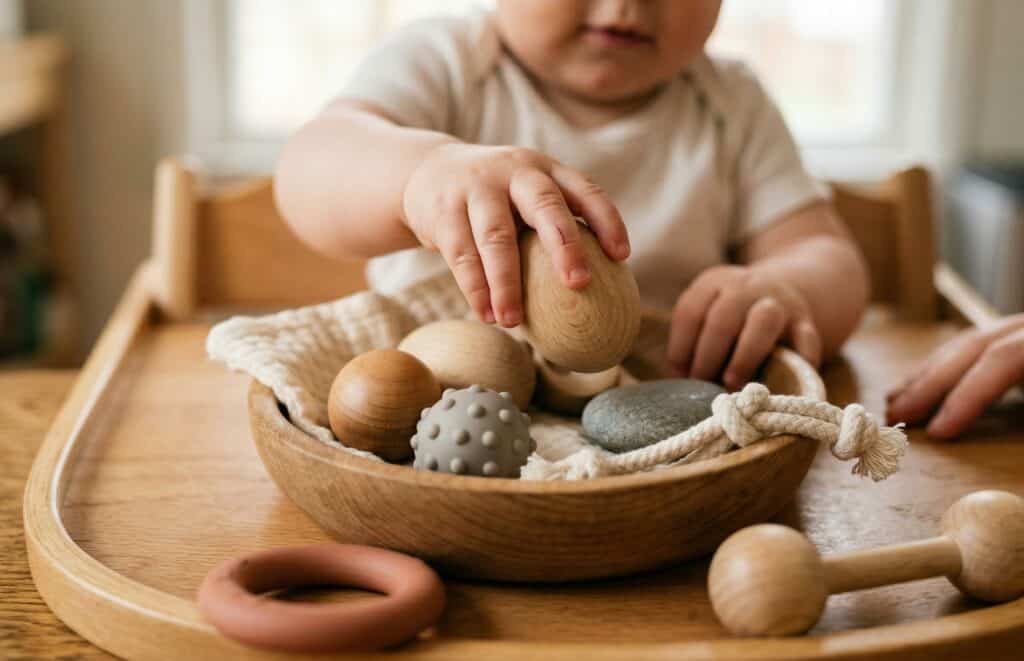
Fine motor and sensory toys
As palmar grasps transition into precise pincer grasps, babies need safe objects to manipulate and mouth. We review non-toxic silicone teethers, food-grade wooden rattles, and nesting toys.
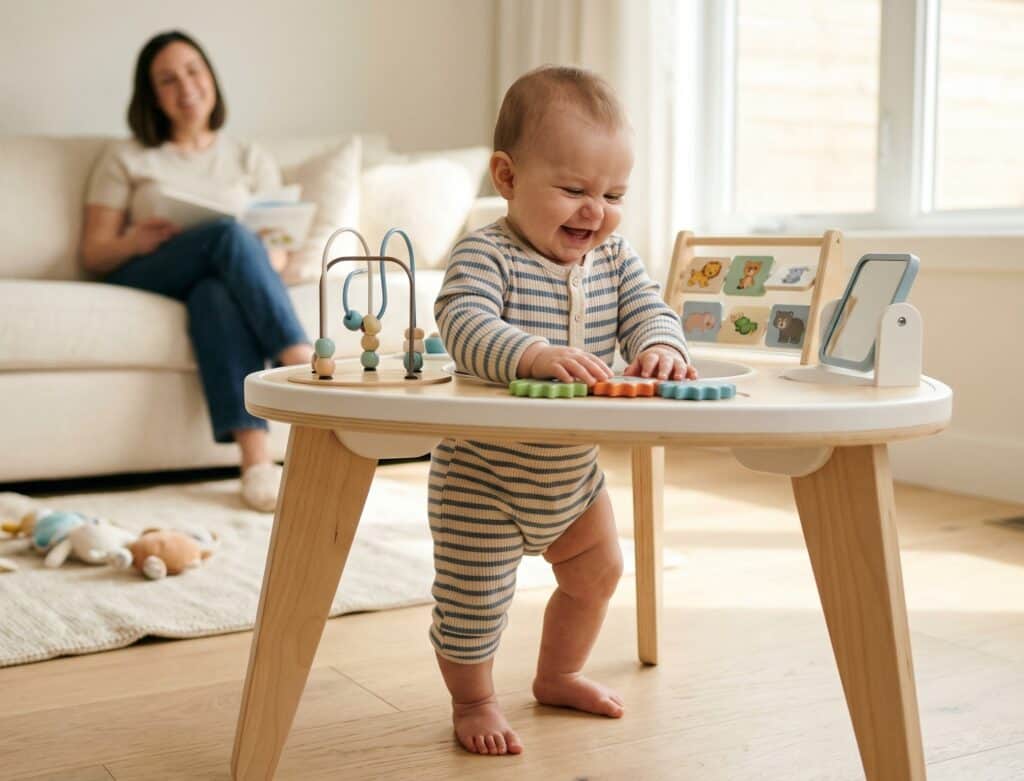
Jumpers and activity centers
Stationary activity centers and door jumpers are popular, but must be used correctly to avoid joint damage. We evaluate strictly through the lens of hip health and spinal alignment.

Gross motor and mobility
When your baby begins pulling to stand and cruising, their environment becomes their jungle gym. We review weighted push walkers, Pikler climbing triangles, and modular play couches.
Development-focused product reviews
32 expert guides grounded in occupational and physical therapy principles.
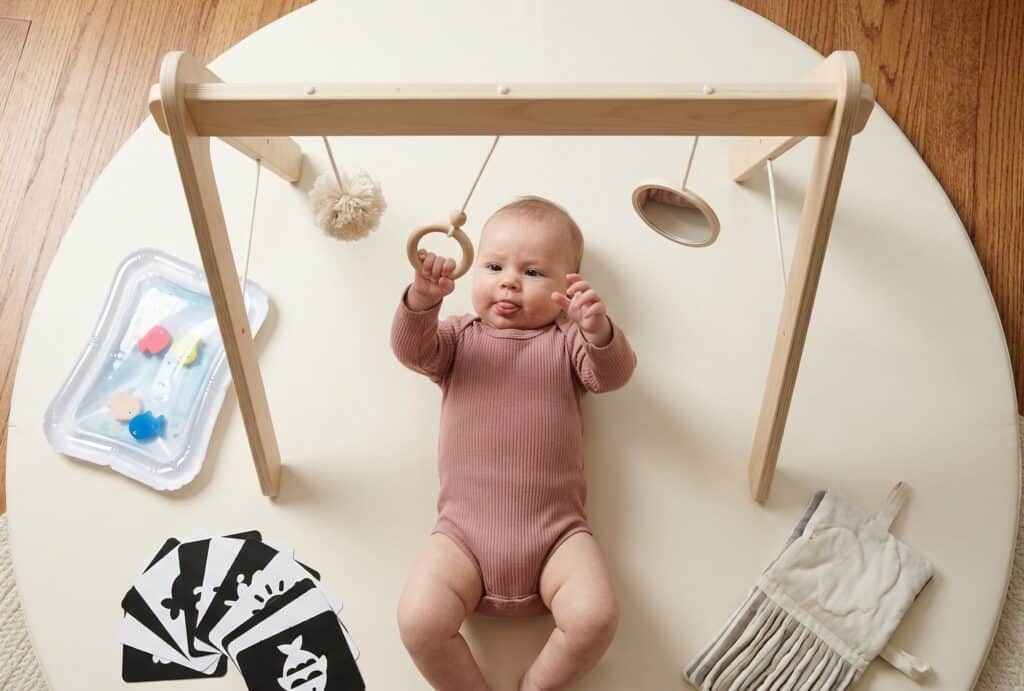
Floor play essentials
Non-toxic play mats, wooden play gyms, water mats, and high-contrast visual cards.
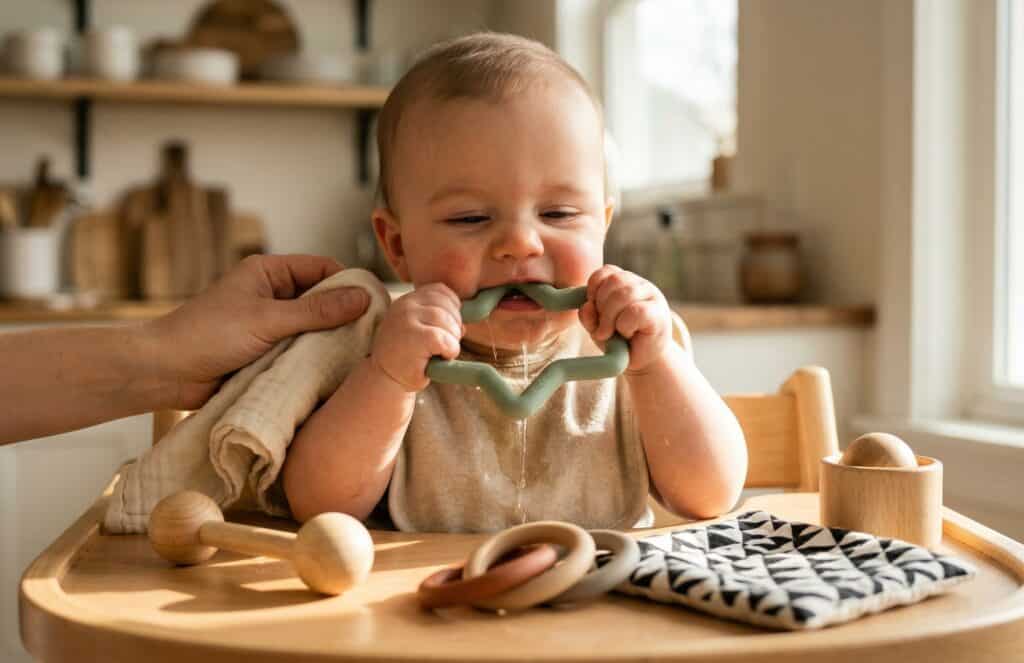
Sensory and teething
Food-grade silicone teethers, wooden rattles, stacking sets, and toxic-material safety checks.
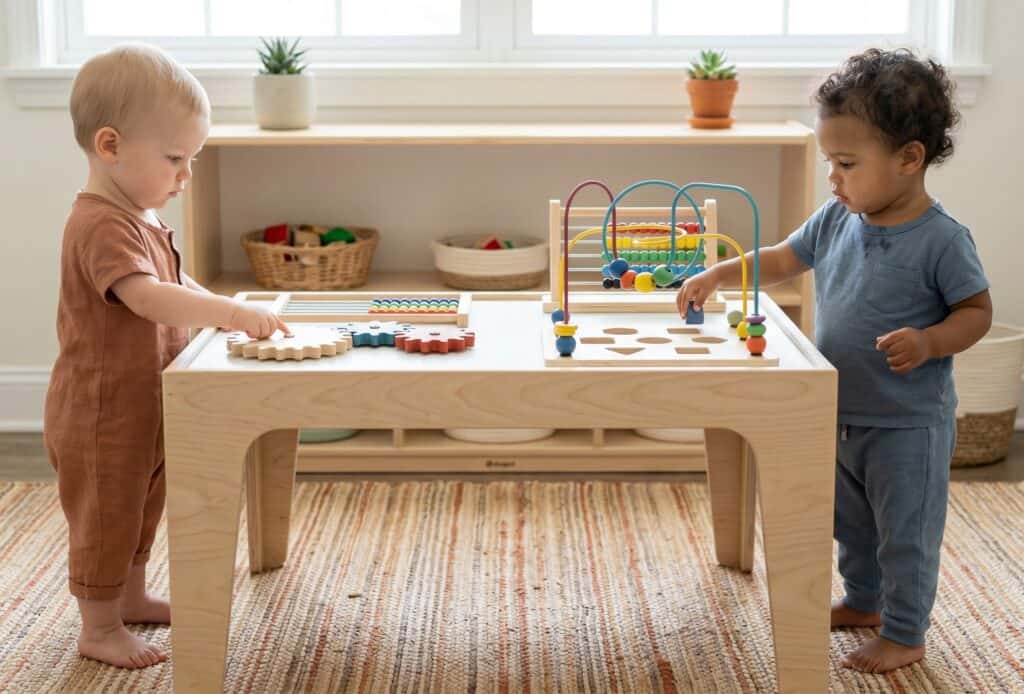
Activity centers
Hip-healthy stationary centers, activity tables, and container syndrome prevention.
- Best Baby Activity Center: 3 Hip-Healthy Stationary Picks (RN)Check prices →
- Best Toddler Activity Table: 3 RN-Reviewed Picks That GrowCheck prices →
- Best Toddler Table and Chairs: 4 RN-Reviewed Picks (2026)Check prices →
- Best Pack ‘n Play: 4 RN-Reviewed Picks (2026)Check prices →
- Container Baby Syndrome: RN Prevention Guide + 3 Floor-Time PicksGuide
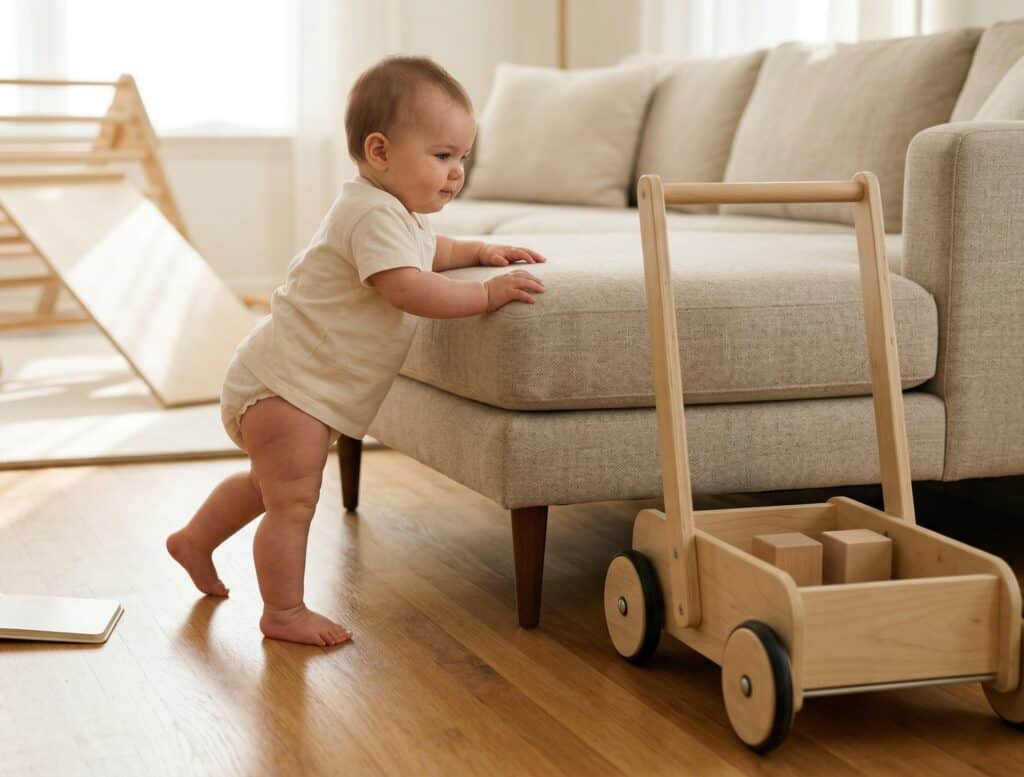
Mobility and cruising
Weighted push walkers, Pikler triangles, play couches, and why sit-in walkers are dangerous.
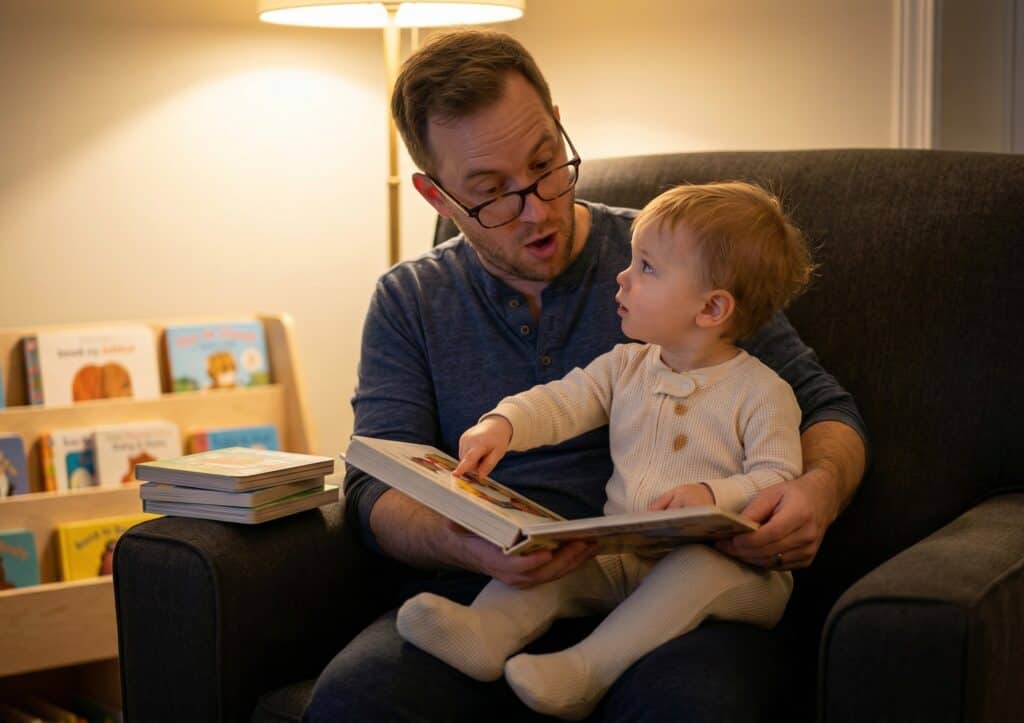
Books and early literacy
Board books, touch-and-feel books, indestructible books, and display shelves by age.
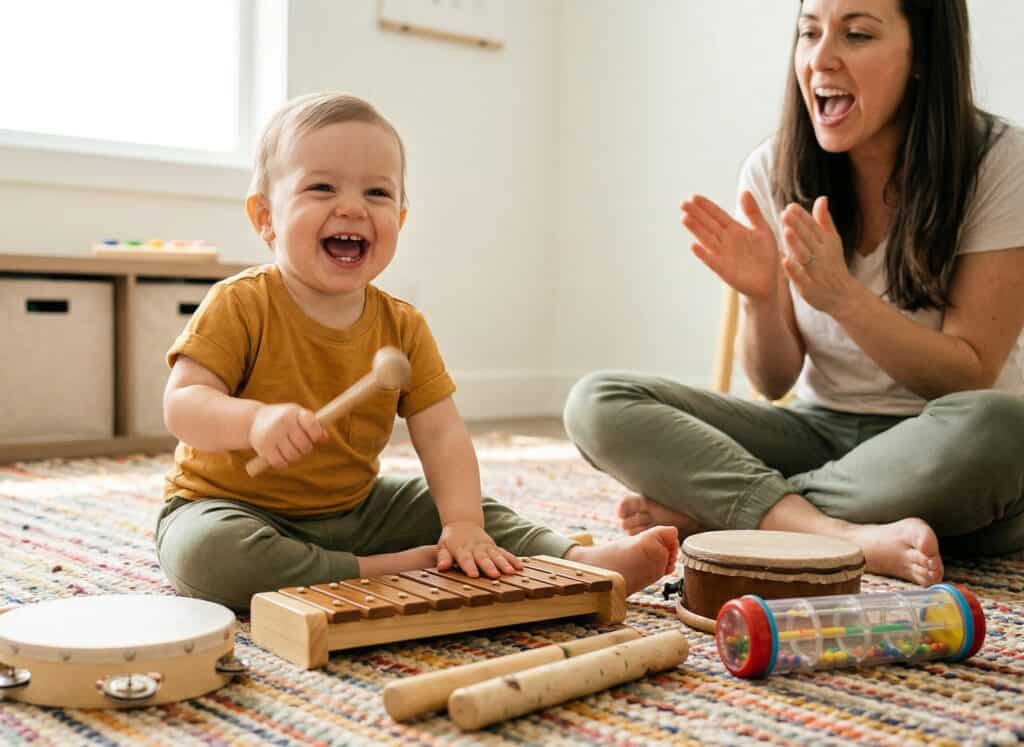
Music and sound toys
Baby instruments, rhythm shakers, sound tables, and safe decibel-level music toys.
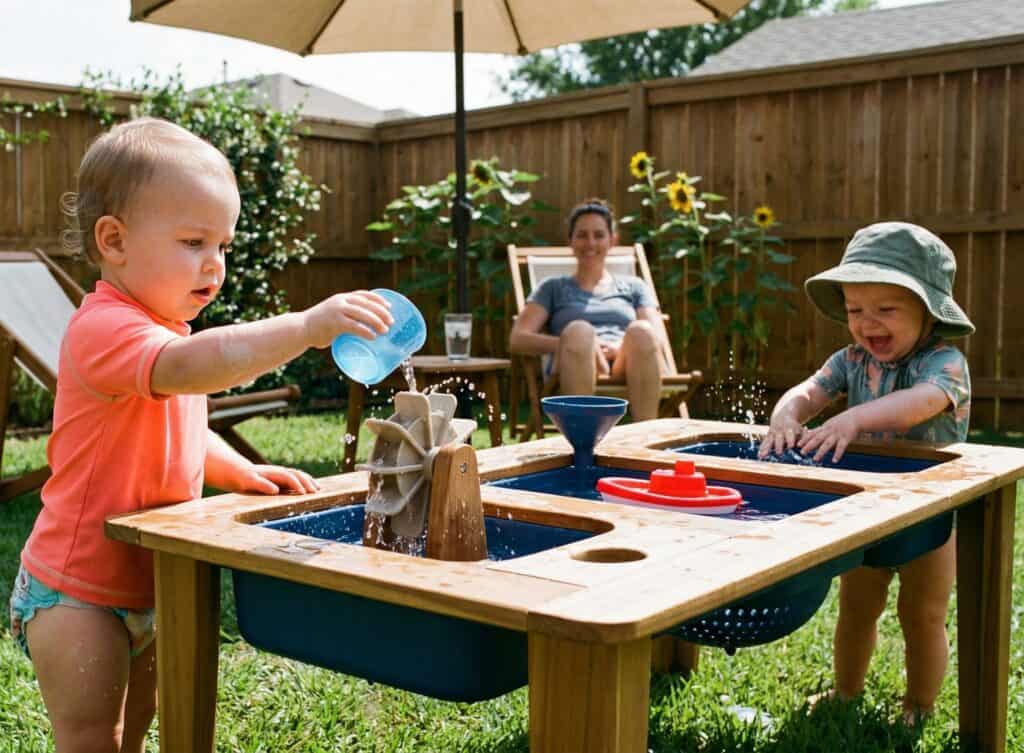
Outdoor play and water tables
Water tables, sandbox toys, baby swings, outdoor climbers, and splash pads.
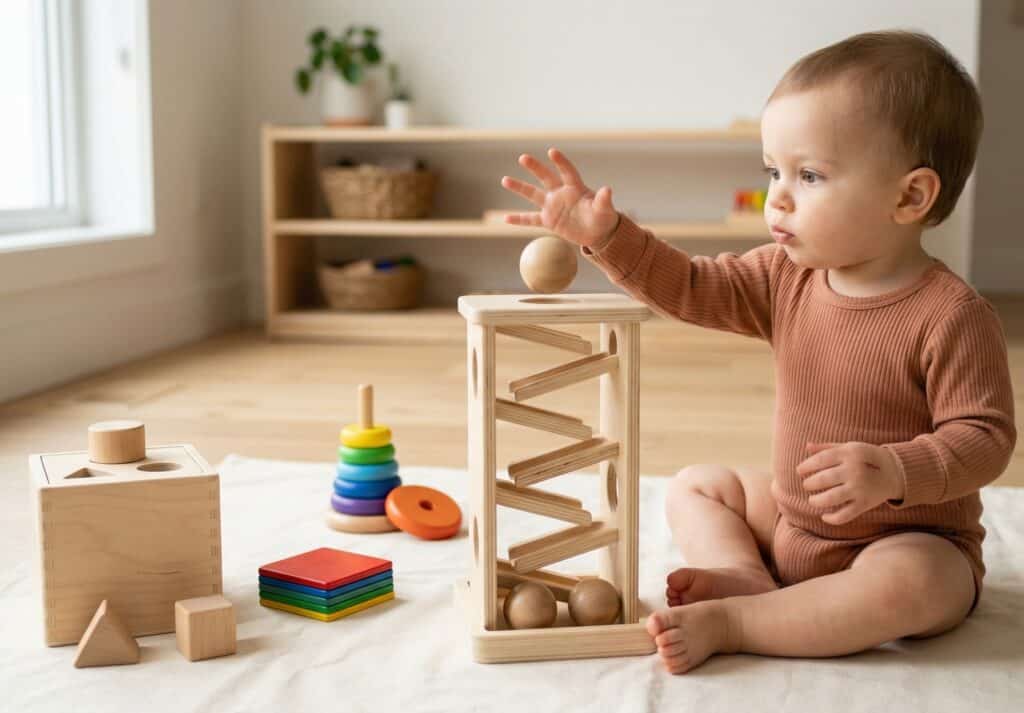
STEM and cause-and-effect toys
Ball drops, shape sorters, stacking rings, basic puzzles, and magnetic tiles.
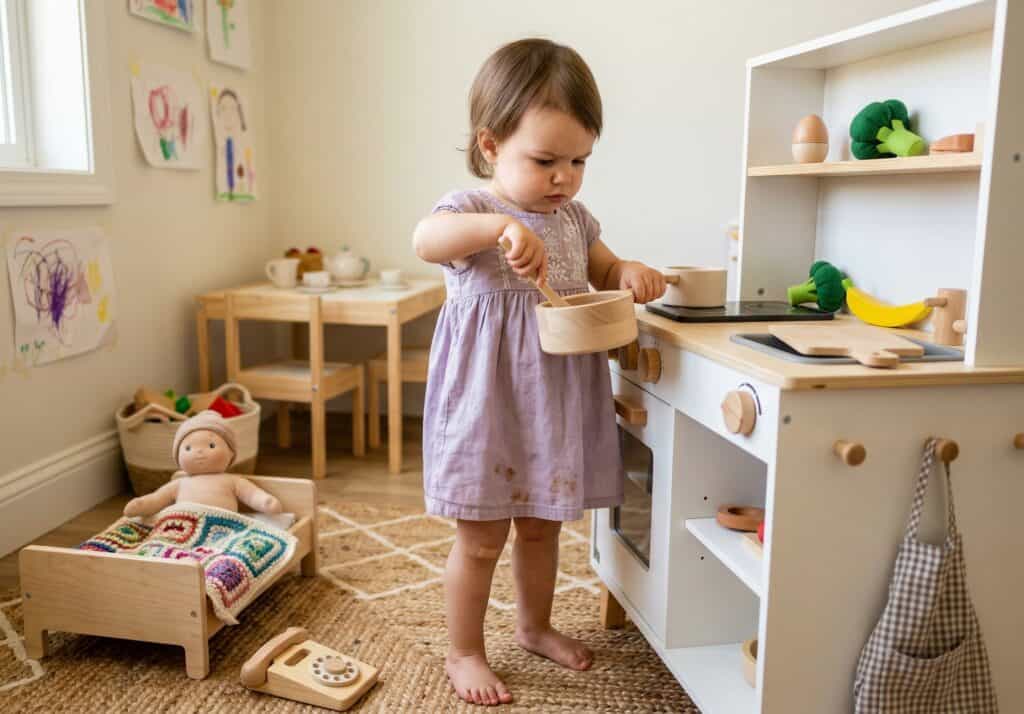
Imaginative and pretend play
Play kitchens, baby dolls, toy phones, push toys, and role-play sets for 12+ months.
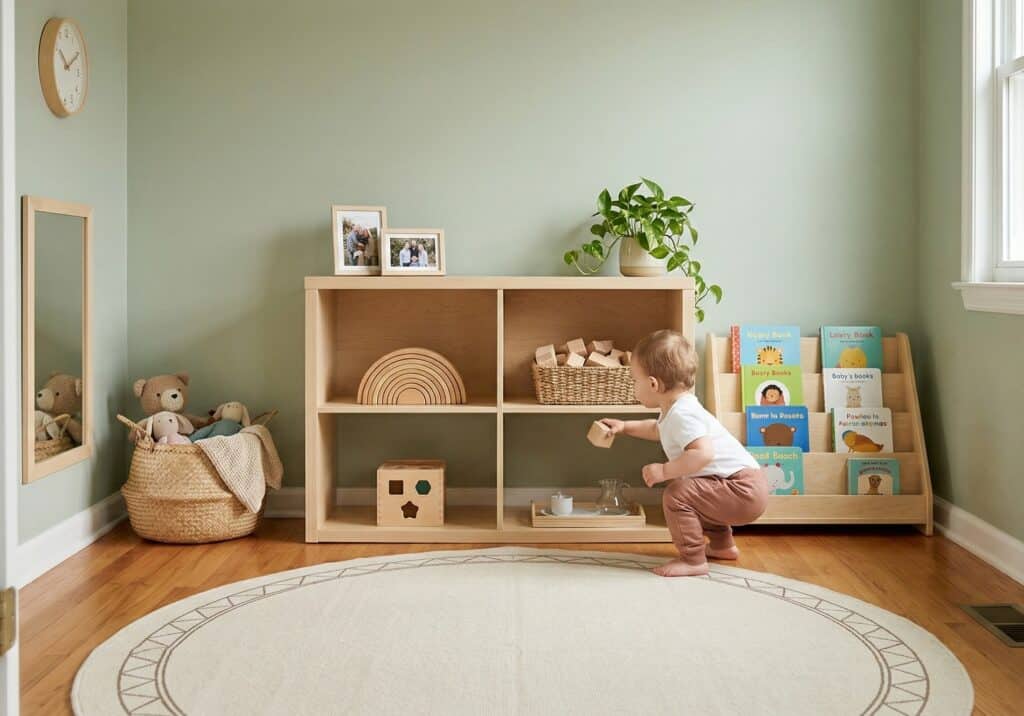
Storage and playroom organization
Montessori shelves, toy rotation systems, cube organizers, playroom rugs, and bins.
Prices are dynamic — click any link to see real-time availability and current pricing on Amazon.
Play & development FAQs
What is container baby syndrome?
Container baby syndrome is the cluster of preventable problems — flat-head (plagiocephaly), tight neck muscles (positional torticollis), and delayed rolling — that develops when a baby spends too many awake hours in car seats, swings, bouncers, and exersaucers. The fix is unrestricted floor play, with containment devices capped at roughly 15–20 minutes a day. Our container baby syndrome prevention guide covers the warning signs; if you notice a flat spot or a one-sided head preference, bring it up with your pediatrician.
Are sit-in baby walkers safe?
No. The American Academy of Pediatrics has called for a US ban on sit-in mobile walkers since 2018, and CPSC injury data recorded an average of about 9,000 walker-related ER visits per year among children under 15 months from 1990 to 2014, a figure that has fallen substantially under stronger walker standards since. Our sit-in walker safety analysis reviews three alternatives that support walking instead of delaying it.
When does pretend play start?
Functional play (using a real spoon on yourself) appears around 12 to 15 months, self-pretend (feeding a doll) around 18 months, and true role-play between 36 and 48 months. Our when pretend play starts guide maps the full five-stage timeline. Every child’s pace differs — if pretend play seems absent well past these windows, mention it at your next pediatrician visit.
When should I start reading to my baby?
From birth. The AAP’s 2014 early-literacy policy statement recommends reading aloud from the newborn period onward, because language exposure between birth and 24 months is one of the strongest predictors of later vocabulary. Our when to start reading to your baby guide covers the research and the chew-proof first books that survive teething.
How does a toy rotation system work?
Keep roughly 6–10 toys out, store the rest out of sight, and rotate every 2 weeks or when interest wanes — a 2018 University of Toledo study found toddlers given 4 toys played longer and more creatively than the same toddlers given 16. Our toy rotation system guide walks the full 5-step setup.
Not sure where to start?
Match your baby’s current milestone stage to the right buying guide above.
Start with milestonesAll Play & Development Guides
- Baby Music Table: 3 Best Activity Table Picks (RN)
- Best Baby Activity Center: 3 Hip-Healthy Stationary Picks (RN)
- Best Baby Board Books by Stage: 3 RN-Reviewed Picks
- Best Baby Musical Instruments: 3 Montessori Wooden Sets (RN)
- Best Baby Piano Toys: 3 RN-Reviewed Picks (6–18 Months)
- Best Baby Play Mats for Hardwood Floors: 3 Non-Toxic Picks (RN)
- Best Baby Push Walker: 3 Tip-Resistant Weighted Picks (RN)
- Best Baby Stacking Cups: 3 RN-Reviewed Motor-Skill Picks
- Best First Baby Doll: 3 Soft Cloth Picks for Babies (RN)
- Best Forward-Facing Bookshelf: 3 Montessori Display Picks
- Best Montessori Toy Rotation Shelf: 3 RN-Reviewed Picks
- Best Non-Toxic Wooden Baby Toys: 3 RN-Reviewed Picks
- Best Outdoor Baby Swing: 3 Bucket Picks for Toddlers (RN)
- Best Pack ‘n Play: 4 RN-Reviewed Picks (2026)
- Best Pikler Triangle: 3 RN-Reviewed Climbing Picks
- Best Play Kitchen for Toddlers: 3 Wooden RN-Reviewed Picks
- Best Shape Sorter: 3 Ball Drop & Sorter Picks for Babies (RN)
- Best Silicone Teether: 3 Safest Food-Grade Picks for Babies (RN)
- Best Toddler Activity Table: 3 RN-Reviewed Picks That Grow
- Best Toddler Table and Chairs: 4 RN-Reviewed Picks (2026)
- Best Toddler Water Table: 3 Top Sensory Play Picks (RN)
- Best Toy Organizer Bins and Cube Storage: 3 Top Picks
- Best Tummy Time Mat for Newborns: RN Tips + 3 Top Picks
- Best Wooden Play Gym for Visual Tracking: 3 RN-Reviewed Picks
- Cause and Effect Toys: Why They Matter + 3 Pop-Up Picks (RN)
- Container Baby Syndrome: RN Prevention Guide + 3 Floor-Time Picks
- How to Set Up a Toy Rotation System: Montessori Guide + Picks
- Magnetic Tiles for Toddlers: 3 Best STEM Building Sets (RN)
- Outdoor Play Safety by Age: RN Guide + 3 UV Tent Picks
- Sit-In Baby Walkers Are Dangerous: 3 Safer Alternatives (RN)
- When Pretend Play Starts: RN Guide + 3 First Pretend Play Sets
- When to Start Reading to Baby: RN Guide + 3 First Books