
Baby gear reviewed for real-world safety
We break down crash test ratings, ergonomic support, and long-term durability — so your biggest investments hold up under daily life and protect what matters most.

How I review gear and travel products
I’m Jonathan Wendeln, BSN, RN — a critical-care registered nurse, and every guide in this category is published under my name. Last updated September 2026. Gear and travel is the one category where federal rules do some of the screening for you: every car seat sold in the U.S. must pass FMVSS 213, strollers fall under ASTM F833, play yards and travel cribs under ASTM F406, and soft carriers under ASTM F2236, all under CPSC oversight. But certification is a floor, not a verdict — per NHTSA data, misuse, not product failure, drives most real-world car seat injuries — so these reviews focus on what separates “meets the standard” from “easy to use correctly every time.”
Deciding what to buy first? Start with the car seat — it’s the one item the hospital won’t discharge your newborn without, and with FMVSS 213a mandatory December 5, 2026, favor a seat that already complies. Pick the stroller second and confirm the two click together, then fill in carriers, travel cribs, and accessories.
Top picks right now
- Our top infant car seat pick — the Clek Liing, a top-rated infant car seat in Consumer Reports’ testing, with a metal load leg and rigid LATCH.
- Our top convertible car seat pick — the Britax One4Life, whose three-step ClickTight install and 50-lb extended rear-facing cover roughly 10 years of use.
- Our top modular double stroller picks — the UPPAbaby Vista V3 leads for its single-to-double expandability and car-seat compatibility; the Mockingbird 3.0 offers similar single-to-double modularity at a lower list price.
Clinical safety meets real-world practicality
From evaluating hip-dysplasia risks in popular baby carriers to reviewing impact-absorption foam specifications in convertible car seats, we ensure you can make your biggest gear and travel investments with absolute confidence. Every pick is cross-referenced against CPSC safety guidance and American Academy of Pediatrics recommendations.
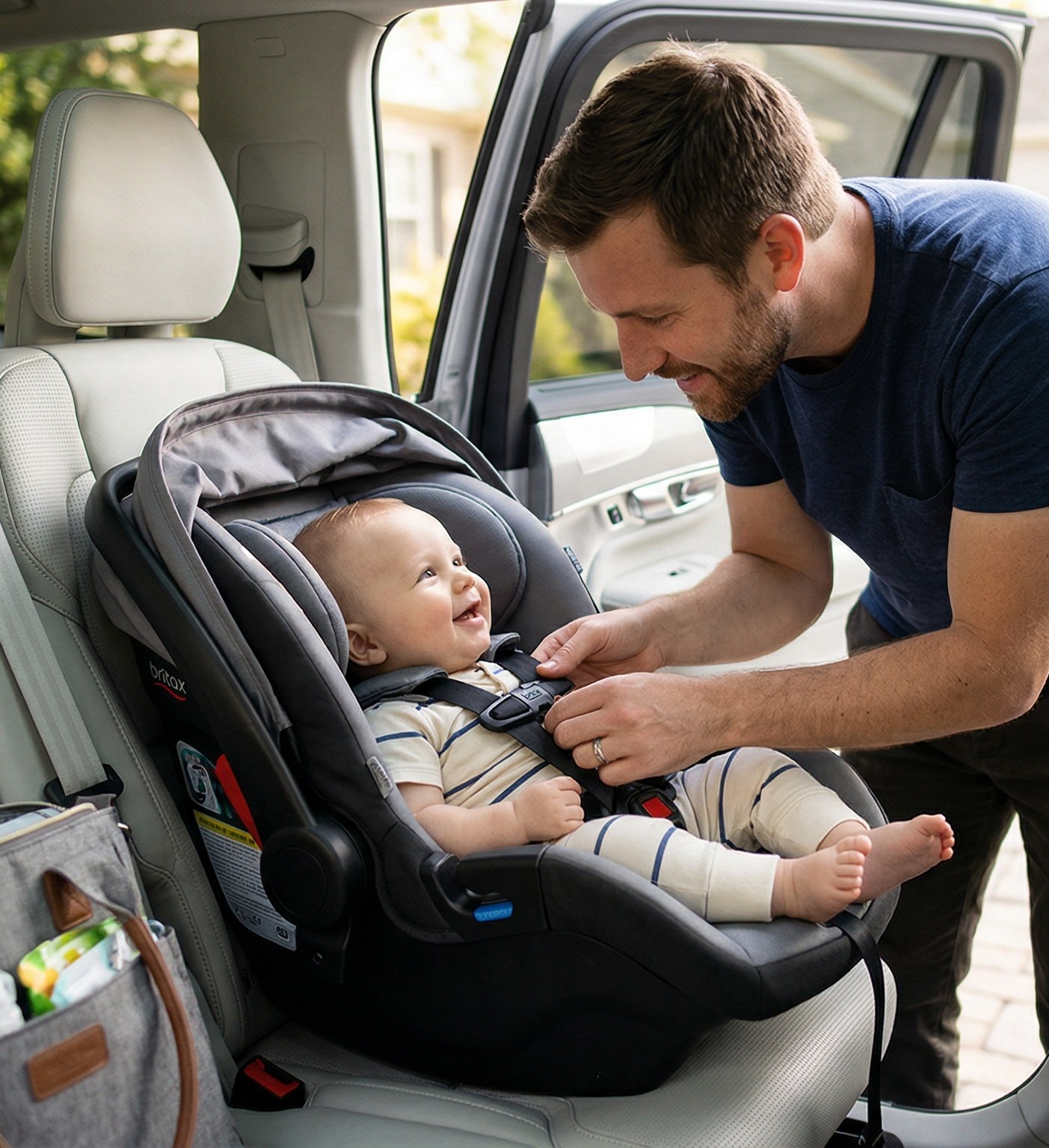
Car seats
Choosing a car seat is one of the most critical safety decisions you’ll make. We evaluate infant buckets, convertible options, and modern rotating seats against the highest standards.
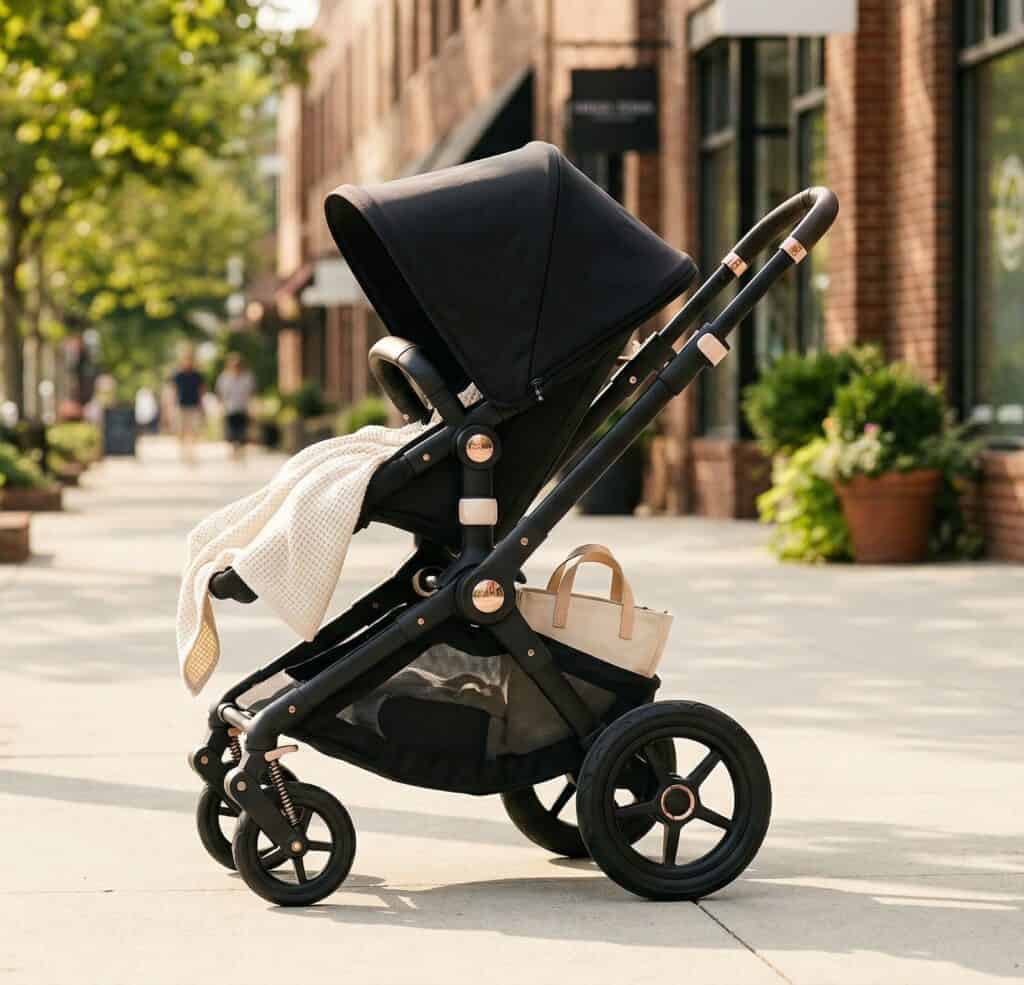
Strollers
A stroller needs to handle varying terrain while keeping your baby secure and comfortable. We evaluate jogging, daily travel, and modular double stroller systems.

Baby carriers and wraps
Babywearing is a wonderful way to bond, but it requires gear that respects an infant’s anatomy. We review structured carriers, ring slings, and soft wraps.

Travel cribs and playards
Sleep safety doesn’t stop when you leave home. We review lightweight portables, heavy-duty playards, and pop-up travel tents for trips and hotel stays.
Feature-to-benefit gear reviews
35 expert guides across every gear and travel category, backed by safety data.
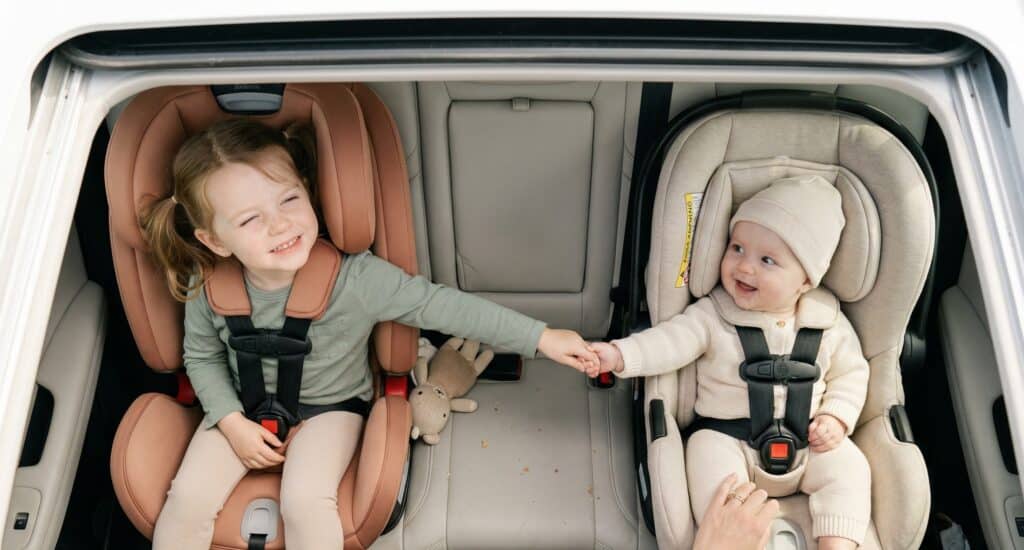
Car seats
Load-leg technology, LATCH systems, extended rear-facing, and rotating seat engineering.
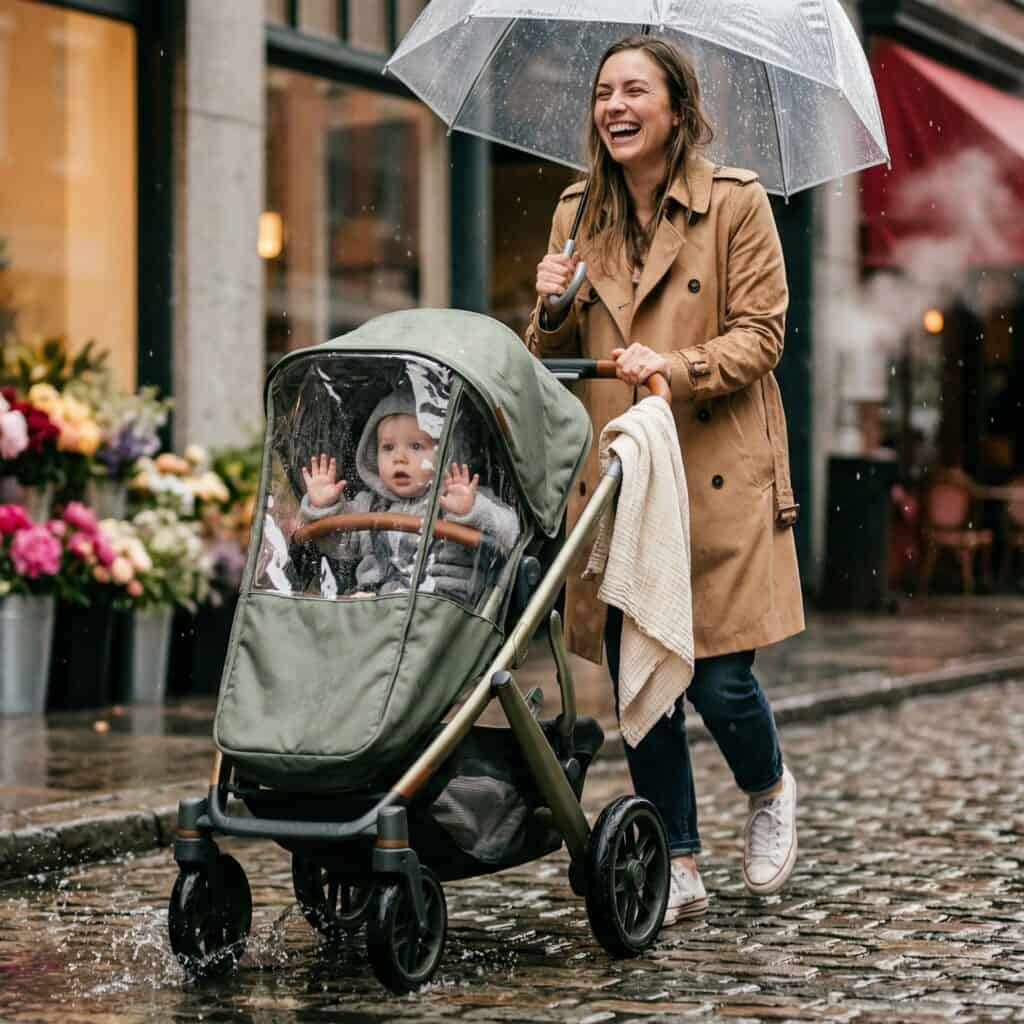
Strollers
All-terrain joggers, compact travel strollers, and modular double systems compared.

Baby carriers and wraps
Hip-healthy structured carriers, breathable wraps, and ring slings reviewed for ergonomics.
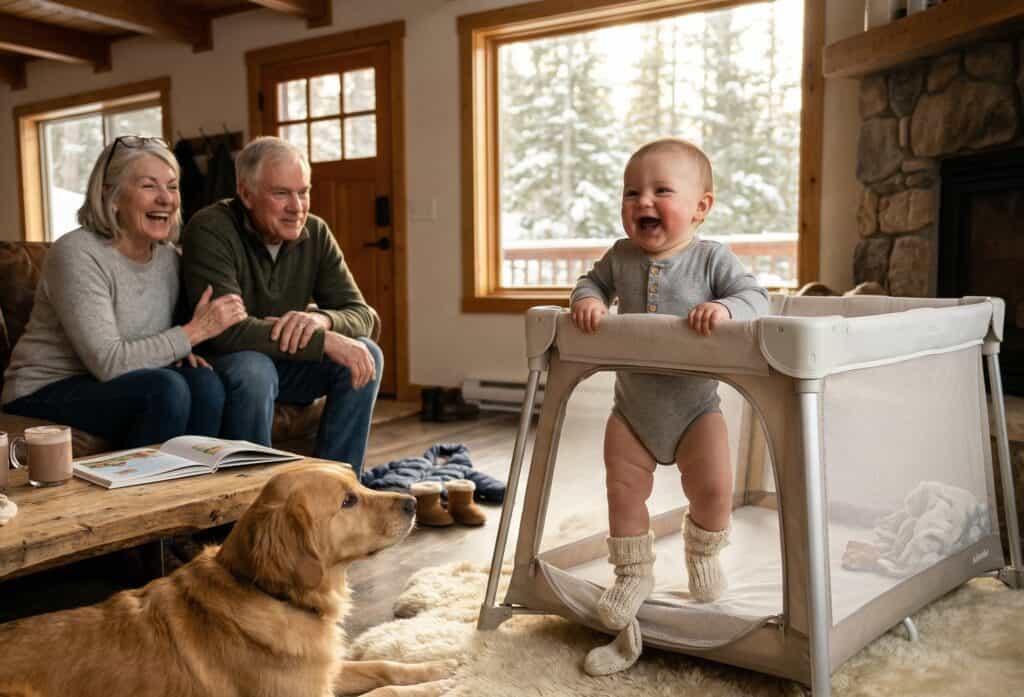
Travel cribs and playards
Portable sleep solutions reviewed for mattress firmness, structural stability, and breathability.
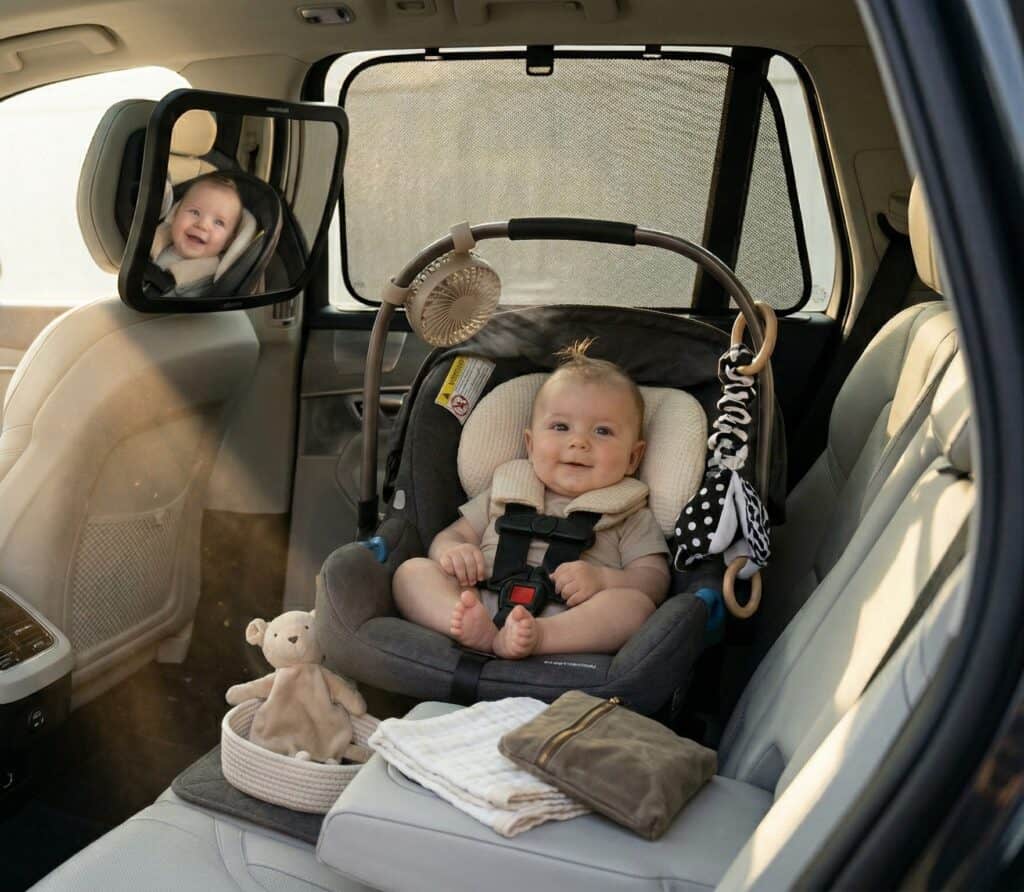
Car seat accessories
Backseat mirrors, seat protectors, headrest supports, travel trays, and car organizers.
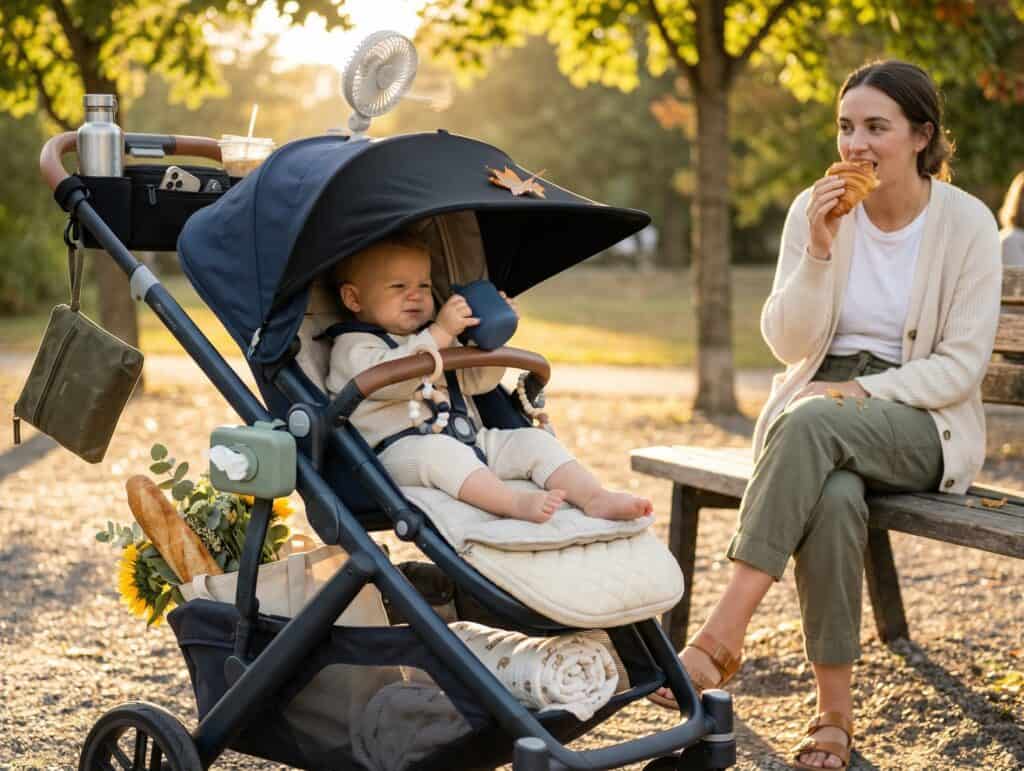
Stroller accessories
Clip-on fans, rain covers, mosquito nets, cup holders, organizer consoles, and footmuffs.

Travel systems and adapters
Car seat + stroller combos, universal adapters, and click-connect compatibility decoded.
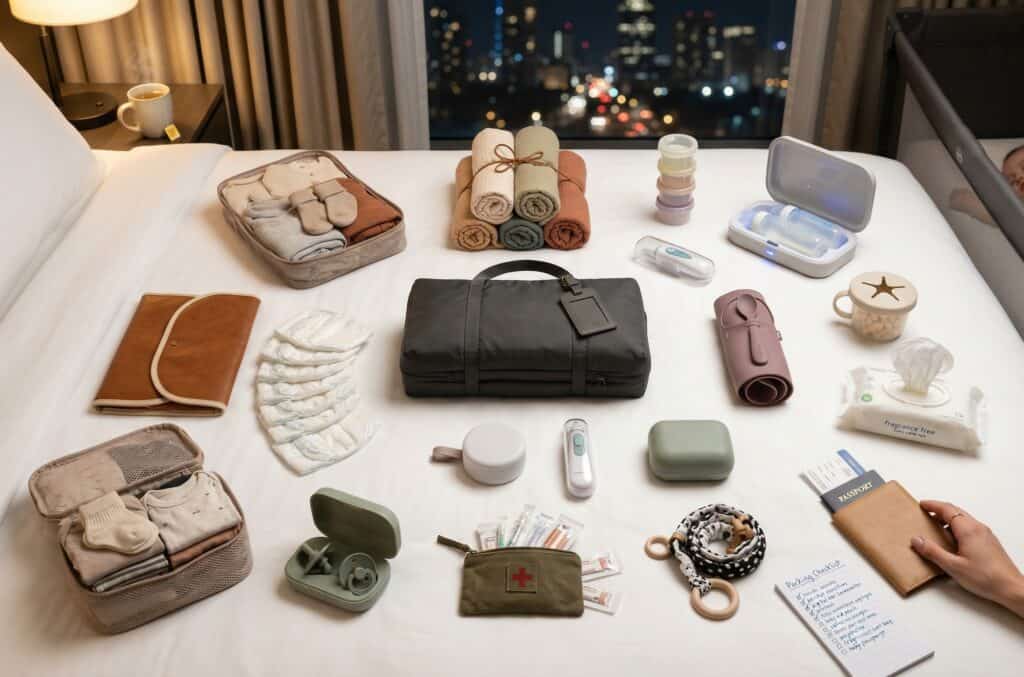
Baby travel essentials
Airplane survival kits, portable sound machines, packing cubes, and TSA-friendly setups.

Bike seats and outdoor carriers
Front and rear bike seats, hiking backpack carriers, and beach wagons for active families.
Car safety and organization
Rear-facing cameras, car seat travel bags for flights, UV window shades, and anti-kick mats.
Prices are dynamic — click any link to see real-time availability and current pricing on Amazon.
Gear and travel FAQs
When should I switch from an infant car seat to a convertible car seat?
By age 1 if possible. In Consumer Reports’ crash testing, a 12-month-old dummy’s head struck the simulated front seatback in nearly 75% of infant seats tested but avoided contact in almost all rear-facing convertibles. Our convertible car seat review covers seats that rear-face to 50 lbs; if your child was premature, ask your pediatrician before switching.
How do I know my car seat is installed correctly?
Per AAP data, more than half of car seats are installed or used incorrectly in at least one meaningful way. A Certified Child Passenger Safety Technician will verify your install free through NHTSA’s inspection program; our step-by-step LATCH installation guide covers the common errors first.
Do I need a travel stroller or a full-size stroller?
A full-size stroller earns its bulk with suspension, storage, and infant car seat compatibility; a compact travel stroller wins for flights and small trunks. Our travel vs. full-size stroller guide maps each to your actual routine.
Are ring slings or structured carriers better for a newborn?
Either can be safe when your baby sits in the hip-healthy “M” position — knees above hips, airway clear. Structured carriers are more forgiving for beginners; ring slings are lighter and quicker on and off — our ring slings vs. structured carriers comparison compares both. If your baby was breech or has other hip dysplasia risk factors, talk to your pediatrician first.
Is a travel crib safe for overnight sleep?
Yes — play yards and travel cribs sold in the U.S. must meet the CPSC-mandated ASTM F406 standard. Treat one like the crib at home: only the firm mattress it ships with, a tight sheet, and nothing else in the sleep space. See our travel crib review and room-by-room vacation safe-sleep guide.
Not sure where to start?
Read our safety breakdowns above, then jump into the buying guide that matches your needs. Or browse Quick Picks to see all our top picks in one place.
Start with safety standardsAll Gear & Travel Guides
- Best Convertible Car Seats: 3 RN-Reviewed Picks
- Flying With a Baby: Essentials Checklist + RN Tips
- Baby Bike Seats: Front vs. Rear + 3 Best Picks (RN)
- Baby Registry Checklist: RN-Approved (+ What to Skip)
- Best Baby Registry Items: 17-Item RN Starter Kit
- Best Car Seat Mirror for Rear-Facing Babies (RN-Reviewed)
- Best Wagon for the Beach: 3 RN-Reviewed Family Picks
- Best Car Seat Stroller Combo: 3 RN-Reviewed Travel Systems
- Best Travel Car Seat Bag: 3 RN-Reviewed Picks
- Best Car Seat Travel Trays for Road Trips (RN-Reviewed)
- Best Double Stroller for Infant and Toddler: 3 Modular Picks
- Best Folding Wagons: RN-Reviewed Cargo Wagon Picks (2026)
- Best Baby Hiking Backpack: 3 RN-Reviewed Carriers
- Best Infant Car Seats: 3 RN-Reviewed Picks with Load Leg
- Best Jogging Strollers: 3 All-Terrain Running Stroller Picks (RN)
- Best Baby Beach Tents for Naps and UV Shade (RN-Reviewed)
- Best Baby Car Camera: 3 RN-Reviewed Rear-Facing Picks
- Best Rotating Car Seats: 3 Back-Saving 360° Picks (RN)
- Best Car Seat Protectors and Kick Mats (RN-Reviewed)
- Best Stroller Fans for Summer Heat: 3 Safe Picks (RN)
- Best Stroller Organizers & Cup Holders: RN-Reviewed Picks
- Best Stroller Mosquito Nets & Rain Covers: RN-Reviewed Picks
- Best Ergonomic Baby Carrier for Newborns: Structured Picks (RN)
- Best Baby Wrap for Summer: Breathable Babywearing Picks (RN)
- Best Travel Cribs for Hotel Stays & Overnight Trips (RN)
- Best Travel Sound Machine for Babies: 3 RN-Reviewed Picks
- Universal Car Seat Adapter for Strollers: Compatibility Guide
- Best Car Sun Shade for Baby: 3 RN-Reviewed UV Picks
- Hospital Bag Checklist: What an RN Actually Packs
- How to Install a Car Seat With LATCH: RN Step-by-Step
- Ring Slings vs Structured Carriers: Which Is Right? (RN)
- Safe Sleep on Vacation: An RN’s Room-by-Room Guide
- Click Connect Compatible Strollers: 3 Best Systems (RN)
- Travel vs Full-Size Stroller: Which Do You Actually Need? (RN)
- Diaper Bag Packing List for Flying: RN’s TSA Guide