
The 3-day potty training method explained: a step-by-step guide (2026)
The 3-day potty training method (sometimes written out as the three day potty training method) is an intensive, immersive approach that replaces diapers with underwear over one focused weekend — and keeps them off. It’s not magic and it’s not effortless, but when executed with a ready toddler and a committed parent, the 3-day potty training method often produces faster results than gradual approaches. The trade-off: you need three consecutive days of undivided attention, a house prepared for accidents, and the emotional patience to stay calm through every single one. Here’s how the method works, day by day, so you can decide if it’s right for your family.
The 3-day potty training method means removing diapers entirely one morning and switching to underwear for three consecutive stay-home days: prompt every 20–30 minutes on Day 1, watch for the first self-initiated potty trips on Day 2, and test a short 30–45 minute outing on Day 3. It works best for toddlers already showing 3–4 readiness signs, and it builds the foundation rather than perfection — expect 1–3 accidents a day for another 1–2 weeks, with full reliability typically arriving 2–4 weeks after the weekend. Nighttime training is separate: keep overnight diapers until your toddler wakes dry consistently.
Essential gear for the 3-day potty training method
Have everything ready before you start — shopping mid-method breaks momentum.
Why trust Pediatric Picks?
This guide synthesizes the original 3-day potty training method approach, AAP developmental readiness criteria, and the clinical judgment of a registered nurse. The recommended potty gear was selected from published specifications and design details rather than in-home use — non-slip base material and a low, wide footprint for stability, manufacturer-listed seat height and opening dimensions, and one-piece moulded interiors with no seams or crevices to clean around.
Potty training gear: side-by-side comparison
These three cover the core setup for the method — a potty chair for proximity, a seat-and-stool combo for training on the adult toilet, and a fold-flat travel potty for Day 3’s outing. For more options in every category, see our full potty seats, stools, and travel potties roundup.

BabyBjörn Potty Chair
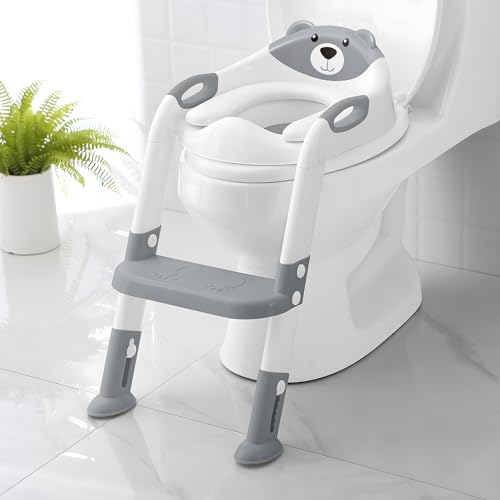
SKYROKU 2-in-1 Seat + Stool

Frida Baby Fold-and-Go
Before you start: is the 3-day potty training method right for your toddler?
The 3-day potty training method works best for toddlers who already show clear readiness signs: staying dry for 2+ hours, showing discomfort with wet diapers, following simple instructions, walking and sitting independently, and expressing interest in the toilet — aligning with the AAP’s toilet training guidelines. If your toddler shows 3–4 of these signs, the 3-day potty training method is likely to succeed. If you’re seeing fewer than 3 signs, a gradual approach will produce less frustration. Read our 5 clinical readiness signs guide to assess where your toddler stands before committing to the 3-day potty training method.
Pre-weekend preparation checklist
Buy 15–20 pairs of training underwear
Your toddler will go through multiple pairs per day during the 3-day potty training method. Cotton training underwear (not pull-ups — pull-ups feel like diapers and confuse the learning signal) in fun patterns your toddler is excited to wear. Let them help pick the designs for buy-in.
Set up 1–2 potty chairs in high-traffic areas
Place a BabyBjörn Potty Chair $31.99 in the living room and one in the bathroom. During the 3-day potty training method, proximity matters — every second between the urge and the potty counts. A potty within 10 steps is the goal.
Stock up on cleaning supplies
Enzyme-based carpet cleaner, paper towels, old towels for floor coverage, and a mop. You will clean multiple accidents per day — accept this before starting the 3-day potty training method. Having supplies within arm’s reach keeps cleanup fast and your frustration low.
Clear your calendar completely
The 3-day potty training method requires 100% of your attention for three consecutive days. No work calls, no errands, no visitors. The parent doing the training needs to be within eyesight of the toddler at all times. Plan meals in advance, cancel obligations, and treat it as a focused project.
Prepare salty snacks and extra fluids
More fluid intake means more opportunities to practice during the 3-day potty training method. Offer salty snacks (crackers, pretzels) that increase thirst, and provide unlimited water and juice. The goal: frequent urination creates frequent practice rounds, accelerating the learning cycle.
The 3-day potty training method at a glance
| Stage | Prompt frequency | Accidents to expect | Main goal | Where |
|---|---|---|---|---|
| Day 1 | Every 20–30 minutes | 5–10 | Connect the sensation to the potty | Home all day |
| Day 2 | Every 30–45 minutes | 2–5 | First self-initiated potty trips | Home all day |
| Day 3 | Before leaving, then as needed | 0–2 on the outing | Real-world test with a 30–45 minute outing | Short trip to a familiar place |
| Weeks 1–4 after | Every 30–45 minutes, tapering off | 1–3 per day, declining | Full daytime reliability | Everywhere — same approach at home and daycare |
Day 1 of the 3-day potty training method: no more diapers
Morning: when your toddler wakes up, remove the overnight diaper and put on underwear. Tell them clearly: “You’re wearing underwear now. When you need to pee or poop, tell me and we’ll use the potty.” Have them sit on the potty for a few minutes right after waking — most toddlers need to go first thing. If they go, celebrate with genuine enthusiasm. If not, no pressure.
The rest of Day 1 in the 3-day potty training method is observation and prompting. Watch your toddler constantly for signs they need to go: squirming, holding themselves, pausing mid-play, facial expressions. Prompt them every 20–30 minutes: “Do you need to use the potty?” If they say no, respect it. If you see clear physical signs, gently guide them to the potty even if they resist.
Accidents will happen — many of them. This is normal and expected on Day 1 of the 3-day potty training method. When an accident occurs, stay completely calm. Say “Oops, pee goes in the potty” in a neutral tone, clean up quickly, change the underwear, and move on. No scolding, no disappointment, no drawn-out discussions. The key learning moment happens when they do use the potty — celebrate that, not the accidents. By end of Day 1, most toddlers are making the connection between the sensation and the potty, even if they’re not consistently getting there in time.
Day 2 of the 3-day potty training method: building the pattern
Day 2 follows the same structure as Day 1 but with a critical shift: your toddler is now beginning to recognize the sensation before it happens, not just during. You’ll notice fewer accidents in the first half of Day 2 compared to Day 1. Continue prompting every 20–30 minutes, but start spacing prompts to every 30–45 minutes as you notice your toddler initiating on their own.
The most important moment in Day 2 of the 3-day potty training method is the first self-initiated trip — when your toddler tells you they need to go or walks to the potty themselves without prompting. This is the breakthrough that signals the method is working. Celebrate it significantly. This self-initiation may only happen once or twice on Day 2, but each occurrence reinforces the behavior pattern.
If Day 2 shows zero improvement over Day 1 (same accident frequency, no self-initiation, increasing resistance), pause and assess. The 3-day potty training method doesn’t work for every child, and continuing past Day 2 with no progress risks creating negative associations. It’s okay to step back, return to diapers, and try again in 4–6 weeks. Readiness, not persistence, determines success — the AAP’s clinical guidance on toilet training emphasizes child-led timing above all else.
Day 3 of the 3-day potty training method: the real-world test
Day 3 introduces a controlled outing — the first time your toddler leaves the house in underwear instead of a diaper. Choose a short trip (30–45 minutes) to a familiar location: a quick grocery run, a trip to the park, or a visit to a relative’s house. Have your toddler use the potty before leaving, pack a Frida Baby Fold-and-Go travel potty $9.99, bring 2 changes of clothes, and keep the outing short.
The Day 3 outing serves two purposes in the 3-day potty training method: it proves to your toddler that underwear is the new normal everywhere (not just at home), and it tests their ability to communicate the need in an unfamiliar setting. Some toddlers have zero accidents on the outing; others have one. Either outcome is normal and productive. The experience of being out in underwear builds confidence that transfers to daycare, grandparents’ houses, and daily life.
By end of Day 3, your toddler should be self-initiating most potty trips at home, having significantly fewer accidents than Day 1, and understanding the concept even if execution isn’t perfect. The 3-day potty training method doesn’t produce perfection in 3 days — it establishes the foundation. Expect 1–3 accidents per day for the next 1–2 weeks as the habit solidifies, with steady improvement. Full reliability typically takes 2–4 weeks after the initial 3-day potty training method weekend.
After the 3 days: maintaining momentum
Keep using underwear during the day — no pull-ups
Switching back to pull-ups after completing the 3-day potty training method signals that diapers are still an option. Keep underwear on during all waking hours. Accidents will happen for 1–2 more weeks, but each one reinforces the learning. The discomfort of a wet accident is part of the training signal.
Continue overnight diapers until nighttime dryness develops
The 3-day potty training method addresses daytime training only. Nighttime bladder control develops separately and much later — often 6–12 months after daytime training succeeds. Keep overnight diapers (like Huggies Overnites $28.49) until your toddler wakes dry consistently for 2+ weeks — our best overnight diapers guide covers the full nighttime lineup. To support the same overnight self-regulation routine and ease early-morning wake windows, see Best OK to Wake Clock 2026: 3 Picks for Early-Rising Toddlers Reviewed.
Communicate the plan to daycare and caregivers
Consistency across environments is critical after the 3-day potty training method. Brief all caregivers on the same approach: underwear only, prompt every 30–45 minutes, celebrate successes, stay calm during accidents. Inconsistency (diapers at daycare, underwear at home) undermines the training within days.
Expect and handle regression calmly
Many toddlers experience a regression period 1–3 weeks after the initial 3-day potty training method — a sudden increase in accidents after a successful streak. This is normal and usually resolves within a few days. Don’t return to diapers. Increase prompting frequency temporarily and maintain the calm, consistent response to accidents.
Frequently asked questions
The 3-day potty training method establishes the foundation in 3 days — not perfection. By end of Day 3, most toddlers understand the concept and are self-initiating some potty trips. Full reliability (fewer than 1 accident per day) typically takes 2–4 weeks of continued practice. The “3 days” refers to the intensive diapers-off period, not a promise of zero accidents by Monday morning.
Active refusal to sit is a strong signal that emotional readiness isn’t present — even if other readiness signs are. If your toddler refuses on Day 1 of the 3-day potty training method, try once more in a low-pressure way. If refusal persists, stop the method. Forcing a resistant child creates a power struggle that can delay training by months. Return to diapers and try again in 4–6 weeks when interest may have developed naturally.
Small, immediate rewards can be effective — a sticker, a small treat, a special dance. The key is that rewards celebrate the behavior (using the potty) immediately, not hours later. Avoid large rewards (toys, screens) that shift motivation from internal satisfaction to external prizes. The goal of the 3-day potty training method is building a habit, and habits rely on internal cues — not bribery. Enthusiastic verbal praise is often the most effective motivator.
Yes — schedule it over a 3-day holiday weekend (like Memorial Day, Labor Day, or a long weekend with a vacation day). The 3-day potty training method requires one dedicated parent with the toddler for three consecutive days. Some families split it: one parent takes Day 1, the other takes Day 2, both share Day 3. The critical requirement is consistency in approach regardless of which parent is leading.
Readiness matters more than the calendar. The method works best when your toddler already shows 3–4 clear readiness signs: staying dry for 2+ hours, discomfort with wet diapers, following simple instructions, walking and sitting independently, and interest in the toilet. The signs — not a birthday — are the trigger. If fewer than 3 signs are present, starting anyway usually means more frustration and a longer timeline than a gradual approach.
No — cotton training underwear only during waking hours. Pull-ups feel like diapers and confuse the learning signal the method depends on: the discomfort of a wet accident is part of the training feedback. The one exception is sleep. Nighttime bladder control develops separately and much later, so keep overnight diapers for naps and bedtime until your toddler wakes dry consistently — see our 12-hour overnight diapers guide for nighttime picks during training.
Expect 5–10 accidents on Day 1, 2–5 on Day 2, and 0–2 during the short Day 3 outing. After the weekend, 1–3 accidents per day for another 1–2 weeks is normal, and a brief regression 1–3 weeks in is common. Don’t return to diapers when regression hits — temporarily increase prompting frequency and keep your responses calm and consistent.
Yes — the core steps are identical, with only minor mechanical differences. Teach boys seated first to feel the sensation, then standing once they reliably recognize the urge; a splashguard helps. Teach girls to wipe front to back. The 3 day potty training timeline and readiness cues don’t change with sex.
Ready for the 3-day method? Start with the right potty
BabyBjörn Potty Chair — the stable, comfortable potty that builds confidence from Day 1.
Check price on Amazon → $31.99Medical disclaimer: Content is for informational and educational purposes only. It does not constitute medical advice or replace professional pediatric consultations. Every child develops differently — consult your pediatrician if you have concerns about your child’s readiness or progress.
- Borowitz SM. Encopresis. Medscape Drugs & Diseases (eMedicine); updated Oct 27, 2023. Fecal incontinence, most often the consequence of chronic constipation and stool withholding rather than a behavioral problem — relevant to readiness-led, non-coercive toilet training.
- Borowitz SM. Pediatric Constipation. Medscape Drugs & Diseases (eMedicine); updated Jun 14, 2023. Childhood constipation centers on infrequent or painful defecation; comfortable, effective toileting and avoiding a painful-stool cycle help prevent stool withholding.