
Ultimate cloth diaper wash & strip routine (2026)
A proper cloth diaper wash routine is the difference between diapers that last years and diapers that stink, repel liquid, and cause rashes within months. Most cloth diaper problems — ammonia smell, reduced absorbency, persistent stains, and mystery leaks — trace back to washing mistakes. This guide covers the daily cloth diaper wash routine that keeps diapers performing, the strip wash that resets them when problems appear, and the sanitize cycle designed to help reduce bacteria when illness strikes. Master your cloth diaper wash routine once, and you’ll rarely fight diaper stink again.
Products that support a bulletproof cloth diaper wash routine
The right inserts, wet bags for storing dirty diapers, and a pocket diaper starter set.
Why trust Pediatric Picks?
This cloth diaper wash routine is built from the wash and care instructions the diaper manufacturers publish for their own products, the dosing guidance printed on mainstream detergent packaging, and the water-hardness and detergent-chemistry references those instructions rely on. Where the manufacturers and the cloth diaper communities disagree — usually about stripping, additives, and softeners — we followed the manufacturer’s published care instructions, because that is what the fabric and the PUL were engineered for and what keeps a warranty intact. This is a synthesis of published guidance read by a critical-care RN, not an in-house laundry trial.
Wash day essentials: our research-backed picks
| Pick | Product | Key strengths | Watch-outs | Price | Where to buy |
|---|---|---|---|---|---|
| Best Insert |  Mama Koala Hemp Insert (6-Pack) |
|
| ~$25.99 | Check price |
| Essential Accessory | 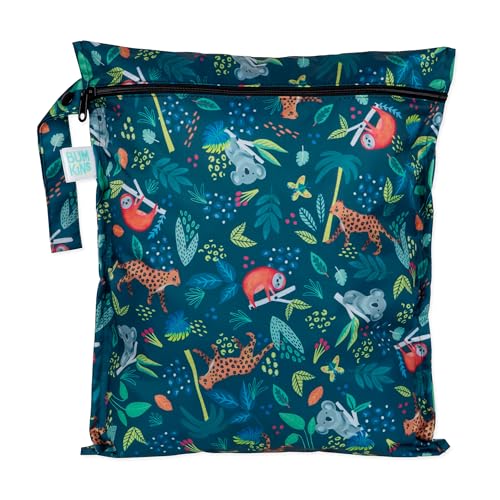 Bumkins Waterproof Wet Bag |
|
| ~$11.95 | Check price |
| Best Starter Set | 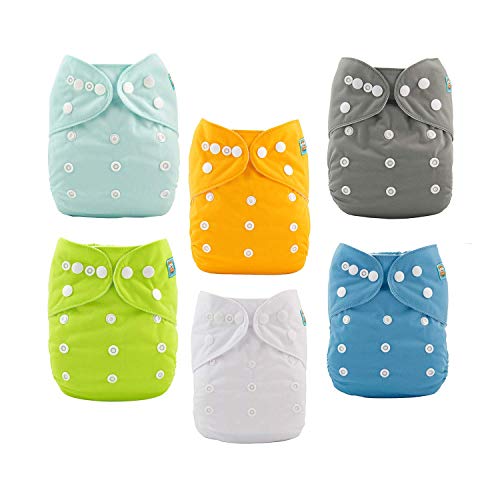 ALVABABY 6-Pack Pocket Diapers |
|
| ~$29.89 | Check price |
Mama Koala Hemp Insert (6-Pack)
Bumkins Waterproof Wet Bag
ALVABABY 6-Pack Pocket Diapers
The standard cloth diaper wash routine
This is the every-other-day routine that keeps cloth diapers clean, absorbent, and odor-free. Follow this cloth diaper wash routine consistently and you’ll avoid most of the problems that cause parents to quit cloth diapering.
Cold pre-wash: remove solids and surface soil
Before the main wash, run a short cold cycle with a small amount of detergent (about half your normal dose). This pre-wash removes solid waste, surface urine, and loose soil so the main wash water starts clean. Without a pre-wash in your cloth diaper wash routine, you’re washing diapers in dirty water — the main cycle can’t get them truly clean because it’s fighting through a layer of waste first.
For breastfed babies: stool is water-soluble and doesn’t need to be removed before washing — it dissolves in the pre-wash. For formula-fed and solid-food babies: knock or spray solids into the toilet before placing diapers in the wash pail. A toilet-mounted diaper sprayer makes this step faster and less messy. The pre-wash is the most commonly skipped step in a cloth diaper wash routine, and skipping it is the #1 cause of persistent stink and staining.
Hot main wash: heavy-duty cycle with full detergent
After the pre-wash drains, run a full hot wash on the heavy-duty or bulky cycle with a full dose of cloth-diaper-safe detergent. This is the cleaning powerhouse of your cloth diaper wash routine — hot water activates detergent, dissolves oils and urine salts, and helps kill bacteria. The heavy-duty cycle provides maximum agitation, which is essential because cloth diapers are thick and densely layered.
Detergent amount matters more than most parents realize. Too little detergent is the most common cloth diaper wash routine mistake — if diapers aren’t getting enough detergent, urine and bacteria remain trapped in fibers, causing ammonia buildup and eventual stink. Use the full recommended dose for a “heavily soiled” load. If your water is hard (high mineral content), you may need even more detergent or a water softener additive to achieve clean results.
Water level also matters. Your machine needs enough water to fully submerge and agitate the diapers freely. If diapers are packed tight with no room to move, they won’t get clean regardless of detergent amount. For top-loaders, the water should cover the diapers by 1–2 inches. For HE front-loaders, add a wet towel to trick the sensor into adding more water if your loads are small.
Extra rinse, then dry completely
Add one extra rinse after the main wash to remove residual detergent from fibers. Detergent residue left in cloth diapers can cause skin irritation and reduce absorbency over time. However, don’t over-rinse — multiple extra rinses can wash out the detergent before it finishes cleaning, leaving urine deposits behind. One extra rinse is the sweet spot in your cloth diaper wash routine.
For drying: hang dry shells and PUL covers to protect the waterproof laminate (heat degrades PUL over time). Inserts can go in the dryer on medium-high heat — the heat helps maintain softness, especially for hemp and bamboo which can stiffen when air-dried. Sunlight is a bonus: hang inserts in direct sun to naturally bleach stains and help reduce residual bacteria. Even 30 minutes of UV exposure makes a visible difference. Complete drying is critical — storing damp diapers breeds mold and mildew that ruins both the diaper and your cloth diaper wash routine effectiveness.
When to strip: resetting your cloth diapers
Signs your diapers need stripping
Ammonia smell when baby pees
If diapers smell like ammonia as soon as your baby urinates (not just after sitting in the pail), urine salts have built up in the fibers. Your standard cloth diaper wash routine isn’t removing all the urine, and a strip wash is needed to dissolve the accumulated deposits. This is the most common reason to strip.
Diapers repelling liquid instead of absorbing
When you pour water on a clean diaper and it beads up or rolls off instead of soaking in, the fibers are coated — usually with detergent residue, fabric softener residue, or mineral buildup from hard water. Repelling means zero absorbency, which means instant leaks. A strip wash removes the coating and restores the cloth diaper wash routine to proper function.
Persistent stink even after washing
If diapers smell sour, musty, or “barnyard-like” even straight out of the washer, bacteria have colonized the fibers beyond what your regular cloth diaper wash routine can handle. Stripping removes the bacterial biofilm; sanitizing (bleach soak) is designed to kill the bacteria themselves. You may need both steps.
Unexplained rash that appears only with cloth
If your baby develops rash specifically when wearing cloth diapers but not disposables, residual detergent, ammonia, or bacteria in the fibers is likely irritating skin. Strip first, then sanitize, then evaluate your cloth diaper wash routine for the root cause — usually too little detergent, not enough water, or skipped pre-wash.
How to strip cloth diapers: step by step
Start with clean diapers — run your normal cloth diaper wash routine first so you’re stripping residue, not washing out waste. Fill your bathtub or a large basin with the hottest water your tap produces. Add a stripping agent: the most recommended option is a combination of washing soda (1 tablespoon), Calgon water softener (1 tablespoon), and regular blue Dawn dish soap (1 teaspoon). Commercial cloth diaper stripping products also work but the DIY combination is equally effective and cheaper.
Submerge the clean diapers and inserts in the hot stripping solution. Agitate by hand for 2–3 minutes to ensure all fibers are saturated. Then let them soak for 4–6 hours, agitating every hour. The water will turn gray, brown, or yellow as deposits dissolve out of the fibers — this is the buildup your regular cloth diaper wash routine wasn’t removing. The darker the water, the more overdue the strip was.
After soaking, drain the tub and wring out excess water. Transfer everything to the washing machine and run a hot wash with detergent followed by 2–3 extra rinses until no suds appear. The diapers should now smell completely neutral — no ammonia, no detergent, no fragrance. If they still smell, repeat the strip. If absorbency issues persist after stripping, the problem may be in your daily cloth diaper wash routine itself — adjust detergent amount, water temperature, or cycle length.
When and how to bleach-sanitize cloth diapers
Sanitizing is different from stripping. Stripping removes buildup; sanitizing is designed to kill bacteria and viruses. The CDC’s cleaning and disinfecting guidelines confirm that properly diluted sodium hypochlorite is effective against common household pathogens. You need to sanitize when: your baby had a yeast rash or bacterial infection, diapers were purchased secondhand, diapers were stored damp and developed mold, or persistent stink survives a strip wash. Sanitizing is not part of your regular cloth diaper wash routine — it’s an occasional reset when biological contamination is the issue.
The method: add 1/4 cup of regular bleach (not splash-less, not scented — plain sodium hypochlorite) to a cold-water wash cycle with clean, stripped diapers. Run a full wash, then follow with 2–3 hot rinse cycles to remove all bleach residue. Bleach is safe for cloth diapers when used correctly and infrequently — it doesn’t damage PUL, elastics, or natural fibers when diluted properly in a full wash cycle. Never pour bleach directly onto diapers; always let the machine dilute it in water first.
After sanitizing, sun-dry everything if possible. Sunlight provides additional UV sanitization that complements the bleach wash. Your diapers should smell completely clean with zero residual odor. Resume your normal cloth diaper wash routine going forward, and address whatever caused the bacterial issue (usually insufficient detergent, too-cool water, or infrequent washing).
Common cloth diaper wash routine mistakes
Not enough detergent
The #1 mistake. Cloth diapers are heavily soiled laundry — they need a full dose of detergent on the heavy-soil setting. Under-dosing leaves urine and bacteria in fibers, causing stink and rash. If your diapers smell after washing, try adding more detergent before anything else in your cloth diaper wash routine.
Using fabric softener
Fabric softener coats fibers with a waxy residue that repels water — the opposite of what cloth diapers need. A single load with fabric softener can ruin absorbency for weeks. Never use fabric softener or dryer sheets on cloth diapers. If accidentally used, strip immediately to restore your cloth diaper wash routine.
Washing in cold water only
Cold water doesn’t dissolve urine salts or activate detergent effectively. Your pre-wash can be cold, but the main wash must be hot (at least 120°F / 49°C). Hot water is essential for a functioning cloth diaper wash routine — it’s non-negotiable for getting diapers truly clean. The EPA’s water conservation guidelines show clothes washers account for roughly a quarter of household indoor water use, but a proper wash routine minimizes waste by getting diapers clean in two cycles instead of repeated re-washes.
Waiting too long between washes
Dirty diapers should be washed every 2–3 days maximum. Longer than 3 days and bacteria multiply exponentially, ammonia concentration increases, and stains set permanently. Store dirty diapers in a dry pail (no soaking) with a Bumkins wet bag liner, and wash within 48–72 hours as part of your cloth diaper wash routine.
Too many extra rinses
One extra rinse after the main wash is sufficient. Multiple extra rinses can wash detergent out before it finishes cleaning, leaving urine deposits behind. Over-rinsing is counterintuitively worse than no extra rinse in your cloth diaper wash routine.
Frequently asked questions
Only when symptoms appear — ammonia smell, repelling, persistent stink, or unexplained rash. A proper cloth diaper wash routine shouldn’t require regular stripping. If you’re stripping more than every 2–3 months, your daily wash routine has an issue that stripping is temporarily masking. Fix the root cause: adjust detergent amount, water temperature, or cycle settings.
Most mainstream detergents work fine if they don’t contain fabric softener or optical brighteners. Free-and-clear formulas are safest. Avoid detergents with built-in softener (like some Tide variants). The cloth diaper community generally recommends Tide Free & Gentle, Seventh Generation Free & Clear, or Arm & Hammer Free & Clear. What matters most in your cloth diaper wash routine is using enough detergent — the brand is less critical than the amount.
Yes, when diluted properly in a full wash cycle and used infrequently. Regular sodium hypochlorite bleach (1/4 cup per load) won’t damage PUL, elastics, or natural fibers. Don’t pour bleach directly onto diapers — let the machine dilute it. Bleach sanitizing is an occasional tool, not a regular part of your cloth diaper wash routine. Follow with thorough hot rinses to remove all residue.
If stripping didn’t resolve the smell, bacteria are the issue — you need to sanitize with bleach after stripping. Strip first to remove the buildup, then bleach-sanitize to kill bacteria. After both steps, evaluate your cloth diaper wash routine: are you using enough detergent? Is your main wash hot enough? Are you washing within 2–3 days? Persistent stink after strip + sanitize almost always points to a daily routine problem that needs correction.
Washing cloth diapers is a two-step cycle, not one long wash: a short cold pre-wash with about half a normal detergent dose to rinse away solids and surface urine, followed by a full hot wash on the heavy-duty cycle with a full dose of cloth-safe detergent. Skipping the pre-wash or under-dosing detergent on the main wash are the two most common reasons parents end up with a cloth diaper wash routine that leaves diapers stinking or leaking. Sun-dry when you can — it helps lift stains without added chemicals.
Build your cloth diaper stash
ALVABABY 6-Pack — the perfect starter set to practice your wash routine before going all-in.
Check price on Amazon →Medical disclaimer: Content is for informational and educational purposes only. It does not constitute medical advice or replace professional pediatric consultations.
- Zabawski EJ. Irritant Contact Dermatitis. Medscape Drugs & Diseases (eMedicine); updated Aug 11, 2025. Nonallergic skin inflammation caused by direct chemical damage to the epidermis, including cumulative irritation from soaps and repeated exposure.
- Agrawal R. Diaper Dermatitis (Diaper Rash). Medscape Drugs & Diseases (eMedicine); updated Jun 30, 2025. Irritant diaper dermatitis from overhydration, maceration and prolonged urine/feces contact; Candida commonly complicates the rash after 48–72 hours and with antibiotic use.