
Top diaper pails for small nurseries (2026)
Not every nursery has room for a full-sized diaper pail. Apartments, shared bedrooms, closet-converted nurseries, and compact changing stations all need diaper pails for small nurseries that deliver real odor control without claiming precious floor space. We compared published footprints, sealing systems, and refill costs to find the compact models that actually fit beside a crib or changing table without getting in the way — because the best diaper pails for small nurseries are the ones you forget are there.
Our top 3 diaper pails for small nurseries
Compact footprint, real odor control, and no wasted space — here are the best picks for tight nurseries.
Why trust Pediatric Picks?
We evaluated diaper pails for small nurseries across five criteria: physical footprint (width, depth, and total floor area consumed), capacity-to-size ratio (how many diapers per square inch of floor space), odor containment in a small enclosed room, ease of use in tight spaces (can you operate it with one hand next to a crib?), and ongoing bag/refill costs.
We specifically looked at whether the pail’s lid mechanism (sliding, lifting, or foot pedal) could operate without bumping into adjacent furniture.
Best diaper pails for small nurseries: comparison
| Pick | Product | Key strengths | Watch-outs | Price | Where to buy |
|---|---|---|---|---|---|
| Slimmest Profile | 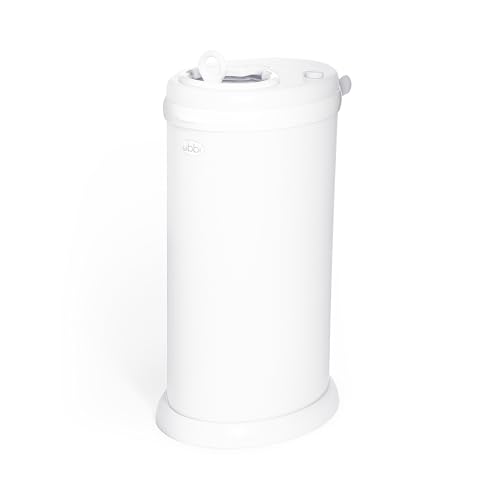 Ubbi Steel Diaper Pail |
|
| $69.99 | Check price $69.99 |
| Smallest Footprint |  Diaper Dekor EKO Classic |
|
| $47.99 | Check price $47.99 |
| Budget Compact | 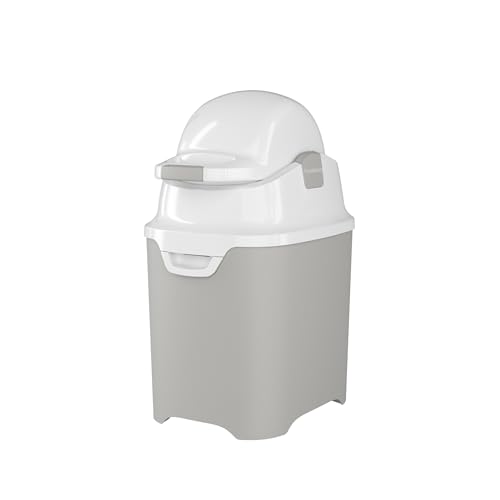 Foundations Mini Diaper Pail |
|
| $59.99 | Check price $59.99 |
Ubbi Steel Diaper Pail
Check price on Amazon $69.99
Diaper Dekor EKO Classic
Check price on Amazon $47.99
Foundations Mini Diaper Pail
Check price on Amazon $59.99
Ubbi Steel Diaper Pail — full review
The Ubbi Steel Diaper Pail earns the top spot among diaper pails for small nurseries because of its uniquely slim profile. At just 8.4 inches wide, the Ubbi slides into narrow gaps — between the crib and wall, beside a dresser, or in the corner of a closet changing station — where wider pails simply won’t fit. Despite the narrow footprint, it holds up to 55 newborn diapers, delivering the best capacity-to-width ratio of any pail we reviewed.
In a small nursery, odor control matters even more than in a larger room. There’s less air volume to dilute smells, and the pail is always within arm’s reach. The Ubbi’s powder-coated steel construction and rubber gasket seals are designed to help contain odor in enclosed spaces. The Ubbi’s sealed steel construction and rubber gasket seals are designed to limit odor escape when the lid is closed — a performance advantage that’s amplified in compact environments where diaper pails for small nurseries need to work harder.
The sliding lid is worth noting for small spaces: it opens upward rather than outward, meaning it doesn’t swing into adjacent furniture. However, you’ll need 3–4 inches of vertical clearance above the pail, so avoid placing it directly under a low shelf. The lack of a foot pedal is the one compromise — but in a tight nursery where floor space around the pail is limited, a foot pedal can actually be harder to access than a simple hand-slide.
Check price on Amazon → $69.99
Diaper Dekor EKO Classic — full review
The Diaper Dekor EKO Classic is the narrowest hands-free diaper pail with a foot pedal that we recommend for small nurseries. If you need 100% hands-free operation in a tight space — because you’re holding the baby while disposing of the diaper — the Dekor Classic delivers that with a simple step-drop-done mechanism you can operate one-handed.
The eco-credentials set the Dekor EKO Classic apart from other diaper pails for small nurseries. It’s made from 70% GRS-certified post-consumer recycled materials, and the closed-cell ABS plastic is specifically engineered to resist odor absorption — addressing the biggest complaint about plastic diaper pails. The continuous liner refill system is clever for small-space users: instead of removing a full bag (which can be messy in a tight room), you cut off only the soiled section and tie a new knot, minimizing the disruption.
The trade-off for small size and foot-pedal convenience is the proprietary refill system. Dekor Classic refills cost roughly $7 each (about $29 for a 4-pack) and hold approximately 495 newborn diapers. The refill cost adds up over time, but the convenience factor — especially the hands-free operation and minimal bag-change disruption — is worth it for parents who prioritize ease of use in compact diaper pails for small nurseries. After diaper days end, remove the trap door and the Classic converts into a sleek bathroom or laundry trash can.
Check price on Amazon → $47.99
Foundations Mini Diaper Pail — full review
The Foundations Mini is the diaper pail for small nurseries that costs the least in ongoing refills — zero, because it uses any standard trash bag. While the upfront price is higher than the Dekor Classic, the total cost of ownership over 2.5 years of diapering is significantly lower since you’ll never buy a proprietary refill.
Foundations built their reputation in commercial childcare settings, and that durability shows. Each pail is rated for over 10,000 open-and-close cycles — roughly 4 years of daily use — and backed by a one-year warranty. The airtight lid design uses a weighted chute mechanism: lift the handle, drop the diaper in, and the weighted system automatically releases it into the bag below while sealing the compartment. It’s simple, mechanical, and has no parts to break.
The capacity trade-off is real: the Foundations Mini holds approximately 30 newborn diapers, which means emptying every 2–3 days for a newborn going through 10–12 diapers daily. For parents who prefer frequent emptying (which is generally recommended for hygiene), this is actually an advantage — smaller bags are lighter and easier to remove in a compact space. For families who want to go 4–5 days between empties, the larger-capacity Ubbi or Dekor EKO Classic are better diaper pails for small nurseries.
Check price on Amazon → $59.99
How to choose a small diaper pail for your nursery
Here’s what matters most when space is limited:
Measure your actual space first
Before buying, measure the exact gap where the pail will live. Note the width, depth, AND height clearance (for lid opening). Diaper pails for small nurseries need to fit without blocking walkways, crib access, or changing table drawers. The Ubbi at 8.4 inches wide fits spaces most pails can’t.
Lid mechanism matters in tight spaces
Foot pedals need floor clearance in front of the pail. Flip-top lids swing outward and may hit walls. Sliding lids (Ubbi) and drop-through systems (Foundations) have the smallest operating envelope. Choose based on where adjacent furniture is positioned.
Odor control is amplified in small rooms
In a 9×10 foot room, any odor leak is immediately noticeable. Steel diaper pails for small nurseries outperform plastic in enclosed spaces because steel resists odor absorption over time. If budget allows, prioritize steel or closed-cell plastic over standard plastic.
Consider emptying frequency vs. capacity
Larger capacity means fewer trips to the trash but a heavier, smellier bag when you do empty. In a small nursery, a smaller pail emptied every 2–3 days actually keeps the room fresher than a large pail emptied once a week. Don’t over-prioritize capacity — freshness matters more in compact spaces.
Frequently asked questions
The Diaper Dekor EKO Classic and the Ubbi Steel are the two narrowest diaper pails covered here, both close to 8 inches wide. The Foundations Mini is wider but has the smallest diaper capacity (30), so it needs more frequent emptying — a fair trade in a small room, since a partially-full pail smells less. All three fit in spaces where full-sized pails like the Diaper Genie Complete won’t.
You can, but you’ll notice the difference in odor control within 24 hours. Dedicated diaper pails for small nurseries have rubber gaskets, trap doors, or sealed compartments that standard trash cans lack. In a small room, even minor odor leakage is obvious. A regular trash can works as a short-term solution if you empty it after every single change, but that defeats the convenience purpose.
Counter-intuitively, no. Smaller diaper pails for small nurseries often smell better because they get emptied more frequently. A pail holding 30 diapers emptied every 2 days contains much fresher waste than a pail holding 55 diapers emptied once a week. The seal quality matters more than the capacity for odor control.
Within arm’s reach of the changing area but not directly under the crib or next to the baby’s sleep space. The ideal spot is beside or just behind the changing table, against a wall. Avoid placing diaper pails near air vents or heaters, which circulate air and can spread any odor that escapes. In very small rooms, some parents tuck the pail in a closet with the door slightly ajar.
Every two to three days, even when it isn’t full. A nursery diaper pail sits a few feet from where your baby sleeps, and a small room has very little airflow to dilute odor. Emptying often also keeps the bag light enough to lift out cleanly from a tight corner.
Our #1 pail for small nurseries: Ubbi Steel
At just 8.4 inches wide, it’s one of the slimmest full-capacity pails available — steel odor control in a space-saving package.
Check price on Amazon → $69.99
Prices and availability: Prices shown reflect typical Amazon pricing as of April 2026 and may vary. Click any product link for the current price.
Medical disclaimer: Content is for informational and educational purposes only. It does not constitute medical advice or replace professional pediatric consultations.