
Best hypoallergenic diapers for sensitive skin (2026)
Many infants experience recurring diaper rash — and for many, the culprit isn’t poor hygiene but irritants hiding inside standard diapers: fragrances, lotions, chlorine, and latex. Finding the best hypoallergenic diapers means choosing products specifically engineered to protect your baby’s delicate skin barrier while still delivering reliable leak protection. We analyzed ingredients, compared manufacturer absorbency specifications, and consulted pediatric dermatologist guidelines to find the safest options.
Our top 3 hypoallergenic diapers at a glance
Short on time? After analyzing ingredients against published dermatology guidance, these are the best hypoallergenic diapers we recommend for rash-prone babies.
Do you actually need a hypoallergenic diaper?
Short answer: only some babies truly need one. If your baby has never reacted to a standard diaper, a fragrance-free mainstream option like Pampers Swaddlers is plenty. Reach for a dedicated hypoallergenic diaper — the fully additive-free Huggies Skin Essentials is my first pick — when there is a real skin signal: diagnosed eczema, a rash that traces the diaper’s elastic and waistband lines, or a flare every time you use a scented brand.
Why trust Pediatric Picks?
We evaluated the best hypoallergenic diapers across five criteria drawn from published dermatology guidance and manufacturer documentation: ingredient safety (presence of fragrances, lotions, chlorine, latex, parabens, and phthalates), skin barrier protection (moisture-wicking design and breathability), absorption capacity per manufacturer specifications, dermatological certifications, and alignment with published guidance on diaper rash prevention.
Every diaper below was cross-referenced against the American Academy of Dermatology guidelines for contact dermatitis in infants and verified for active recall status against the CPSC recall database. We prioritized hypoallergenic diapers for sensitive skin that carry independent dermatologist approval and third-party safety certifications — not just marketing labels.
Best hypoallergenic diapers: side-by-side comparison
| Pick | Product | Key strengths | Watch-outs | Price | Where to buy |
|---|---|---|---|---|---|
| Top Pick | 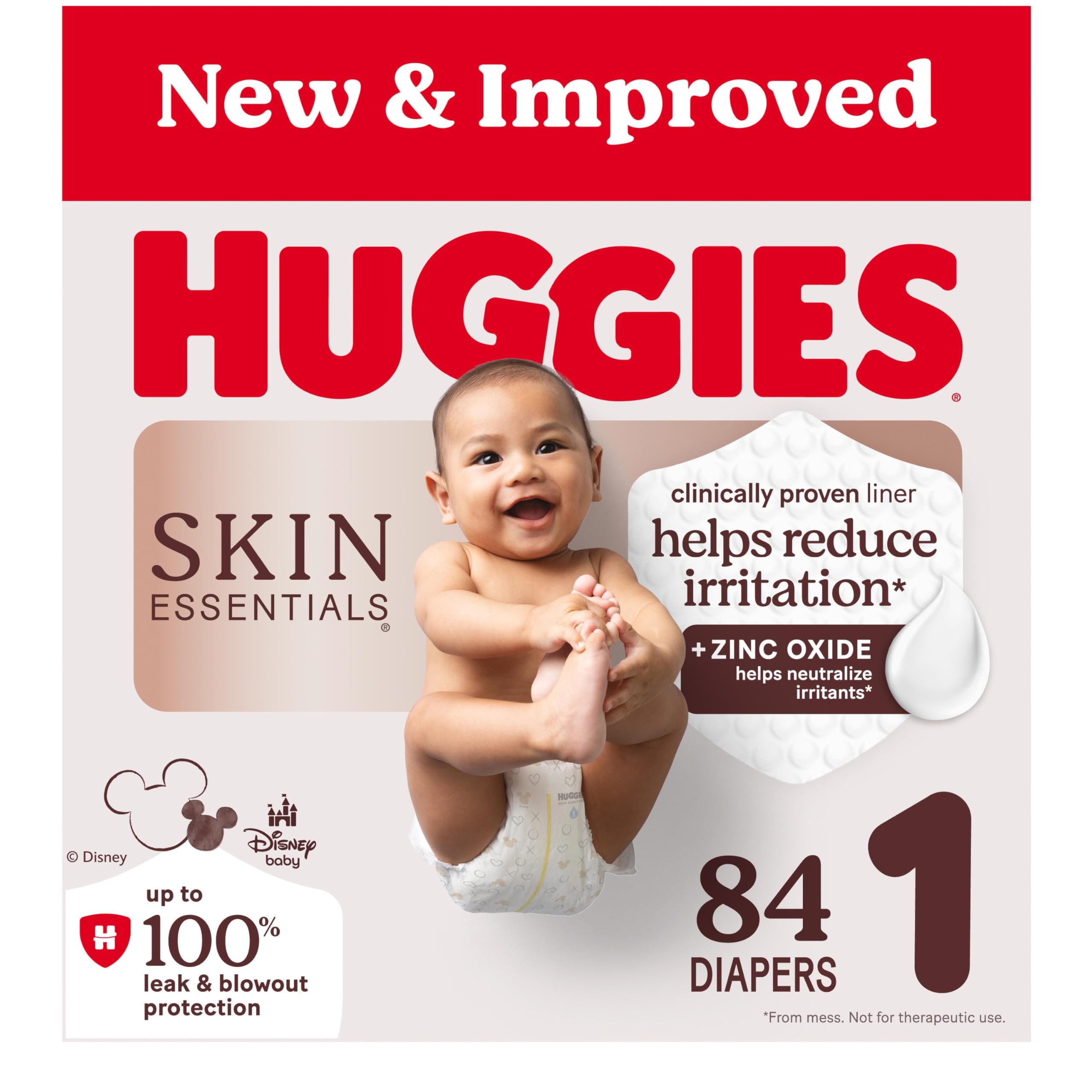 Huggies Skin Essentials |
|
| $28.22 / 84ct (Size 1) | Check price $28.22 |
| Best Value | 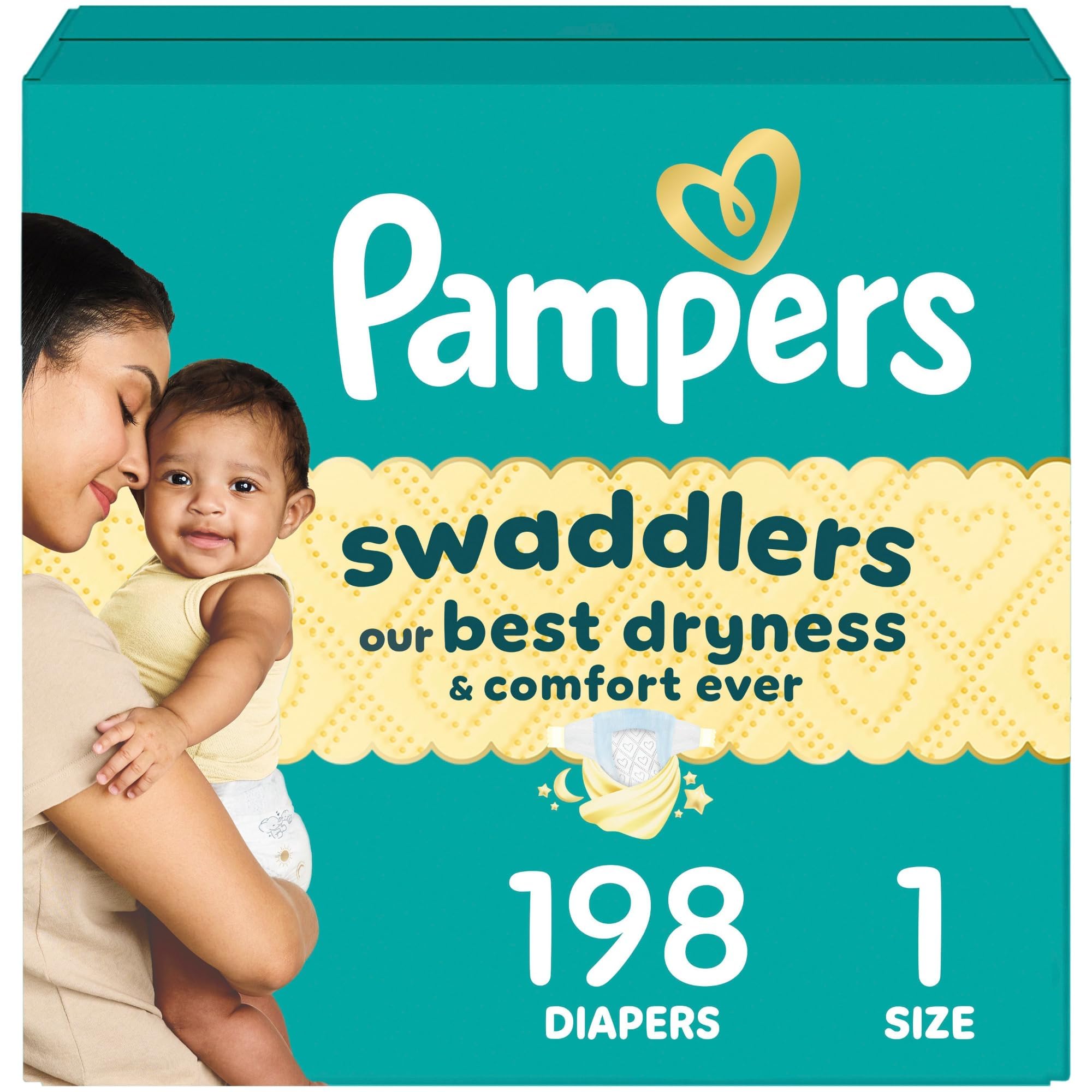 Pampers Swaddlers |
|
| $49.77 / 198ct (Size 1) | Check price $49.77 |
| Best Plant-Based | 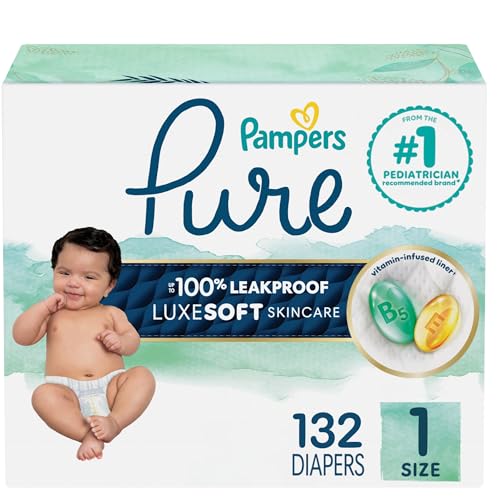 Pampers Pure Protection |
|
| $46.49 / 132ct (Size 1) | Check price $46.49 |
Huggies Skin Essentials
Check price on Amazon $28.22
Pampers Swaddlers
Check price on Amazon $49.77
Pampers Pure Protection
Check price on Amazon $46.49
Huggies Skin Essentials — full review
Huggies Skin Essentials represents a genuine innovation among the best hypoallergenic diapers available today. The standout feature is their proprietary SkinProtect Liner enriched with zinc oxide — the same active ingredient pediatric dermatologists recommend in barrier creams. This isn’t just a passive barrier; Huggies states this zinc-oxide liner is designed to neutralize irritants from urine and stool on contact, not just block moisture.
The ingredient exclusion list is the most comprehensive among major brands. Skin Essentials are completely free of fragrance, lotion, parabens, phthalates, elemental chlorine, and natural rubber latex. Critically, they’re the only leading national brand that is entirely fragrance-free across every variant — other brands may have fragrance-free “sensitive” lines while their main products contain scent.
The 100% breathable outer cover allows air circulation while maintaining leak protection, which is essential for babies with eczema or contact dermatitis where trapped moisture accelerates flare-ups. For parents dealing with persistent rashes that won’t resolve with cream alone, switching to a fragrance- and lotion-free diaper like Skin Essentials is often a sensible next step.
Check price on Amazon → $28.22
Pampers Swaddlers — full review
Pampers Swaddlers is widely used in hospital NICUs across the United States, and that clinical pedigree matters when you’re looking for the best hypoallergenic diapers safe for newborn skin. Swaddlers are clinically proven hypoallergenic and free of parabens, elemental chlorine, and natural rubber latex. The KeepDry Liner wicks moisture away from the skin surface quickly, and the Blowout Barrier provides rear protection. The American Academy of Pediatrics notes that fast moisture-wicking is one of the most important factors in preventing diaper rash.
What makes Swaddlers the best value rather than the top pick for sensitive skin specifically is the included lotion layer. While the lotion is dermatologist-tested and safe for most babies, it means Swaddlers are not completely additive-free. For babies with diagnosed eczema or confirmed contact sensitivity, the fragrance-free and lotion-free hypoallergenic diapers like Huggies Skin Essentials are clinically preferred.
That said, for the vast majority of babies with generally sensitive skin (not diagnosed conditions), Swaddlers provide excellent protection at the lowest cost-per-diaper of the three options reviewed here. The 198-count Size 1 case lasts most families about 4 weeks at typical newborn change frequency. The umbilical cord notch on newborn sizes is a thoughtful touch that prevents irritation on healing navels — a feature neither of the other two options offer.
Check price on Amazon → $49.77
Pampers Pure Protection — full review
Pampers Pure takes a plant-forward approach to hypoallergenic diapers for sensitive skin. The liner is enriched with vitamins and shea butter to actively moisturize and protect the skin barrier during wear — a fundamentally different philosophy from Huggies’ zinc oxide approach. Where Huggies neutralizes irritants, Pampers Pure nourishes skin to strengthen its natural defenses.
The LockAway Core technology is one of Pampers’ strongest features, keeping the diaper surface dry across multiple wettings. For sensitive skin, dryness is paramount — prolonged moisture contact is the #1 cause of diaper dermatitis. Pampers Pure is also free of fragrance, elemental chlorine, parabens, and latex, and the manufacturer states it is clinically proven to protect against the main causes of diaper rash: overhydration, friction, pH imbalance, and mess on skin.
At roughly $0.36 per diaper, Pampers Pure is the most expensive of our three picks — but the premium reflects the plant-based liner formulation and the inclusion of skin-nourishing vitamins. The one consideration: the shea butter in the liner, while beneficial for most babies, could theoretically trigger a reaction in babies with extremely rare tree nut sensitivities. If your baby has known nut allergies, consult your pediatrician first.
Check price on Amazon → $46.49
How do you choose diapers for babies with sensitive skin?
Before you buy, here are the key factors that separate the best hypoallergenic diapers from marketing claims:
Ingredient exclusion list
The most important factor. Truly hypoallergenic diapers for sensitive skin should be free of fragrance, lotion, parabens, phthalates, elemental chlorine, and natural rubber latex. Check whether the brand is free of these across ALL variants, not just their “sensitive” line. The same fragrance-free, additive-avoidance mindset applies to everything that touches your baby’s skin — see our guide to the best baby lotion ingredients and which to avoid.
Breathability and moisture management
A breathable outer cover allows airflow while the inner liner wicks moisture away from skin. Trapped moisture is the #1 cause of diaper rash — even the gentlest ingredients won’t help if the diaper holds moisture against skin.
Dermatological certifications
Look for diapers approved by dermatologists or certified by the Skin Health Alliance. Third-party testing matters more than brand self-claims. OEKO-TEX and EWG certifications add additional credibility.
Chlorine processing
“Elemental Chlorine Free” (ECF) is good but “Totally Chlorine Free” (TCF) is better. Chlorine bleaching can leave trace dioxins — a concern for babies with compromised skin barriers who are more susceptible to chemical absorption.
How to switch your baby to a hypoallergenic diaper
Switching brands when your baby already has an angry bottom is where most parents go wrong — they change five things at once and never learn what actually helped. Here is the sequence I walk parents through.
1. Calm the existing rash first
Before you judge any new diaper, treat the current rash for a couple of days with a zinc barrier cream and extra air time. A diaper cannot heal skin that is already broken down — you want a clean baseline so you can actually tell whether the switch is working.
2. Change one variable at a time
Swap the diaper OR the wipes OR the cream — not all three the same day. If you change everything and the rash clears, you will never know whether it was the fragrance-free diaper or the new wipes, and you will overpay for products you did not need.
3. Give it a real 3-day trial
A true irritant rash from a diaper usually improves within 2–3 days of moving to a fragrance-free option like Huggies Skin Essentials. If nothing has changed by day four, the diaper probably is not the culprit — look at wipes, cream, or a possible yeast component.
4. Rule out fit before you blame the brand
Red pressure lines at the waist or thighs look like a “reaction” but are usually just a too-small diaper. Size up before you decide a brand does not agree with your baby.
5. Step down to fully additive-free if a “gentle” diaper still flares
Swaddlers carry a light lotion layer and Pampers Pure adds shea butter — both fine for most babies, occasionally too much for eczema skin. If a hypoallergenic diaper still irritates, move to the zero-additive Huggies Skin Essentials before assuming diapers are not the problem.
Quick answers: How long until you see improvement? Usually 2–3 days on a fragrance-free diaper. Do you have to wash or prep a disposable first? No. Can you mix brands week to week? Yes — just not on the same day you are testing a change, or you lose the signal.
The best rash creams and wipes to pair with a sensitive-skin diaper
The diaper is only one of the things sitting against your baby’s skin all day. These three pairings do the most to keep sensitive skin clear, and each is chosen to match the picks above rather than fight them.
Fragrance-free zinc oxide barrier cream
A thin layer of a high-percentage zinc oxide paste at each change mirrors what makes the Huggies Skin Essentials SkinProtect liner work — zinc neutralizes irritants instead of just blocking moisture. Pick a paste with no fragrance or essential oils. Check fragrance-free zinc creams on Amazon → Fit tip: use it preventively at bedtime, not only once a rash has already appeared.
Fragrance-free water wipes
This is the most overlooked irritant on the whole changing table — a fragrance-free diaper is undone by a scented wipe dragged across skin at every single change. Water-based wipes with no fragrance and no alcohol are the safest match for the diapers above. Check fragrance-free water wipes on Amazon → Fit tip: during an active flare, plain warm water on a cotton cloth is gentler still.
Petrolatum overnight barrier ointment
For the long overnight stretch, a plain petrolatum-based ointment seals the skin and works with the Pampers Pure LockAway core to keep moisture off through the night. Look for a fragrance-free, short-ingredient formula. Check fragrance-free barrier ointments on Amazon → Fit tip: for the heaviest overnight wetters, apply it over your zinc cream, not instead of it.
Frequently asked questions
The best hypoallergenic diapers are formulated to minimize the risk of allergic reactions. This means being free of common irritants like fragrances, lotions, chlorine bleaching, latex, parabens, and phthalates. Look for products with independent dermatologist testing and third-party safety certifications rather than just brand marketing claims.
Yes. Babies with diagnosed eczema need hypoallergenic diapers that are completely free of all additives — including lotions and shea butter that regular “sensitive” diapers may contain. The best hypoallergenic diapers for eczema are those with zero additives touching skin, maximum breathability, and fast moisture-wicking to prevent the overhydration that triggers eczema flares.
In many cases, yes. If your baby’s rash appears in patterns that match diaper elastic lines or coverage areas, the diaper itself is likely the irritant. Switching to a fragrance-free, hypoallergenic diaper often resolves the rash within 2-3 days. If the rash persists, consult your pediatrician — it may be a yeast infection requiring antifungal treatment.
Not automatically. “Plant-based” describes the material source, not the skin safety profile. A plant-based diaper with added fragrance is worse for sensitive skin than a synthetic hypoallergenic diaper without fragrance. Focus on the ingredient exclusion list and dermatological certifications rather than marketing terms like “natural” or “organic.”
No. Being fragrance- and lotion-free has nothing to do with absorbency. All three picks here meet the same core absorbency specs as their standard counterparts, and the Pampers Pure LockAway core is rated up to 100% leakproof in the manufacturer’s own testing. When a hypoallergenic diaper leaks, it is almost always a fit or size issue — not the “hypoallergenic” formula.
Yes, and it matters more than most parents expect. A wipe is pulled across the exact skin you are trying to protect at every change, so a scented or alcohol-based wipe can trigger a rash even when the diaper itself is spotless. Pair a fragrance-free diaper with a fragrance-free water wipe — matching only one of the two leaves an open door.
Every 2 to 3 hours during the day, and immediately after any stool, no matter which diaper you use. Prolonged moisture and stool contact is the number one cause of diaper dermatitis, and no hypoallergenic formula can out-run a diaper left on too long. Overnight, a high-absorbency pick like Pampers Pure buys you a longer safe stretch, but a soiled diaper still needs a change right away.
Our #1 pick: Huggies Skin Essentials
The zinc oxide-enriched SkinProtect Liner, completely additive-free formula, and 100% breathable cover make this the best hypoallergenic diaper for sensitive skin in 2026.
Check price on Amazon → $28.22
Prices and availability: Prices shown reflect typical Amazon pricing as of April 2026 and may vary by size and pack count. Click any product link for the current price.
Medical disclaimer: Content is for informational and educational purposes only. It does not constitute medical advice or replace professional pediatric consultations.
- Silverberg NB. Pediatric Contact Dermatitis. Medscape Drugs & Diseases (eMedicine); updated Mar 19, 2026. Contact dermatitis affects at least a quarter of children; irritant injury damages the protective upper epidermis, and skin protection with emollients is advised.
- Helm TN. Allergic Contact Dermatitis. Medscape Drugs & Diseases (eMedicine); updated Jun 24, 2026. Delayed-type (type IV) hypersensitivity to a specific contact allergen such as fragrance or nickel, producing erythema, edema and vesiculation.
- Zabawski EJ. Irritant Contact Dermatitis. Medscape Drugs & Diseases (eMedicine); updated Aug 11, 2025. Nonallergic skin inflammation caused by direct chemical damage to the epidermis, including cumulative irritation from soaps and repeated exposure.
- Berg RW, Milligan MC, Sarbaugh FC. Association of skin wetness and pH with diaper dermatitis. Pediatr Dermatol. 1994;11(1):18-20. Across four diaper trials involving 1,601 infants, higher skin wetness and higher skin pH were each significantly associated with more severe diaper dermatitis, with skin wetness the stronger factor.
- Akin F, Spraker M, Aly R, Leyden J, Raynor W, Landin W. Effects of breathable disposable diapers: reduced prevalence of Candida and common diaper dermatitis. Pediatr Dermatol. 2001;18(4):282-290. Breathable (microporous) diaper covers significantly lowered the prevalence of overall and Candida-associated diaper dermatitis compared with non-breathable diapers.
- American Academy of Pediatrics. Why is my baby always getting diaper rashes? HealthyChildren.org. Advises changing diapers every 3-4 hours and as soon as they are soiled and keeping the area clean and dry; notes some infants react to dyes, fragrances, or preservatives in diapers, wipes, and creams.