
Glass vs Plastic Bottles for 2026
Glass vs plastic bottles is one of the most-debated decisions new parents face — and most of what you read online is half-right. After a research-driven review of one bottle from each material category against published specs and verified owner feedback, three picks stood out as the right answer depending on your priorities: Dr. Brown’s Anti-Colic Options+ Glass ($28 for a 4-pack, the safest material with built-in anti-colic vent), Philips Avent Natural with Natural Response Plastic ($25 for a 4-pack, the best modern plastic with breast-shaped nipple), and Comotomo Silicone Bottle ($25 for a 2-pack, the squeezable hybrid that’s neither glass nor plastic). The hard truth most reviews skip: per the peer-reviewed Nature Food study from Trinity College Dublin, polypropylene plastic bottles release up to 16.2 million microplastic particles per liter when sterilized and filled with hot water.
That doesn’t mean modern plastic bottles are dangerous — the FDA banned BPA in baby bottles in 2012 and bottle safety standards are higher than ever — but it does mean glass and silicone have measurable advantages for parents who want to minimize chemical exposure. Per the American Academy of Pediatrics, all bottle types sold in the US meet safety standards for infant feeding. If your baby has colic or reflux, see our best anti-colic bottles guide — some material choices come with built-in venting. For combo-feeding families, our bottles for breastfed babies guide covers nipple-shape priorities that matter more than material.
The best glass baby bottles — plus the plastic and silicone alternatives
The right answer to the glass vs plastic bottles question depends on priorities: the premium glass option with built-in anti-colic protection, the modern plastic standard with breast-shaped nipple for combo-feeding, and the squeezable silicone hybrid that splits the difference between materials.
Safety first: BPA-free does not mean chemical-free
The FDA banned bisphenol A (BPA) from baby bottles in 2012, but plastic safety isn’t binary. Modern BPA-free plastics may still contain BPS, BPF, or phthalates, which research suggests have similar hormone-disrupting effects. Polypropylene baby bottles also shed microplastics when heated — up to 16.2 million particles per liter at sterilization temperatures, per the Nature Food study. The risk levels at infant doses haven’t been fully characterized, but parents who want to minimize chemical exposure should consider glass or food-grade silicone. Older plastic bottles (pre-2012, recycle code #7 PC) may still contain BPA — replace any inherited or hand-me-down plastic bottles. Avoid microwaving plastic bottles and don’t use scratched or cloudy plastic bottles, since damaged surfaces leach more chemicals.
How we evaluated glass vs plastic bottles
Glass vs plastic bottles testing without standardized criteria is just opinion. We evaluated three FDA-compliant picks across measurable criteria covering safety, real-world performance, and value:
Material safety and certifications. The glass vs plastic bottles safety story starts with FDA registration, BPA-free certification, published third-party lead-testing reports where they exist for a given bottle, and microplastic-release evidence from the published Nature Food research. We verified each pick’s certifications directly from manufacturer documentation, not retailer claims.
Real-world durability and ergonomics. We compared published material specs — borosilicate versus ordinary glass, polypropylene, medical-grade silicone — along with each manufacturer’s dishwasher and sterilizer ratings, bottle weight, and what owners consistently report about breakage, clouding, and hand fatigue during 30-minute feeds. The breakability concern with glass is real but often overstated: borosilicate behaves very differently from the thin household glass parents picture.
Cleaning, sterilization, and long-term hygiene. We compared each manufacturer’s published sterilization instructions and stated replacement intervals. Plastic develops wear patterns differently than glass, and silicone differently from both — which is why published guidance on when to retire a bottle differs by material. Between wash cycles, a dedicated rack keeps parts organized and mold-free — see our best bottle drying racks picks.
Glass vs plastic bottles: side-by-side comparison
| Pick | Product | Key strengths | Watch-outs | Price | Where to buy |
|---|---|---|---|---|---|
| Top Pick |  Dr. Brown’s Glass Options+ |
|
| $27.96 | Check price $27.96 |
| Best Plastic | 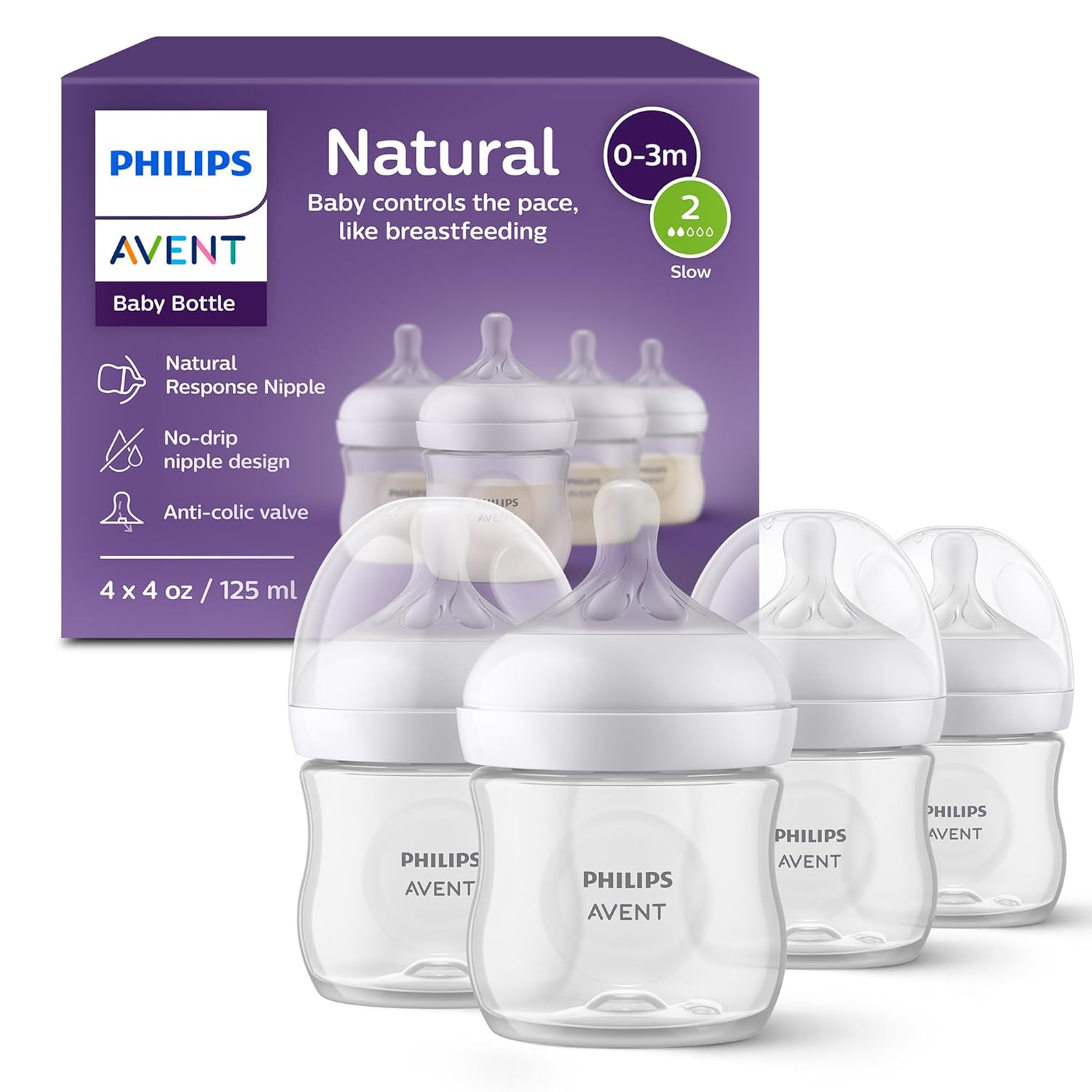 Philips Avent Natural |
|
| $26.12 | Check price $26.12 |
| Silicone Hybrid | 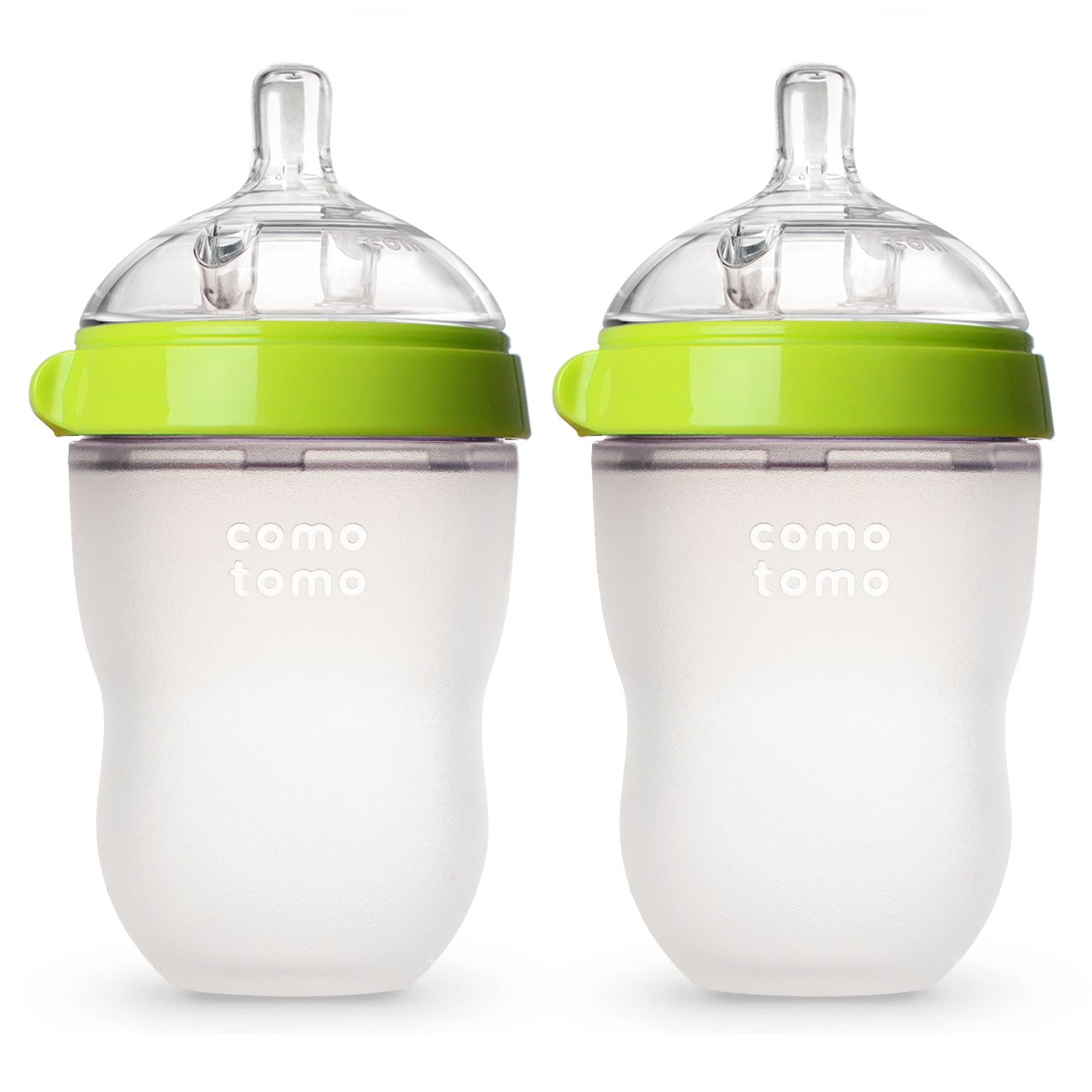 Comotomo Silicone |
|
| $24.99 | Check price $24.99 |
Dr. Brown’s Glass Options+
Philips Avent Natural
Comotomo Silicone
Dr. Brown’s Glass Options+ — full breakdown
Dr. Brown’s Anti-Colic Options+ Narrow Glass is the answer when you want the safety of glass without giving up the patented internal vent system behind the line Dr. Brown’s markets as its #1 pediatrician-recommended bottle. The bottle is borosilicate glass — thermal shock resistant, meaning it can go from refrigerator to bottle warmer without cracking. Critically, glass doesn’t shed microplastics at any temperature, eliminating the exposure concern that the Nature Food study identified for polypropylene plastic bottles. The borosilicate glass body itself contains no BPA, BPS, or phthalates.
Durability is the honest worry with any glass bottle, and borosilicate is the answer to it: it is meaningfully tougher and far more thermal-shock resistant than ordinary glass, and the wide neck spreads an impact better than the thin-walled glass bottles parents remember breaking. It is still glass. It will still break on a tile floor if you drop it hard enough. It is the same two-piece vent Dr. Brown’s uses in its plastic Options+ bottles, so choosing glass does not mean trading the vent away.
The trade-off is weight and cost. Each glass bottle weighs roughly 2x the plastic version, which matters during 30-minute feeds and especially during travel when you’re packing 6+ bottles. The $28 4-pack price is also higher than the $20 plastic equivalent — about 30% more for the same vent technology in glass. For home use where you control the environment, the glass premium is worth it. For daycare bags, diaper bags, and travel, many parents resolve the glass vs plastic bottles question by mixing — glass at home, plastic on the go. Cleaning is dishwasher-safe with all components, same as the plastic version.
Philips Avent Natural — full breakdown
Philips Avent Natural with Natural Response is the best modern plastic option in the glass vs plastic bottles comparison. The Natural Response nipple is the standout feature — it has a unique opening that only releases milk when baby actively sucks, then pauses when baby pauses to swallow and breathe. This mimics breastfeeding physics more closely than any other plastic bottle nipple we reviewed, which is why it’s the consensus pick for combo-feeding families. The wide breast-shaped base reduces nipple confusion when transitioning between breast and bottle.
Material safety meets all current FDA standards: BPA-free polypropylene, per Philips Avent’s published material specifications. The honest trade-off is the microplastic question. Per the Nature Food study, polypropylene bottles shed measurable microplastics at sterilization temperatures — especially when heated above 70°C. The mitigation strategy is clear: rinse bottles with cool sterilized water after sterilization before adding warm milk, prepare formula in a non-plastic container before transferring, and don’t microwave the bottle. The Nature Food authors reported that steps like these substantially reduce microplastic release. For safe, even heating without the microwave, our best bottle warmers guide covers models that handle both glass and plastic.
Durability is where plastic gives ground. Polypropylene clouds, scratches, and holds odor across months of dishwasher cycles in a way glass simply does not — that permanence is the whole argument for glass, and it is why plastic bottles carry a replacement interval and glass does not. A more recent Natural Response update addressed the plastic-thinning critique from earlier reviews. At about $25 for a 4-pack, the per-bottle cost is competitive with Dr. Brown’s plastic anti-colic and cheaper than the glass version. For families committed to the Avent ecosystem (breast pump compatibility matters), this is the natural pick.
Comotomo Silicone — full breakdown
Comotomo Silicone is the answer in the glass vs plastic bottles debate for parents who want neither the breakability concerns of glass nor the microplastic concerns of plastic. The bottle body is medical-grade silicone — the same class of food- and medical-grade material used in pacifiers, breast pump parts, and implantable devices. Silicone doesn’t shed microplastics, doesn’t leach BPA or phthalates, and is far less likely to crack or shatter on impact than glass or hard plastic. The squeezable body also collapses slightly as baby drinks, which mimics breast physics — and breastfed babies are widely reported by parents to accept it readily during the bottle transition.
Durability is the clearest win here. Glass and hard plastic both crack, chip, or scratch on a tile floor; silicone deforms on impact and springs back rather than shattering the way glass or hard plastic can. For families with older toddlers, daycare scenarios, or grandparent visits where bottles inevitably get dropped, the durability advantage is meaningful. Cleaning is the easiest of any bottle type we reviewed — the wide-neck opening is large enough to fit a hand inside, eliminating the need for specialized bottle brushes for daily cleaning.
The trade-offs are real. Comotomo doesn’t have an internal anti-colic vent system, which makes it less effective than Dr. Brown’s for severe colic cases. Nipple flow options are more limited — just slow, medium, and fast versus Dr. Brown’s six levels including preemie. The silicone body is also less rigid than glass or plastic, which can make standing the bottle on counters slightly less stable. At about $25 for a 2-pack, the silicone body is the priciest per bottle of our three picks, but its drop resistance and material safety are what you are paying for. For breastfed babies and families who prioritize material safety plus durability, this is often the best overall pick despite the smaller feature set.
5 things to know about glass vs plastic bottles
Modern plastic bottles are FDA-safe but not chemical-free
The FDA banned BPA from baby bottles in 2012 and all plastic bottles sold in the US must be BPA-free. But “BPA-free” doesn’t mean “chemical-free” — modern plastics may still contain BPS, BPF, or phthalates with similar hormone-disrupting effects. The microplastic-shedding question identified in peer-reviewed Nature Food research is also unresolved at infant exposure levels.
Glass vs plastic bottles: glass avoids bottle-borne microplastic shedding
The glass vs plastic bottles material question matters most for parents who want to minimize chemical exposure. Glass is chemically inert — it doesn’t shed microplastics at any temperature, doesn’t leach BPA/BPS/phthalates, and doesn’t develop scratches that harbor bacteria. Borosilicate glass specifically is thermal-shock resistant, meaning refrigerator-to-warmer transitions don’t crack the bottle.
Glass vs plastic bottles: silicone is the third option most parents overlook
Medical-grade silicone bottles like Comotomo offer the safety profile of glass with the durability of plastic. Silicone doesn’t shed microplastics the way heated polypropylene does, resists cracking on impact, and doesn’t develop the surface degradation that affects long-term plastic safety. The trade-off is fewer feature options — most silicone bottles don’t have advanced anti-colic venting systems.
Bottle weight matters for long feeds and travel
Glass bottles weigh roughly 2x plastic bottles — meaningful during 30-minute feeds when parents hold the bottle for the entire duration. For home use, the weight is rarely a problem. For travel, daycare bags, and diaper bags, plastic or silicone is genuinely easier. Many families resolve the glass vs plastic bottles question by mixing — glass at home, lighter materials for portability.
Replace damaged bottles regardless of material
Per AAP and FDA guidance, all bottles should be replaced when they show damage. Plastic bottles with cracks, deep scratches, or cloudiness leach more chemicals and harbor bacteria. Glass bottles with chips or cracks are a safety hazard. Silicone bottles with tears or visible discoloration should be replaced. Inspect bottles weekly during cleaning, and don’t inherit hand-me-down bottles older than 5 years — pre-2012 plastic may contain BPA. And when your toddler is ready to move past bottles entirely, our best transition cups guide covers the next stage of drinkware.
Glass vs plastic bottles: frequently asked questions
The glass vs plastic bottles safety question has a marginal but measurable answer: yes, glass is safer. Glass doesn’t shed microplastics, doesn’t leach BPA/BPS/phthalates, and doesn’t develop surface degradation that affects long-term safety. The peer-reviewed Nature Food research showed polypropylene plastic bottles release up to 16.2 million microplastic particles per liter when heated to sterilization temperatures. The actual health impact at infant exposure levels isn’t fully characterized, but glass eliminates the question entirely. For parents who want to minimize chemical exposure, glass or medical-grade silicone are the safer choices.
Less often than parents fear — one of the most overstated concerns in the glass vs plastic bottles debate. Modern baby glass bottles use borosilicate or tempered glass, significantly tougher than household glass. Both borosilicate and tempered glass are made to resist mechanical and thermal shock, which is why bottle makers use them instead of ordinary soda-lime glass. Hard plastic bottles can crack too, though there is no published head-to-head breakage testing that compares the two fairly. That said, glass does break under harder impacts — a silicone sleeve adds protection at minimal cost and weight. For daycare or aggressive toddlers, plastic or silicone is more practical.
No — the AAP and FDA both advise against microwaving plastic bottles. Microwave heating creates uneven hot spots that can burn baby’s mouth, and high temperatures accelerate microplastic shedding and chemical leaching from plastic bottles. Glass survives microwave heating better than plastic, but the AAP advises against microwaving breast milk or formula in any container — the uneven heating that creates scalding hot spots is a property of the liquid, not the bottle. Warm bottles in a bottle warmer or a warm water bath instead, regardless of material. The temperature control is more reliable and the safety risks are lower.
Replace plastic bottles every 4–6 months or sooner if they develop cloudiness, scratches, or cracks. Replace glass bottles immediately if chipped or cracked. Replace silicone bottles every 4–6 months or when tears appear. Inspect nipples regularly and replace any bottle nipple at least every 2–3 months regardless of material since nipple wear creates choking hazards. The glass vs plastic bottles longevity difference is significant — well-maintained glass bottles can last through multiple children, while plastic bottles realistically last one feeding cycle. Silicone bottles fall in between for replacement frequency.
Medical-grade silicone is generally considered as safe as glass for chemical exposure, making it the third option in the glass vs plastic bottles debate. It’s used in FDA-regulated medical devices, doesn’t shed microplastics, doesn’t leach BPA or phthalates, and resists temperature extremes better than plastic. The trade-off is fewer feature options — most silicone bottles don’t have advanced anti-colic vent systems. For families who don’t need anti-colic features and want material safety plus durability, silicone is often the best of the three options. Comotomo is the most established silicone bottle brand on the US market.
For a newborn, nipple flow and venting matter more than the bottle body. Dr. Brown’s Glass Options+ is the strongest newborn pick here — it accepts preemie and level-1 slow-flow nipples, and its vent helps with the gas and spit-up common in the first weeks. Start on the slowest flow and size up only when feeds stretch past 30 minutes.
Yes, with brand-specific compatibility. Most major glass bottles (Dr. Brown’s, Philips Avent, Lifefactory) are compatible with their respective brand’s breast pumps and bottle warmers. Cross-brand compatibility is less reliable — a Dr. Brown’s glass bottle may not thread onto an Avent breast pump. The standard bottle-warmer fit is universal since warmers are designed for the bottle exterior, not threading. If breast pump compatibility matters, choose a glass bottle from the same brand as your pump.
Usually, yes — on longevity alone. Glass runs roughly 30% more than equivalent plastic up front, but plastic realistically needs replacing every 4–6 months, while well-kept glass can last through multiple children. If the price stings, do what many families do: glass at home, a cheaper plastic or silicone bottle for the diaper bag.
Our #1 pick: Dr. Brown’s Glass Options+
The combination of borosilicate glass safety with the same internal anti-colic vent system Dr. Brown’s uses in its plastic Options+ line. The glass vs plastic bottles question becomes simpler when one pick gives you both material safety and the vent.
Check price on Amazon → $27.96Medical disclaimer: Not medical advice. Bottle material selection should be made with a pediatrician when feeding-specific concerns exist (allergies, reflux, prematurity). The information here is educational and reflects current clinical guidance as of the last review date. Consult HealthyChildren.org (AAP) for additional pediatric guidance.
Prices: Reflect typical Amazon pricing as of April 2026 and may vary. Pack sizes occasionally change — verify on the linked product page before ordering. Comotomo released a Gen 2 update in 2026; this guide’s pick and pricing reflect the current Gen 2 (2026) release.
- Baradaran A. Thermal Burns. Medscape Drugs & Diseases (eMedicine); updated Oct 23, 2023. Scald burns from hot liquids and steam are a common thermal-injury mechanism, and young children’s thin skin is burned by briefer, cooler exposures than adults.
- Warshawsky ME. Foreign Body Aspiration. Medscape Drugs & Diseases (eMedicine); updated Mar 5, 2024. Foreign body aspiration can be a life-threatening emergency — a large object obstructing the airway can cause asphyxia — and the aspirated object is most often food.