
Postpartum Recovery Essentials an RN Actually Recommends (Weeks 1–6)
Every registry on the planet is stacked for the baby. Almost none account for the person who just delivered that baby — someone with a healing wound (there is always a wound), a steep hormone drop, and roughly four minutes a day for herself. This guide to postpartum recovery essentials is written from a nurse’s perspective: what actually supports recovery in weeks 1–6, what’s expensive noise, and exactly which symptoms mean you stop reading reviews and call your OB.
The structure is chronological. Weeks 1–2 are wound care: peri bottles, disposable underwear, lanolin — cheap, unglamorous, essential. Weeks 3–6 are when skin, hair, and identity maintenance matter again, and that’s where the mom-care picks earn their place. Recovery timelines differ between vaginal and C-section deliveries (details below), and ACOG now recommends OB contact within the first 3 weeks — not the old “see you at six weeks” model. Building a registry? Pair this with our baby lotion ingredients guide and gentle baby wash reviews.
Postpartum recovery essentials: top picks for weeks 1–6
The hair-repair treatment for the most-asked postpartum appearance question, the fragrance-free moisturizer for skin the hormones just abandoned, and the registry-worthy splurge that makes an actually useful “for mom” gift.
Check price on Amazon $34.00
Check price on Amazon $24.99
Check price on Amazon $135.00
Red-flag symptoms: stop reading and call your OB
No product on this page treats a complication. Call your OB or midwife the same day — or go to the ER — for any of these in the first six weeks: bleeding that soaks a pad in an hour or clots larger than a golf ball; fever of 100.4°F (38°C) or higher; foul-smelling lochia; an incision or perineal repair that gets increasingly red, warm, swollen, or drains; severe headache, vision changes, or new face/hand swelling (postpartum preeclampsia can develop after delivery, even with a perfect pregnancy blood pressure); pain or swelling in one calf. Chest pain or trouble breathing is 911, not a phone call.
One more, as serious as the bleeding: thoughts of harming yourself or your baby, or baby blues still heavy past two weeks, are medical symptoms — not character flaws. Call your OB, call or text 988, or reach Postpartum Support International. The CDC’s Hear Her campaign keeps the full warning-sign list — put it on your partner’s phone too.
What weeks 1–6 actually look like — vaginal vs. C-section
Weeks 1–2 (both): Lochia starts bright red and heavy, tapering toward pink then yellowish-white over four to six weeks. Afterpains spike during nursing as oxytocin contracts the uterus down. This fortnight is wound care, hydration, stool softeners, and fragmented sleep — not a skincare era.
Vaginal delivery: Perineal soreness and swelling; a tear or episiotomy repair needs the respect of any sutured wound — peri-bottle rinse after every bathroom trip, pat dry front-to-back, ice and time. Most repairs feel dramatically better by weeks 3–4.
C-section: Major abdominal surgery and a baby on the same day. Expect lifting restrictions (nothing heavier than your baby until your OB clears you), no driving while on prescription pain medication, and daily incision checks — hard to see over a postpartum belly, so hand your partner a phone camera and make it their job. Core strength and incision-area numbness take months, not weeks.
Weeks 3–6 (both): Bleeding tapers, the fog thins, and the skin and hair consequences of the estrogen cliff arrive — this is when the mom-care items below stop being clutter and become the five minutes a day that make you feel like a person. Put the week-3 OB contact and 12-week comprehensive visit on the calendar before the baby comes.
Postpartum recovery essentials: side-by-side comparison
| Pick | Product | Key strengths | Watch-outs | Price | Where to buy |
|---|---|---|---|---|---|
| Top Pick |  Olaplex Nº.3PLUS Hair Repair Pre-Shampoo Treatment |
|
| $34.00 | Check price $34.00 |
| Best Everyday |  La Roche-Posay Toleriane Double Repair Face Moisturizer |
|
| $24.99 | Check price $24.99 |
| Best Gift for Mom | 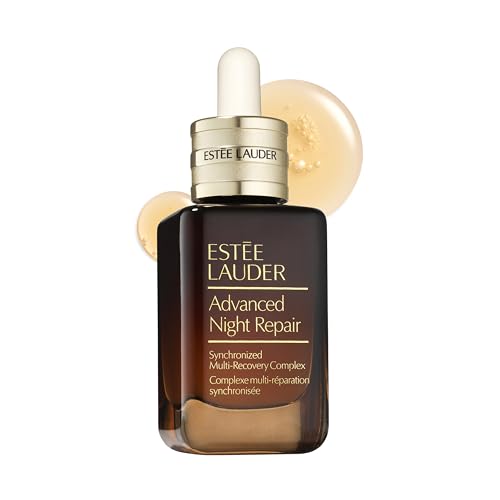 Estée Lauder Advanced Night Repair Face Serum |
|
| $135.00 | Check price $135.00 |
Olaplex Nº.3PLUS Hair Repair Pre-Shampoo Treatment
Check price on Amazon $34.00
La Roche-Posay Toleriane Double Repair Face Moisturizer
Check price on Amazon $24.99
Estée Lauder Advanced Night Repair Face Serum
Check price on Amazon $135.00
Olaplex Nº.3PLUS Hair Repair — why it leads this list
The physiology first, because knowing it is half the reassurance: pregnancy estrogen holds extra hair in its growth phase; after delivery that support drops and a larger-than-usual share of follicles shift into shedding together. The shower-drain clumps that start around month three are called telogen effluvium — extremely common, self-resolving, with most mothers back to baseline by the first birthday. Patchy loss, scalp symptoms, or heavy shedding past a year deserve a mention at your postpartum visit.
So why a hair product at all? Because shedding is half the problem — breakage is the other half. Postpartum hair gets washed less, dry-shampooed more, and lives in a ponytail a tiny human yanks daily. Olaplex Nº.3PLUS is a fast pre-shampoo treatment (apply to wet hair in the shower, leave on 3 minutes, rinse, then shampoo) built around repairing broken bonds in the hair shaft. It won’t change what follicles do — no honest product claims to — but it changes how much of your remaining hair snaps mid-shaft. Three minutes in the shower before your regular shampoo, and a bottle used every few washes lasts months: of the mom-care tier, it’s the item I’d put in every third-trimester cart.
Check price on Amazon → $34.00
La Roche-Posay Toleriane — the whole routine in one jar
Postpartum facial skin is frequently drier and more reactive than its owner remembers — hormones again — and the wrong move is layering actives onto a compromised barrier. The right move for weeks 1–6 is boring: gentle cleanse, then a ceramide-based fragrance-free moisturizer, twice a day, done. Toleriane is that moisturizer — deliberately short ingredient list, no fragrance to transfer to the newborn on your chest, and the same barrier-support logic dermatology offices reach for with any irritated skin. It layers under sunscreen without pilling and costs less than half the trend products it replaces.
Pair it with the Caudalie Beauty Elixir Mist (about $49 on Amazon $49.00) if you want one genuinely indulgent step — a two-second face mist you can use one-handed over a sleeping baby. Essential? No. A thing that takes two seconds and makes you feel human, within reach of the nursing chair? In my experience of what actually gets used: yes.

Check price on Amazon → $24.99
Estée Lauder & Augustinus Bader — what to tell gift-givers
There is always a grandmother, aunt, or work friend who wants to spend real money and asks what the new mother needs. The honest answer — a night nurse and a casserole — doesn’t fit in a gift bag, so here’s the tier that does. Estée Lauder Advanced Night Repair is the safe call: one pump at night, a formula iterated for decades rather than invented for an algorithm. Augustinus Bader The Cream (about $195 on Amazon $195.00) is the maximal version — a single do-everything moisturizer for the giver who wants “the best one.” The logic matters more than the jar: a new mother spends freely on the baby and almost nothing on herself, so the highest-value gift is the one she’d never buy. An Amazon Baby Registry lets you list mom-care right beside the diapers where gift-buyers will actually see it.

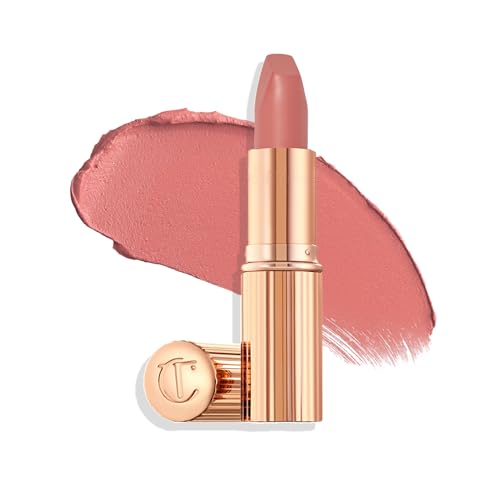
One smaller gift with the same “you’re still a person” weight: Charlotte Tilbury Pillow Talk (about $37 $37.00). A single flattering lip color is the entire “five-minute face” of the fourth trimester, and it’s a can’t-get-it-wrong pick.
Check price on Amazon $37.00
Check price on Amazon → $135.00
When you’re ready for real skincare again: acids, masks, and the OB conversation
Around week four, a subset of mothers wants their actual skincare back. The nurse framing: if you’re breastfeeding, run your actives list past your OB before restarting. Retinoids stay shelved for most nursing mothers (none of the picks below contain them), and while topical exfoliating acids are generally regarded as a lower-concern category, “generally regarded” is not a substitute for a 30-second question at your 3-week check. Ask — it’s what the visit is for.
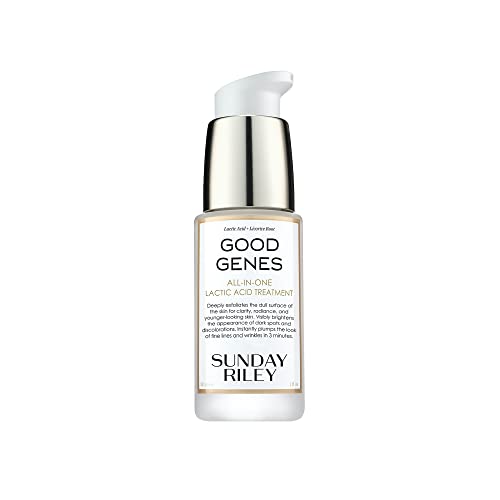
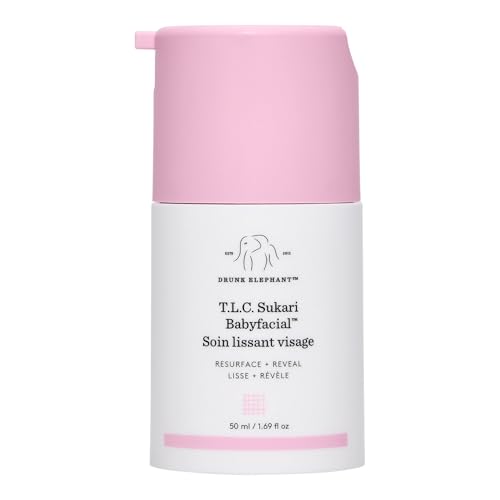
With that cleared, four re-entry points. Paula’s Choice 2% BHA Exfoliant (about $30 $37.00) is the workhorse for the clogged-pore, dry-shampoo-adjacent texture of the fourth trimester — start twice a week, not daily. Sunday Riley Good Genes (about $72 $85.00) is the lactic-acid brightener for the “I look how I feel” weeks. For a once-a-week reset, Drunk Elephant Sukari Babyfacial (about $80 $80.00) is the strong option — 20 minutes, ideally while someone else has the baby — and Tata Harper Resurfacing Mask (about $58) is the gentler version of the same ritual.

Check price on Amazon $37.00
Check price on Amazon $85.00

Sequencing note from someone who reads labels for a living: reintroduce one active at a time, a week apart, on barrier-repaired skin (see Toleriane above). Reactive postpartum skin will tell you quickly — you want to know which product it’s answering.
5 things to know before buying postpartum recovery essentials
1. Weeks 1–2 are wound care — buy the unglamorous kit first
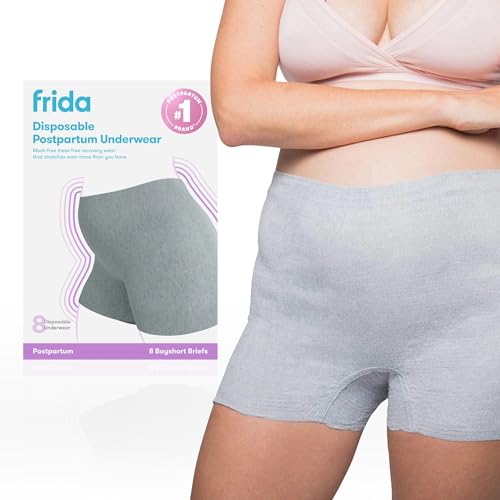
Before any serum, stock the hospital-bag tier: the Frida Mom Peri Bottle $13.99 (about $14 — the angled spout matters more than you think), Frida Mom Disposable Underwear $11.89 (about $12), and if nursing, Lansinoh HPA Lanolin $21.66 (about $21) plus Medela Ultra-Breathable Nursing Pads $12.67 (about $12). This ~$60 of supplies does more for actual recovery than everything else on this page combined.

Check price on Amazon $11.89


2. C-section recovery runs on a longer clock
Abdominal surgery means lifting restrictions, a driving pause on prescription pain medication, and daily incision checks. The weeks 3–6 self-care window here often lands closer to weeks 5–8 after a cesarean — normal. Your OB’s clearance, not a calendar, decides when exercise, driving, and lifting resume.
3. Nursing changes the ingredient math
A newborn spends hours a day with their face against your skin. That’s why this list skews fragrance-free for daily-contact items, keeps retinoids off entirely, and flags every exfoliating acid for an OB conversation. It’s also why a mist or lip color earns a slot: the lowest-risk self-care never touches the baby’s landing zones.
4. Hair shedding is a season, not an emergency
Telogen effluvium peaks around months 3–4 and self-resolves for the vast majority of mothers by the first birthday. Products can protect against breakage but cannot stop hormonal shedding — any product claiming otherwise is lying to a sleep-deprived customer, the worst kind of lying. Mention persistent or patchy loss at your postpartum visit.
5. Put mom-care on the registry — and share products with the baby where it works
Some of the best “for both of you” items live on the baby aisle. Mustela Hydra Bébé Body Lotion $19.50 (about $19.50) is a pediatric-skin staple that works just as well on postpartum-dry arms — one pump bottle on the changing table serves the household. The Mustela Newborn Arrival Gift Set $44.00 (about $44) is the baby-shower answer for bundle-minded givers, and Babo Botanicals Baby Shampoo $20.00 (about $20) covers the shared-shower reality of month two. List them on an Amazon Baby Registry next to the mom-care gifts above.


Check price on Amazon $20.00
The recovery essential nobody puts on lists: something to listen to
Weeks 1–6 involve hundreds of hours of feeding and rocking where your hands are full and your brain is desperate for company. Audiobooks are the postpartum medium — no screens, no hands, no light in the nursery. An Audible membership trial costs nothing to start, and of everything on this page it’s the easiest habit to actually keep once the newborn haze sets in.
Postpartum recovery essentials: frequently asked questions
Wound-care basics, not beauty products: a peri bottle, disposable postpartum underwear, heavy-flow pads, stool softeners as directed by your OB, and — if nursing — lanolin and nursing pads. Roughly $60 total. The self-care tier becomes relevant in weeks 3–6, once bleeding tapers and you have five minutes that belong to you.
A C-section adds surgical recovery: lifting restrictions, a no-driving window on prescription pain medication, daily incision checks, and a longer road back to core strength. Vaginal recovery centers on perineal healing — peri-bottle rinses, ice, and time. Both produce lochia for four to six weeks, and both share the same red-flag list: fever of 100.4°F or higher, soaking a pad an hour, worsening incision or repair pain, severe headache, or one-sided leg swelling all mean call your OB.
If you’re not breastfeeding, the field reopens quickly — though postpartum skin is reactive, so reintroduce one product at a time. If you are nursing, most OBs keep retinoids on hold, and exfoliating acids deserve a direct question at your 3-week postpartum contact. None of the actives in this guide contain retinoids, but the ask-your-OB step is the point — it takes 30 seconds and it’s what the visit exists for.
That’s telogen effluvium: after delivery, the estrogen that held extra hair in its growth phase drops, and more follicles than usual shift into shedding at once, peaking around months 3–4. It’s common and self-resolving, with most mothers back to baseline by the first birthday. Bond-repair treatments like Olaplex Nº.3PLUS reduce breakage in the hair you keep but don’t stop hormonal shedding. Mention patchy loss, scalp symptoms, or shedding past a year at your postpartum visit.
Bleeding that soaks a pad in an hour or clots bigger than a golf ball; fever of 100.4°F (38°C) or higher; foul-smelling discharge; an incision or repair that’s increasingly red, swollen, or draining; severe headache, vision changes, or sudden face/hand swelling; pain or swelling in one calf. Chest pain or trouble breathing is a 911 call. Thoughts of self-harm, or baby blues persisting past two weeks, deserve the same urgency — call your OB, 988, or Postpartum Support International.
Three tiers: the week-one wound-care kit (peri bottle, disposable underwear, lanolin, nursing pads — about $60); one everyday comfort item like a fragrance-free moisturizer or Olaplex Nº.3PLUS; and one true gift-tier item — Estée Lauder Advanced Night Repair or Augustinus Bader The Cream — because gift-buyers want a “special” option and will otherwise buy a fifth baby blanket. Amazon Baby Registry lets you list all of it beside the baby gear where givers will actually see it.
Our #1 postpartum recovery essentials pick: Olaplex Nº.3PLUS Hair Repair
The one mom-care purchase that meets a postpartum reality head-on: shedding season arrives around month three whether you’re ready or not, and protecting the hair you keep is the part you can control. Three minutes in the shower, around $34 a bottle, honest about what it can and can’t do. Stock the week-one wound-care kit first, put the gift-tier serums on the registry, and let this be the self-care habit that survives the newborn schedule.
Check price on Amazon → $34.00
Medical disclaimer: Not medical advice. Postpartum recovery is managed by your OB, midwife, or family physician — the information here is educational and does not replace their guidance. Contact your provider promptly for any warning sign described on this page, and see ACOG, the CDC’s Hear Her campaign, and Postpartum Support International for authoritative resources. If breastfeeding, review skincare actives with your OB or your baby’s pediatrician before use.
Prices: Reflect typical Amazon pricing as of July 2026 and may vary. Verify on the linked product page before ordering.
- Lim KH. Preeclampsia. Medscape Drugs & Diseases (eMedicine); updated Mar 14, 2025. Preeclampsia is a hypertensive disorder of pregnancy that can present or persist after delivery (postpartum preeclampsia), requiring prompt recognition.
- Hughes ECW. Telogen and Anagen Effluvium. Medscape Drugs & Diseases (eMedicine); updated Jan 23, 2025. Telogen effluvium is a common, self-limited diffuse hair shedding with well-recognized triggers including the postpartum period.